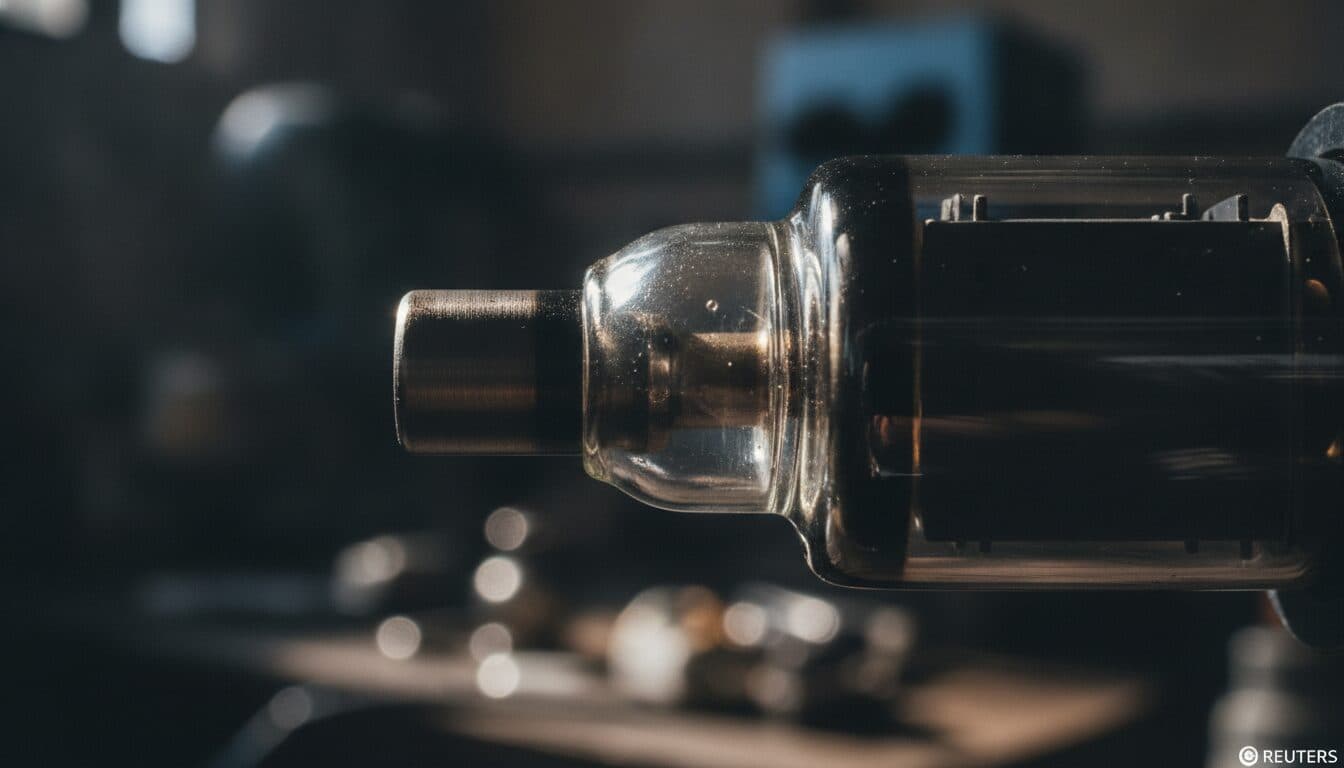
Metal-to-glass seal integrity is a critical challenge in a myriad of high-tech applications, from vacuum tubes to modern microelectronics, demanding precision and material science expertise. If you’ve ever taken a close look at a vacuum tube, you’ll have seen the seals around the pins that keep everything air-tight while providing the device’s electrical contacts. This seemingly simple interface conceals a complex engineering problem: creating a bond between two fundamentally different materials that can withstand extreme conditions.
The Intricacies of Material Compatibility
The core difficulty in forging a reliable metal-to-glass seal lies in the disparate physical properties of metals and glass. Metals typically have a higher coefficient of thermal expansion (CTE) than glass. This means that as temperatures fluctuate, metals expand and contract more significantly than glass. Without careful material selection and design, these differing expansion rates can lead to immense stress at the interface, causing cracks, leaks, or even complete seal failure.
Engineers often rely on intermediate materials or specific glass compositions, such as Kovar (an iron-nickel-cobalt alloy) or certain borosilicate glasses, whose CTEs more closely match. The process itself can involve high-temperature fusion, anodic bonding, or even specialized solders, each with its own set of advantages and limitations depending on the application’s specific requirements.
Applications Spanning Industries
The demand for robust metal-to-glass seals extends far beyond the historical vacuum tube. Modern applications include hermetically sealed sensors for medical devices, high-power laser components, advanced display technologies, and even critical components in aerospace and defense. Each sector presents unique environmental stressors, from extreme temperatures and pressures to corrosive chemicals, further complicating the sealing process.
“Achieving a perfect metal-to-glass interface is a delicate dance between material science, thermal dynamics, and precise manufacturing, directly impacting device longevity and reliability.”
Innovations in this field are constantly pushing the boundaries of what’s possible, enabling smaller, more durable, and more efficient devices. The ability to form a reliable metal-to-glass seal is often the linchpin for new technological advancements, underscoring its importance across diverse related Industries news.
Future Trends in Sealing Technology
As industries demand ever-increasing performance from their components, the challenges in creating an effective metal-to-glass seal intensify. Researchers are exploring novel approaches, including the use of nanomaterials to create more compliant interfaces, advanced laser-welding techniques for localized heating, and even additive manufacturing processes to create complex geometries that facilitate better stress distribution. The goal remains to achieve seals that are not only hermetic but also durable, cost-effective, and scalable for mass production.
Engineers Tackle Metal-to-Glass Seal Durability
The continuous drive for miniaturization and enhanced performance means that the stresses on these seals will only grow. Engineers are focusing on developing predictive models to simulate thermal and mechanical stresses, allowing for optimized designs before physical prototyping. This proactive approach helps mitigate potential failure points and accelerates the development cycle for new products requiring this critical interface. The quest for the perfect metal-to-glass seal remains a vibrant area of research and development, essential for the progression of countless technologies.
In conclusion, the problem of creating a reliable metal-to-glass seal, while often overlooked, is a fundamental engineering challenge with profound implications for technological progress. From the vacuum tubes of yesterday to the cutting-edge sensors of tomorrow, the integrity of this interface dictates the performance and lifespan of countless devices. Continued innovation in materials science and manufacturing processes will be key to overcoming these persistent hurdles and unlocking future advancements.