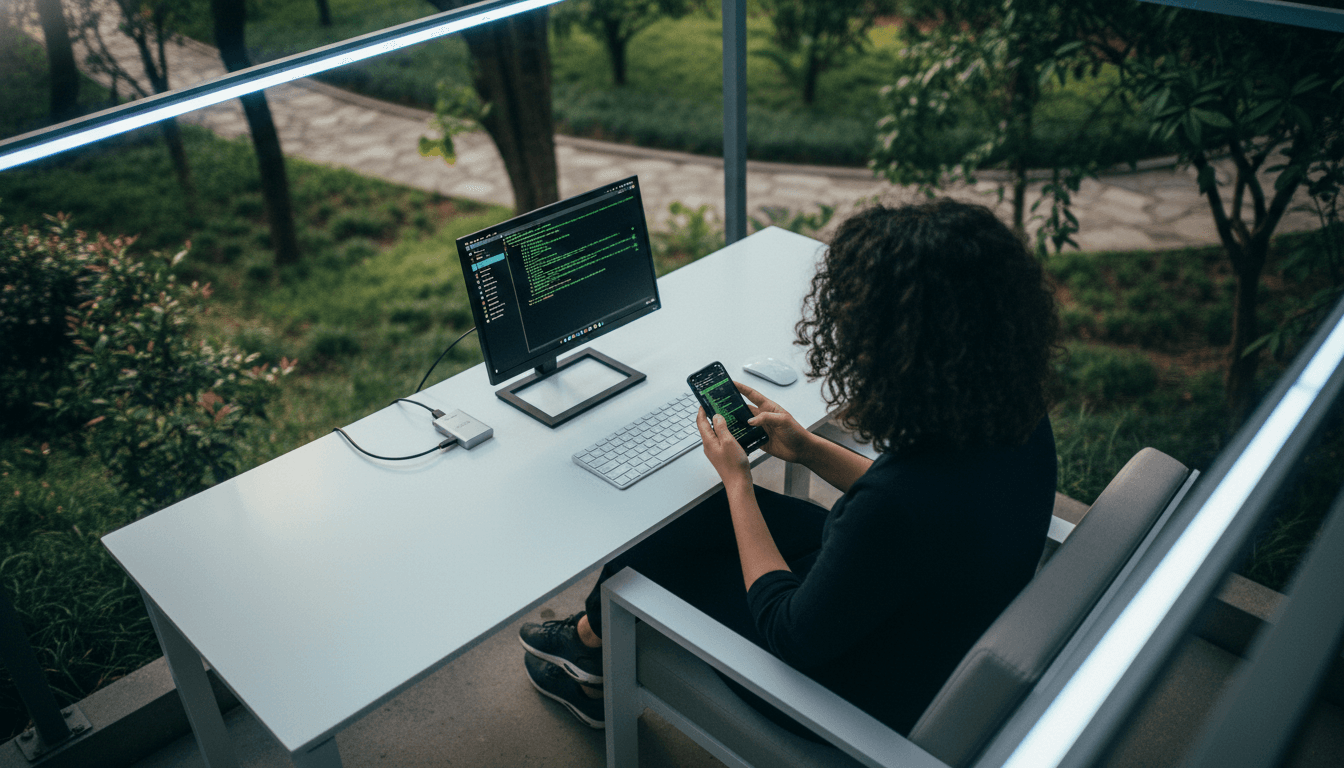
Linux on Android provides an inexpensive yet powerful computing solution, particularly relevant in regions where carrier-locked smartphones are sold significantly below market value. This practice, while debatable for consumer benefit, creates a unique opportunity for tech enthusiasts and budget-conscious users to acquire robust hardware for advanced mobile computing, as highlighted by a recent Hackaday report.
Gabriel Broussard Korr’s innovative approach leveraged a carrier-locked Moto G Power 2024, boasting 128 GB of storage and 12 GB of RAM, available for under $50. Instead of attempting a full mobile Linux distribution like postmarketOS, Korr opted for Termux, a terminal emulator that establishes a Linux environment directly within Android. This method offers a streamlined path to a full-fledged desktop experience on a mobile device.
Optimizing Android for a Seamless Linux Experience
Prior to installing Termux, Korr meticulously configured the phone’s settings to enhance the Linux experience. A critical step involved preventing automatic updates, which can disrupt these custom configurations. Since Android’s native settings lack effective update disabling options, Korr ingeniously used NetGuard to block internet access for the updater app and Google Play services, ensuring system stability for the Linux environment.
The installation process involved Termux, an X11 extension, and an API-exposing app for Termux. The XFCE desktop environment was then installed through Termux, with Korr developing a shell script to automate its startup. XFCE’s full-desktop zoom capability proved ideal for mobile interfaces, delivering a remarkably smooth user experience. Even with Linux running indirectly, resource-intensive applications like GIMP, Shotcut, and VS Code performed admirably, showcasing the device’s unexpected power.
“The ability to transform a sub-$50 carrier-locked phone into a capable Linux workstation opens up significant possibilities for accessible, powerful computing worldwide.”
The Future of Inexpensive, Powerful Computing on Mobile
This method of harnessing inexpensive Android hardware for powerful computing extends beyond Korr’s specific setup. Similar containerized Linux environments, such as Lindroid, are emerging, further solidifying the trend of mobile-Linux convergence. The potential for repurposing older smartphones into home servers using distributions like postmarketOS also underscores the growing versatility of these devices. As hardware continues to advance and software solutions become more refined, the accessibility of advanced computing through everyday smartphones is set to gain significant traction, offering a compelling alternative to traditional desktop setups.