The Green Powered Challenge, a recent initiative by Hackaday, has sparked significant innovation in sustainable technology, most notably with the ‘etyper’ – a low-power, distraction-free writing tool. Highlighted in an April 21, 2026, article on Hackaday, this project by maker [Quackieduckie] is an entry in the “2026 Green Powered Challenge” and aims to simplify the writing process by stripping away the complexities of modern computing environments.
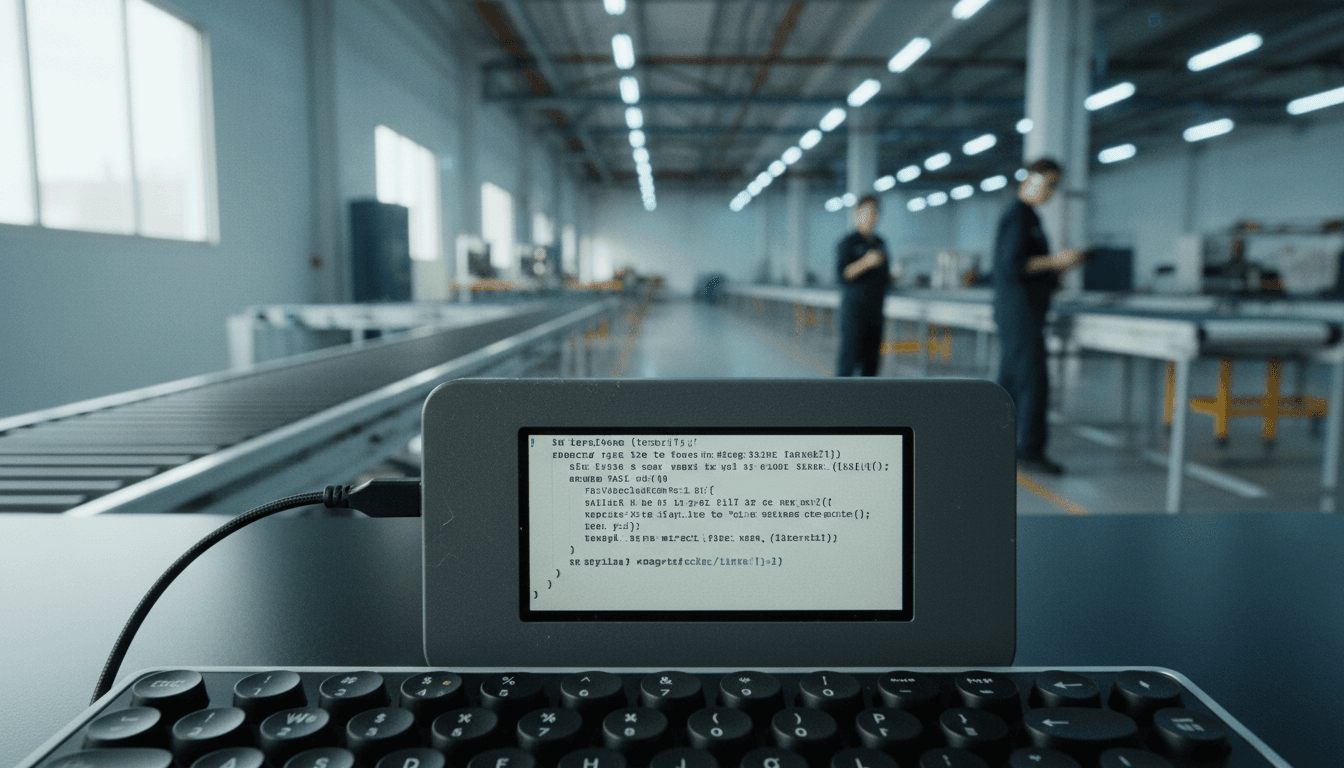
The ‘etyper’ distinguishes itself with an e-paper screen encased in a minimalist design. While many similar devices opt for microcontrollers like the ESP32, the ‘etyper’ leverages an Orange Pi Zero 2W, which Hackaday aptly describes as a “full-fat computer” in this context. It operates on an Armbian image with pre-configured software, with a Raspberry Pi port also in development. Input is handled via wired USB-C keyboards, and files can be conveniently retrieved via Bluetooth. The device’s architecture deliberately avoids a general framebuffer or drivers for broader computing tasks, ensuring a singularly focused writing experience.
“The ‘etyper’ embodies a critical shift towards purpose-built, sustainable technology, challenging the notion that more features always equate to better user experience.”
The 2026 Green Powered Challenge: A Beacon for Sustainability
The “2026 Green Powered Challenge,” hosted by Hackaday, is a significant platform encouraging participants to develop devices powered solely by energy harvested from their immediate environment. Launched on February 19, 2026, and concluding on April 24, 2026, the challenge offers $150 shopping sprees from sponsor DigiKey to the top three entries. Categories for honorable mentions include “Solar,” “Anything But PV” (for non-photovoltaic energy harvesting), “Least Power” (for energy-efficient designs), and “Most Power” (for projects that consume significant power while still running without batteries or cords). This initiative not only fosters innovation but also underscores the growing importance of energy independence and sustainable design in the tech sector.
Beyond the ‘etyper,’ another notable entry in the Green Powered Challenge is “The Eternal Headphones” by Alessandro Sgarzi. This ingenious device harvests energy from ambient city noise using piezoelectric film, powering noise-canceling electronics without the need for traditional batteries or external power sources. Such projects exemplify the creative potential unleashed by the challenge’s focus on environmental energy harvesting, pushing the boundaries of what’s possible in self-sustaining electronics. These innovations could have profound implications for related Industries news, particularly in consumer electronics and remote applications.
Designing for Focus: The ‘etyper’s’ Minimalist Approach
The ‘etyper’s’ design philosophy is a direct counterpoint to the feature bloat prevalent in modern devices. By intentionally limiting its capabilities to core writing functions, it creates an environment conducive to deep work and creativity. This deliberate minimalism, powered by a full-fat computer like the Orange Pi Zero 2W but constrained by specific software, offers a compelling alternative for writers seeking to minimize digital distractions. The focus on a dedicated writing experience, coupled with the sustainable power goals of the Green Powered Challenge, positions the ‘etyper’ as a thought-provoking innovation in personal productivity tools.
The “2026 Green Powered Challenge” is more than just a competition; it’s a testament to the ingenuity of makers striving for a more sustainable and focused technological future. Projects like the ‘etyper’ demonstrate that cutting-edge technology can be both powerful and minimalistic, providing valuable lessons for designers and consumers alike as we move towards greater environmental consciousness in product development.