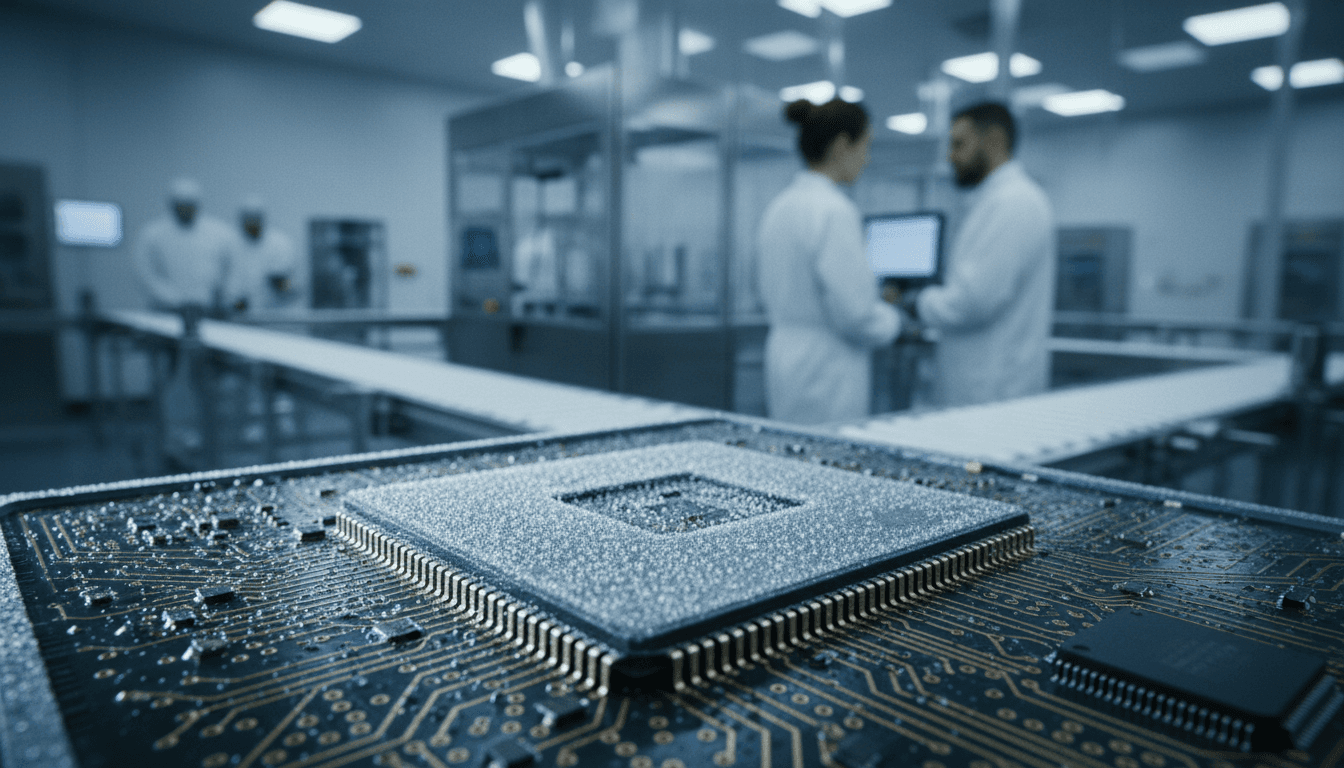
Electronics near zero temperatures present a unique and increasingly critical challenge for engineers and designers, compelling a radical rethinking of traditional thermal management strategies. Normally, when designing an electronic gadget, the primary concern revolves around heat dissipation and preventing components from overheating. Automotive-grade parts, for instance, are often specified with higher allowable operating temperatures than their commercial counterparts, reflecting the harsh thermal environments they endure. However, the burgeoning demand for electronics in extremely cold conditions, from deep space probes to Arctic exploration equipment and even advanced cryogenic computing, flips this design paradigm on its head.
The conventional wisdom of thermal management focuses on cooling, but in environments where ambient temperatures plummet to hundreds of degrees below zero, the challenge becomes ensuring components function reliably without freezing solid. Material properties change drastically at these extremes; semiconductors can cease to conduct, insulators can become brittle, and even the smallest mechanical stresses can lead to catastrophic failures. This shift necessitates a deep dive into cryo-electronics, a specialized field exploring how materials and circuits behave when exposed to temperatures approaching absolute zero.
Designing for Sub-Zero Performance
Engineers are now tasked with selecting components specifically rated for extreme cold or developing novel methods to protect conventional parts. This often involves insulating components to retain what little operational heat they generate, or in some cases, actively warming them to a minimum viable temperature. The power budget for such warming can be significant, especially in remote or energy-constrained applications, adding another layer of complexity to the design process. Furthermore, issues like thermal contraction and expansion become paramount, as different materials shrink at different rates, potentially leading to delamination or mechanical stress on solder joints and interconnections.
Consider the implications for space missions, where instruments must operate reliably for years in the vacuum of space, experiencing vast temperature fluctuations. Or for quantum computers, which require super-cooled environments to maintain qubit coherence. These applications push the boundaries of current electronic design, demanding innovative solutions in packaging, material science, and power management. The reliability of related Industries news hinges on overcoming these formidable thermal hurdles.
“The future of high-performance electronics increasingly depends on our ability to master extreme thermal environments, shifting focus from merely dissipating heat to precisely managing temperature across an unprecedented range.”
Material Science in Cryo-Electronics
The selection of materials is paramount when designing for extreme cold. Traditional silicon-based semiconductors can lose their conductive properties, necessitating research into alternative materials like gallium nitride or silicon carbide, which exhibit better performance at lower temperatures. Furthermore, the choice of solder, adhesives, and even the substrate material for printed circuit boards must be carefully evaluated for their behavior in cryogenic conditions. Brittle failures, micro-cracking, and changes in electrical resistance are all potential pitfalls that can compromise long-term operational integrity. The development of new alloys and composite materials specifically engineered for low-temperature resilience is a rapidly growing area of research.
The Economic Impact of Extreme Cold Electronics
The ability to reliably deploy electronics near zero has significant economic implications across various sectors. In the energy industry, sensors and control systems for Arctic oil and gas exploration require robust cold-weather performance. In defense, specialized equipment for polar operations demands electronics that can withstand the harshest environments. Moreover, the burgeoning field of quantum computing, with its reliance on super-cooled components, represents a multi-billion dollar industry where precise temperature control is not just an advantage but a fundamental requirement. As these applications grow, so too will the market for specialized components and design expertise capable of handling the unique challenges of extreme cold.
The journey from conventional thermal management to mastering electronics near zero marks a crucial evolutionary step in electronic engineering. It compels a holistic approach, integrating material science, advanced manufacturing, and sophisticated thermal modeling to ensure functionality where temperatures plummet far below everyday norms. This paradigm shift will unlock new frontiers in technology, enabling innovation in space exploration, medical devices, and next-generation computing, ultimately driving significant market growth and technological advancement.