3D-printed cryocooler technology is rapidly advancing, demonstrating that impressive cooling capabilities can be achieved without requiring specialized skills or exorbitant budgets. As highlighted by Hackaday on Sunday, June 7, 2026, the underlying principles of many cryocoolers are surprisingly accessible, paving the way for innovative, do-it-yourself (DIY) projects.
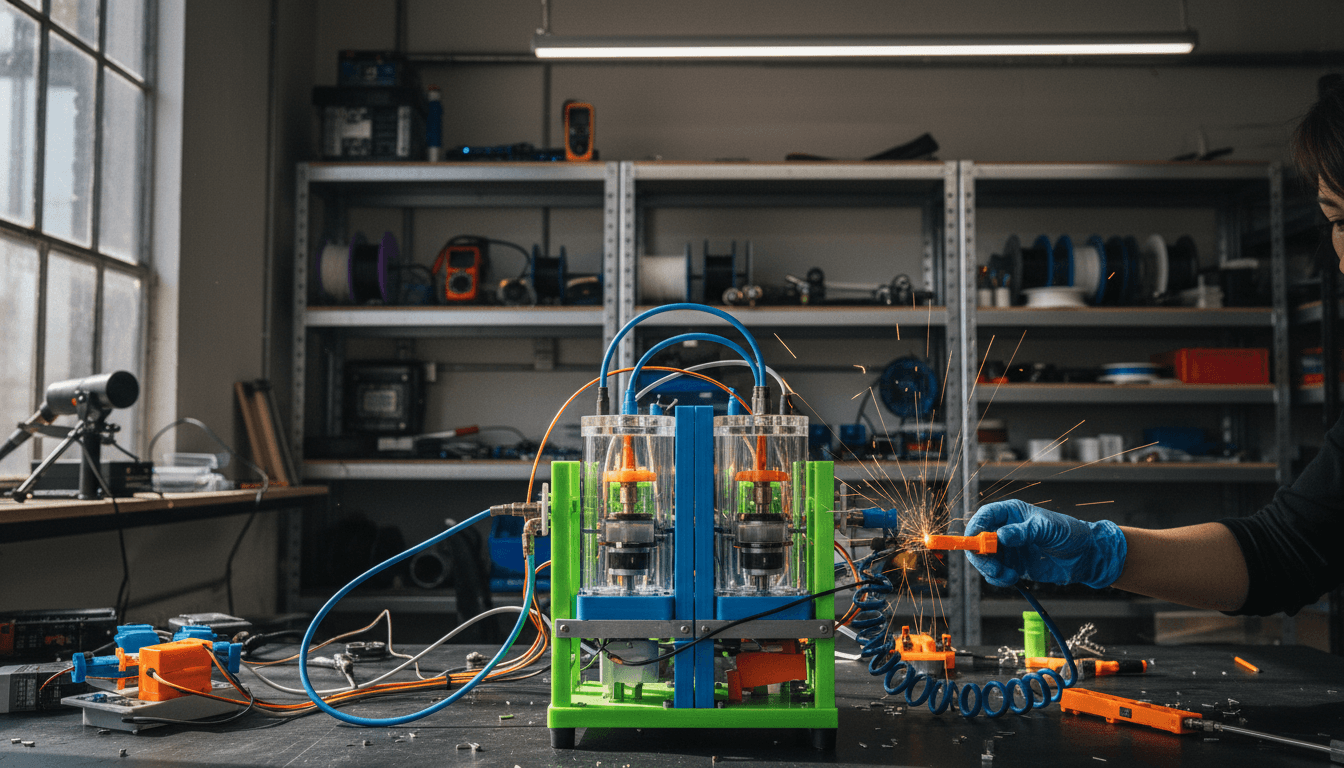
A prime example is the Gifford-McMahon cryocooler, which operates on a straightforward mechanism involving a coolant gas and a piston within a cylinder. Remarkably, these critical components can now be fabricated using 3D printing, as showcased by ‘Hyperspace Pirate’ in a recent video. This development democratizes access to advanced cooling technologies, moving them from specialized labs into the hands of enthusiasts and innovators.
The Mechanics of DIY Cryocooling
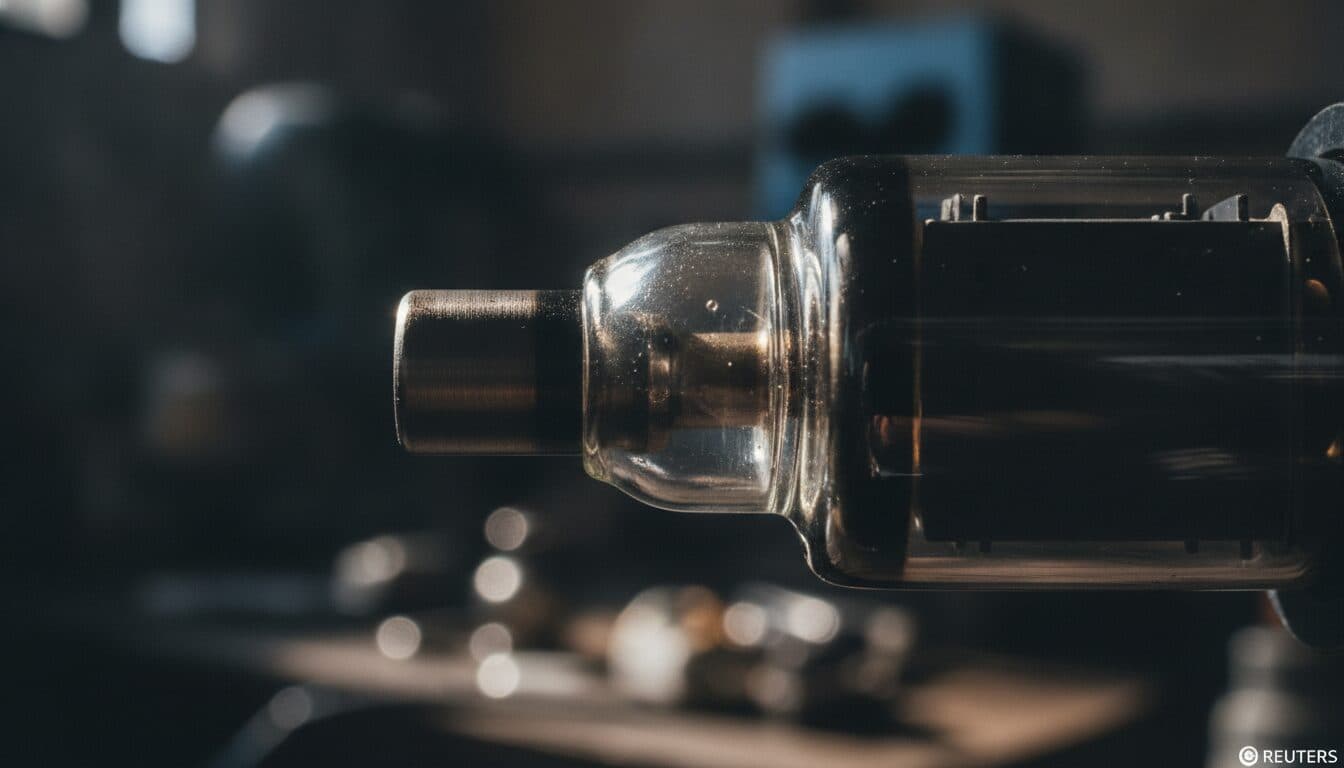
The Gifford-McMahon cryocooler’s effectiveness stems from its ability to move a regenerator-containing piston between two ends of a cylinder, creating distinct cool and hot sides. While the prototypes detailed by Hyperspace Pirate reached a lowest temperature of -84°C, this initial performance was primarily influenced by design choices aimed at visibility rather than optimal efficiency. The use of regular air as a coolant and a clear acrylic tube, though excellent for demonstrating the internal workings, introduced challenges such as ice formation that jammed the piston.
A clever solution for piston movement involved external magnets, which proved highly effective until compressed air from a shop compressor led to significant ice buildup. This anticipated issue underscores the importance of selecting appropriate working fluids. The next iteration of this 3D-printed cryocooler will utilize helium, a gas far less prone to freezing under similar conditions, promising substantially lower temperatures and improved operational stability.
“The accessibility of 3D printing is transforming complex engineering challenges into achievable DIY projects, making advanced cooling technology more widespread.”
Advancing Industrial Applications with Accessible Technology
The implications of accessible cryocooler technology extend beyond hobbyist projects. Industries reliant on low-temperature environments, such as medical research, electronics manufacturing, and even space exploration, could benefit from more cost-effective and customizable cooling solutions. The ability to rapidly prototype and iterate designs using 3D printing significantly reduces development cycles and costs, fostering innovation at an accelerated pace.
This innovative approach to building a 3D-printed cryocooler highlights a growing trend in various sectors. From rapid prototyping to customized tooling, 3D printing is enabling unprecedented flexibility and efficiency. Companies looking to integrate advanced manufacturing techniques into their operations should explore these developments to stay competitive in a rapidly evolving industrial landscape. Discover more about how these trends are shaping the future of related Industries news.
The journey from a proof-of-concept with regular air to a high-performance system using helium exemplifies the iterative nature of engineering and the power of open-source innovation. As materials and printing techniques continue to evolve, the potential for 3D-printed devices to revolutionize various industrial applications, including advanced cooling systems, is immense. This pioneering work with a 3D-printed cryocooler underscores a future where sophisticated technology is within reach for a broader community of innovators.