The 2026 Green Powered Challenge, an initiative captivating industries worldwide, directly addresses a critical hurdle facing solar power installations: storing sufficient energy for high-intensity operations like cooking. Traditionally, the high-tech and expensive solution involves elaborate battery banks and inverters. However, the latest advancements emerging from the challenge are poised to democratize access to renewable energy for everyday use.
Overcoming the Energy Storage Hurdle
One of the primary problems facing any solar power installation comes in storing enough power for high-intensity operations such as cooking. The conventional high-tech and expensive way involves large battery banks and inverters. These systems, while effective, often represent a significant barrier to entry for many communities and individual households seeking to transition to green energy. The need for more accessible and affordable solutions has never been more pressing, especially as global demand for sustainable living grows.
“The future of sustainable living hinges on innovative, accessible energy solutions that empower individuals and communities to harness renewable power for daily needs, including cooking.”
The 2026 Green Powered Challenge has spurred a wave of ingenious solutions, moving beyond complex electrical systems. Participants are exploring alternative methods of thermal energy storage, which can hold heat generated by the sun for extended periods. This approach avoids the inefficiencies and costs associated with converting solar energy to electricity, storing it in batteries, and then converting it back to heat for cooking.
The Rise of Passive Solar Cooking Technologies
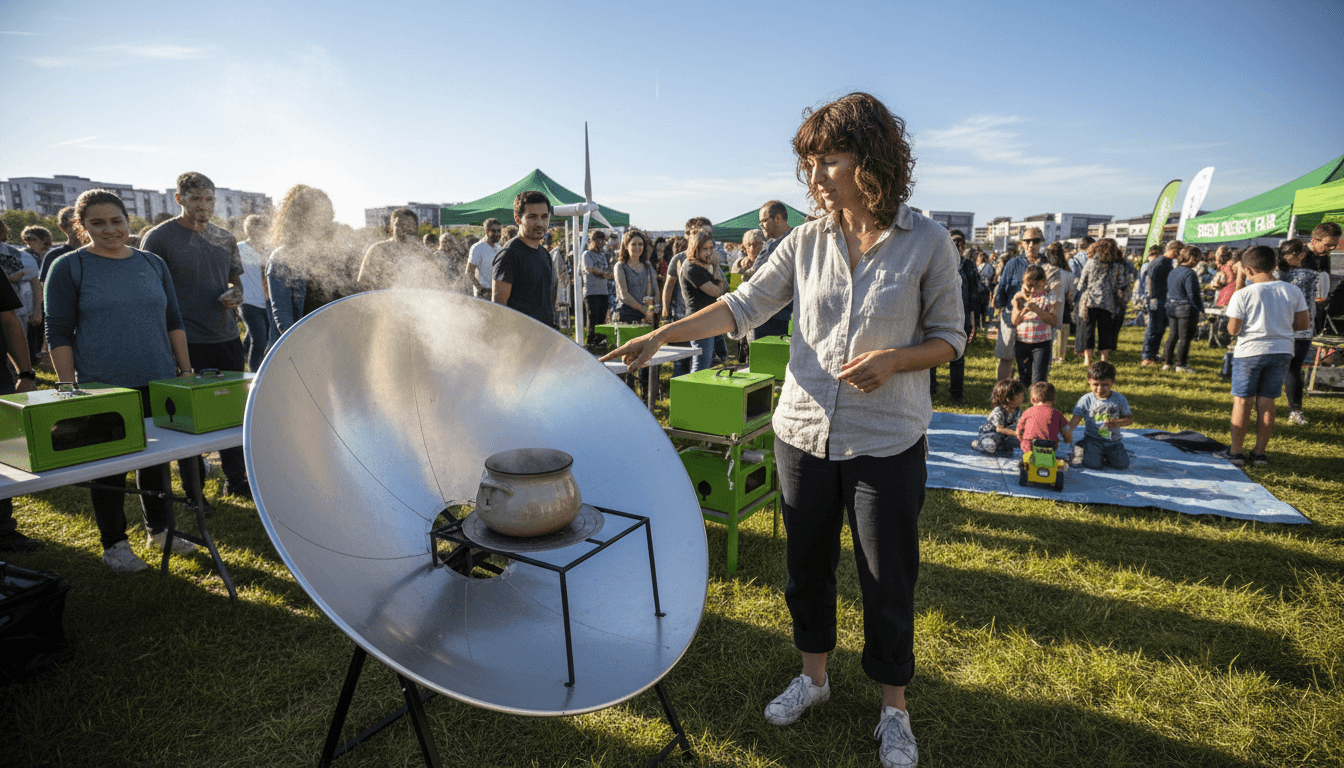
New designs are focusing on passive solar cooking technologies that capture and concentrate the sun’s rays directly onto cooking vessels. These designs range from advanced parabolic reflectors to insulated solar ovens that can reach high temperatures and maintain them for hours. Such innovations significantly reduce the reliance on expensive battery systems, making solar cooking a more viable option for a wider demographic. The simplicity and robustness of these new devices are key to their potential widespread adoption, particularly in regions with abundant sunshine but limited access to reliable electricity grids. This shift towards more direct energy utilization marks a significant step forward in making sustainable energy practical and affordable for everyone.
The ongoing development within the 2026 Green Powered Challenge also emphasizes modular and scalable solutions. This means that individuals or communities can start with basic solar cooking units and expand their capabilities as needed, without requiring a complete overhaul of their existing setup. This flexibility is crucial for fostering long-term sustainability and encouraging continuous innovation in the renewable energy sector. We anticipate these technologies will rapidly integrate into related Industries news as they mature.
2026 Green Powered Challenge: Cook With The Sun!
The call to Cook With The Sun! is more than just a slogan; it’s a testament to the practical applications emerging from the 2026 Green Powered Challenge. These innovations offer a compelling alternative to traditional energy sources for cooking, promising reduced carbon footprints and increased energy independence. As the challenge progresses, we expect to see even more breakthroughs that solidify solar cooking as a mainstream and indispensable part of a sustainable future.
The collective effort within the challenge highlights a growing global commitment to addressing energy poverty and promoting environmental stewardship. By focusing on practical, user-friendly solutions for everyday tasks like cooking, the initiative is setting a new standard for how renewable energy can be integrated into daily life, offering a truly transformative impact on communities worldwide.