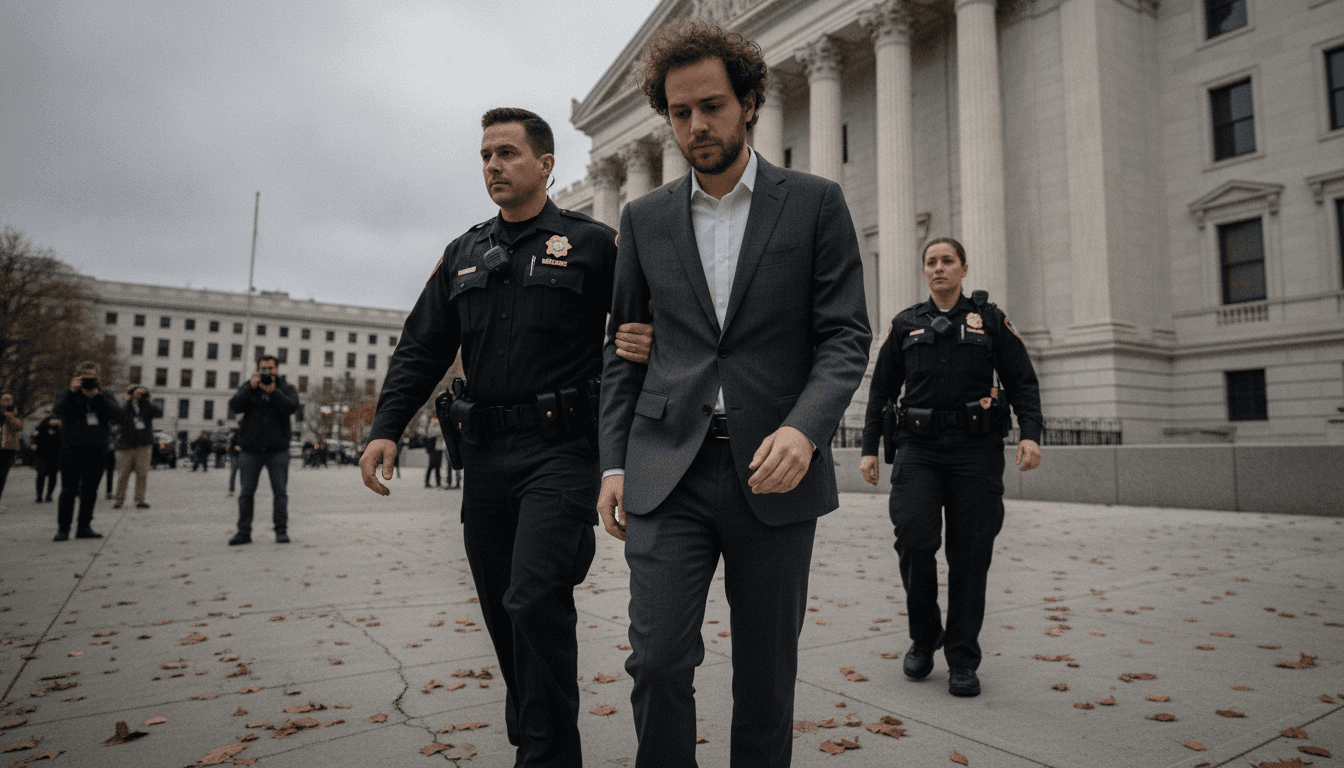
A San Antonio bookkeeper, Daniella Zuniga Vasquez, was sentenced this week to more than four years in federal prison for wire fraud, bringing a partial close to a complex case of embezzlement that saw her siphon over $750,000 from two unsuspecting employers. The 53-year-old’s conviction highlights the insidious nature of internal financial crimes, where trust is weaponized for personal enrichment, leaving businesses reeling and confidence shattered.
The Architect of Deception
Daniella Zuniga Vasquez, at 49 years old when first arrested in October 2022, operated her schemes across two San Antonio-based companies between May 2021 and September 2022. Initially, Shavano Park police apprehended her for allegedly stealing more than $185,000 from a homebuilder where she was employed as a bookkeeper. This initial charge, involving money laundering and misapplication of fiduciary property, set the stage for a broader federal investigation that would uncover the true scale of her financial malfeasance.
The modus operandi of Vasquez’s wire fraud scheme involved systematically diverting company funds for her lavish personal use. Investigators from the Department of Justice and the FBI meticulously pieced together how she leveraged her position of trust to embezzle a staggering $759,235.74 from both companies combined. This wasn’t a one-off theft but a pattern of sustained financial abuse, meticulously concealed within the daily operations of the businesses she was paid to manage.
A Lavish Lifestyle Built on Stolen Funds
The human toll of such fraud extends beyond mere financial loss; it erodes the very foundation of trust essential for business operations. While the specific identities of the victim companies remain undisclosed in the public record, the impact on their financial stability and employee morale would have been profound. These businesses, likely small to medium-sized enterprises given the bookkeeper’s role, would have faced significant disruption, potential layoffs, and a lengthy, costly recovery process.
Adding insult to injury, Vasquez brazenly flaunted her ill-gotten gains on social media. Law enforcement shared posts revealing a lifestyle funded by embezzlement, including attending NFL games, concerts, and purchasing vehicles. “Had a blast with my familia!!!” she captioned a Facebook post tagging her husband, Thomas Vasquez, alongside over 20 photos from a 2022 Dallas Cowboys home game. Bank statements later confirmed she spent “thousands of dollars on tickets and hotel rooms” using embezzled funds. In another post, she showcased a new pickup truck, writing, “Got tired of asking people with trucks to pick up something… so we got a truck.” DOJ records indicated an “$8,000 down payment” for this vehicle, made in the same week she splurged on jewelry and an “upscale spa.” This public display of wealth, directly linked to the stolen funds, underscores the audacity of her crimes and the deep betrayal felt by her employers.
How the San Antonio Wire Fraud Unraveled
The initial arrest by Shavano Park police in October 2022 for the homebuilder embezzlement was the first crack in Vasquez’s carefully constructed facade. Nine months later, the Department of Justice confirmed that FBI agents interviewed Vasquez regarding embezzlement accusations at the second company, signaling the widening scope of the investigation. This collaboration between local and federal authorities was crucial in uncovering the full extent of the San Antonio wire fraud. The FBI, working alongside the Shavano Park Police Department, methodically gathered evidence, including bank statements and Vasquez’s own social media posts, to build an irrefutable case.
Vasquez was ultimately indicted on four federal counts of wire fraud. Facing overwhelming evidence, she pleaded guilty to one of those counts in August 2025. This plea was a critical turning point, leading to her recent sentencing. Acting Special Agent in Charge of the FBI San Antonio Field Office, Alex Doran, emphasized the gravity of her actions:
“The FBI worked closely with the Shavano Park Police Department to hold Vasquez accountable as she abused a position of trust by misusing corporate funds for self-enrichment and greed. She used stolen funds to support a lavish lifestyle while flaunting the proceeds of her fraud on social media. The FBI has zero tolerance for fraud and the abuse of trust for personal gain. These crimes cause significant financial harm to businesses and erode public trust.”
Consequences and Lingering Questions
Daniella Zuniga Vasquez’s sentence of more than four years in federal prison marks a significant victory for law enforcement and a measure of justice for her victims. While the federal case is resolved, court records indicate she is still “awaiting indictment” on the state charges of money laundering and misapplication of fiduciary property, indicating potential further legal proceedings. The recovery of the embezzled funds, totaling over $750,000, will likely be pursued through restitution orders, though the full recoupment of such large sums can often be a protracted and challenging process for victims. For more on similar cases, readers can explore related fraud investigations.
This case serves as a stark reminder of the vulnerabilities businesses face from internal threats. To mitigate the risk of such extensive San Antonio wire fraud, companies must implement robust internal controls, including segregation of duties, regular independent audits, and vigilant oversight of financial transactions. Employers should look for red flags such as employees resisting taking vacations, excessive control over financial records, or a sudden, unexplained change in lifestyle. Trust is essential in business, but it must always be balanced with accountability and rigorous financial scrutiny to prevent such devastating betrayals.