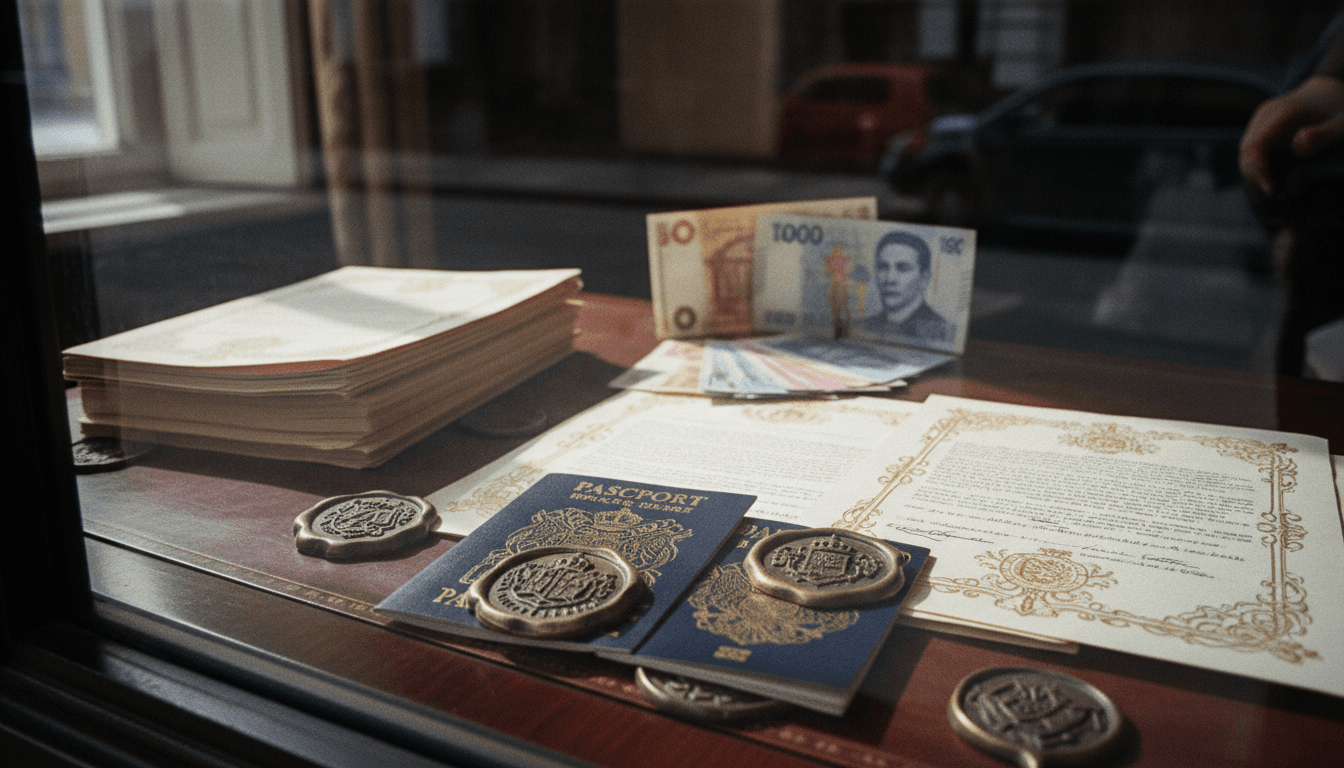
US brothers were sentenced over a staggering $21 million fraud built on fake royal identities, a sophisticated scheme that preyed on unsuspecting investors for years. The colossal sum represents the direct financial impact on victims who believed they were investing in legitimate ventures backed by global royalty, only to discover a meticulously constructed web of deceit.
The Architects of Deception
The fraud centered around two brothers who crafted elaborate personas, purporting to be members of various royal families and international dignitaries. They leveraged these fabricated identities to solicit investments, promising extraordinary returns from a variety of ventures, including commodity trading, real estate, and technology startups. The brothers meticulously maintained their charade, using forged documents, sophisticated communication tactics, and even staging meetings to lend credibility to their false claims. Their operations were not confined to a single location, suggesting a broad reach designed to ensnare a diverse pool of victims globally. This elaborate royal identity fraud highlights the increasing sophistication of financial criminals.
How the Scheme Worked
The modus operandi was deceptively simple yet highly effective. The brothers would approach potential investors, often through intermediaries or by infiltrating high-net-worth social circles. They would present themselves with impeccable credentials, often backed by seemingly legitimate but ultimately fake documentation and carefully curated online presences. Their pitches revolved around exclusive, high-yield investment opportunities accessible only through their royal connections. Funds collected from victims were not invested as promised but were instead siphoned off for personal enrichment, funding lavish lifestyles that further perpetuated the illusion of wealth and success. The victims, convinced by the brothers’ seemingly unassailable status and the promise of lucrative returns, often invested significant portions of their savings, sometimes even their life’s work. The facade of royal identity fraud proved incredibly persuasive.
“The sheer audacity of creating and maintaining such complex fake royal identities underscores a deep understanding of human psychology and the allure of exclusivity,” noted a financial crime analyst.
The Devastation of Deception
The victims of this royal identity fraud spanned a wide demographic, from individuals looking to secure their retirement to businesses seeking expansion capital. They were united by a common thread: trust in what appeared to be an unparalleled opportunity. The deception went beyond financial loss; many victims reported profound emotional distress, feelings of betrayal, and severe psychological impact. The erosion of trust in financial institutions and investment opportunities is a common side effect of such elaborate schemes. Families were fractured, businesses collapsed, and personal fortunes vanished, leaving behind a trail of ruin and despair.
Unraveling the Royal Identity Fraud
The elaborate scheme began to unravel as discrepancies emerged and promised returns failed to materialize. Dissatisfied investors started to raise alarms, sharing their experiences and suspicions, which eventually caught the attention of law enforcement agencies. A multi-agency investigation was launched, meticulously tracing financial transactions, analyzing communication records, and verifying the identities presented by the brothers. Evidence uncovered included forged passports, fabricated bank statements, and a network of shell companies designed to obscure the true flow of funds. The investigation culminated in the conclusive proof that the royal identities were entirely fictional, leading to the brothers’ apprehension.
Consequences and Closure
Following their arrests, the brothers faced numerous charges related to wire fraud, conspiracy to commit fraud, and money laundering. On Thursday, May 7, 2026, they were sentenced in a US court. While the exact details of their sentences, including specific prison terms and fines, were not immediately disclosed in full, the court proceedings aimed to deliver justice for the victims and deter similar future offenses. Efforts to recover the stolen assets are ongoing, though the complex nature of the fraud often makes full restitution challenging. The sentencing marks a significant step towards closure for the victims, even as the financial and emotional scars remain.
This case serves as a stark reminder of the sophisticated tactics employed by fraudsters. The allure of high returns and exclusive opportunities, especially when presented by seemingly powerful or influential individuals, can often mask underlying deception. Investors should always conduct thorough due diligence, independently verify credentials, and be wary of any investment promising returns that seem too good to be true. Scrutinizing the legitimacy of claims and seeking advice from trusted financial professionals can be critical in safeguarding against elaborate schemes like this royal identity fraud.