A Texas traffic stop unveiled a sophisticated passport scam kingpin operation that ultimately defrauded victims of an astonishing $8 million, a scheme meticulously detailed in recent court proceedings. This intricate fraud, which promised expedited and legitimate U.S. passports, instead delivered a web of deceit, leaving a trail of financial devastation and shattered hopes across the nation.
The Architect of Deception
At the heart of this elaborate fraud was a single individual, whose identity and methods have now been brought to light. The mastermind behind the $8 million passport scam meticulously constructed a facade of legitimacy, drawing in unsuspecting individuals desperate for official travel documents. The scheme revolved around promises of rapid passport acquisition, leveraging what appeared to be insider connections and expedited processing channels. Victims, often in urgent need of passports for travel, work, or family matters, were convinced to pay substantial fees, believing they were securing a legitimate and swift service.
The modus operandi was simple yet effective: individuals would contact the perpetrator, often through word-of-mouth or online advertisements, seeking assistance with passport applications. They were then instructed to provide personal information and significant upfront payments, typically wired or transferred, under the guise of processing fees and expedited service charges. What they received in return, however, was either nothing at all, or documents that were entirely fraudulent or never materialized. The fraudster exploited the inherent trust individuals place in official processes and the urgency many feel when dealing with travel documents, preying on their vulnerability.
The Human Cost of Deceit
The victims of this brazen operation spanned various demographics, all united by their desperate need for a U.S. passport and their tragic encounter with the fraudulent service. Many were individuals facing critical deadlines for international travel, employment opportunities abroad, or urgent family matters requiring foreign travel. They were deceived by the professional presentation and the convincing assurances offered by the scammer, believing they were engaging with a legitimate service provider. The financial impact was severe, with individuals losing thousands of dollars each, often their life savings or funds borrowed under duress. Beyond the monetary loss, the human cost included missed opportunities, canceled trips, and immense emotional distress, as their dreams and plans were shattered.
“The emotional toll on victims of passport fraud is immense. It’s not just about the money; it’s about missed opportunities, broken trust, and the feeling of being utterly exploited during a vulnerable time,”
said one investigator close to the case. The psychological impact of realizing they had been duped, coupled with the loss of irreplaceable funds, left many victims in dire financial and emotional straits. For some, the repercussions extended to legal complications and delays in their ability to secure legitimate travel documents in the future, further exacerbating their ordeal. This passport scam kingpin left a wide swath of destruction.
How the Passport Scam Unraveled
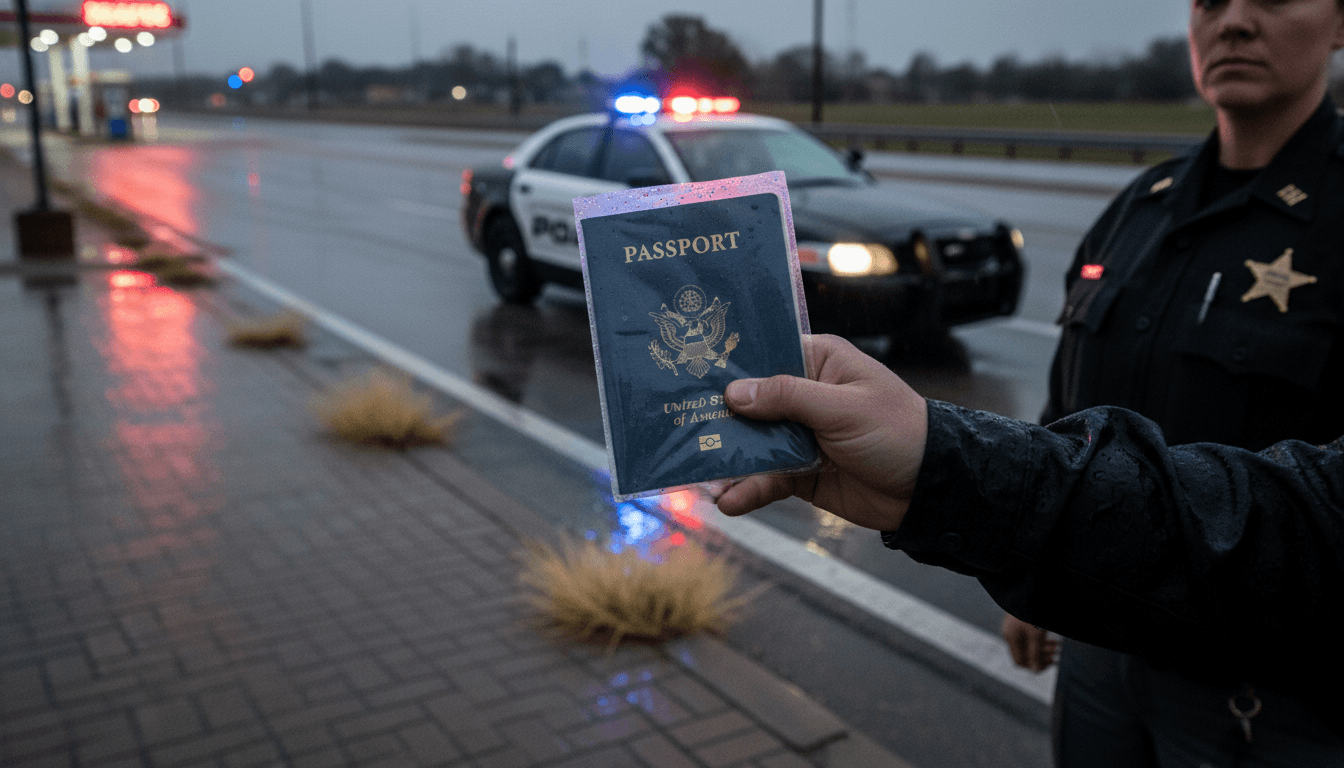
The elaborate fraud began to unravel not through a complex financial audit or a coordinated sting operation, but through a routine traffic stop in Texas. The specific details of the stop, including the date and location, remain under wraps as part of ongoing investigative procedures, but it was during this seemingly innocuous encounter that law enforcement discovered anomalies that piqued their suspicion. Further investigation by authorities revealed evidence linking the individual to a larger pattern of fraudulent activity, specifically related to passport applications. The discovery during the traffic stop served as the critical turning point, providing the initial thread that investigators meticulously followed.
Subsequent investigations involved multiple law enforcement agencies, including federal authorities, who began piecing together the scope of the operation. Evidence included financial records, communication logs, and testimony from numerous victims who had previously reported suspicious activity but lacked the consolidated information to trigger a large-scale investigation. The trail of digital breadcrumbs and financial transactions ultimately led investigators to the full extent of the $8 million passport scam, revealing the intricate network of deception and the vast number of victims.
Consequences and Lessons Learned
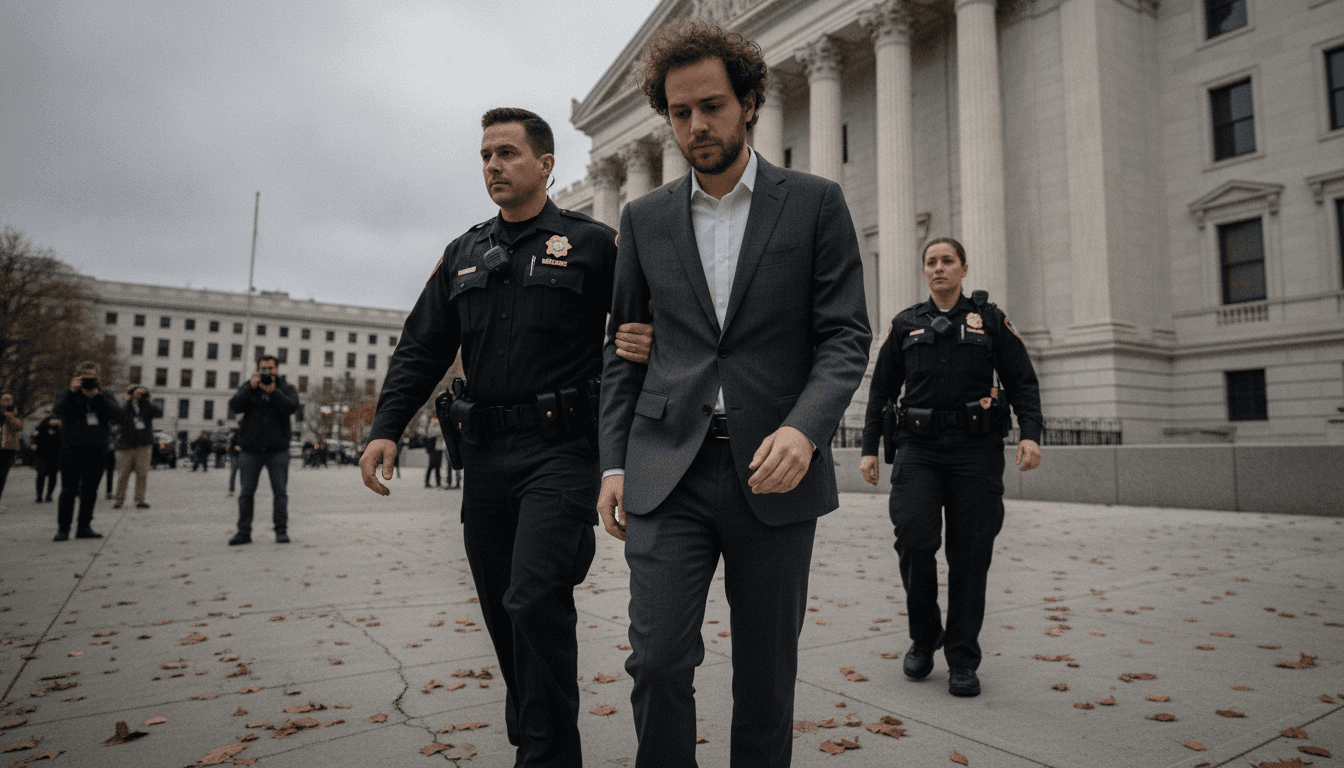
Following a comprehensive investigation, the individual identified as the passport scam kingpin was arrested and subsequently faced a litany of charges, including wire fraud, mail fraud, and identity theft. While specific sentencing details and the exact amount of fines and asset recovery are still being finalized, the perpetrator has been convicted and sentenced to a substantial prison term, reflecting the severity and scale of the criminal enterprise. The legal proceedings served as a stark reminder of the serious consequences awaiting those who engage in such sophisticated financial crimes.
This case offers crucial lessons for the public and financial institutions alike. Red flags to watch for include demands for unusually high fees for expedited services, requests for payment through unconventional methods (e.g., wire transfers to personal accounts, cryptocurrency), and promises that seem too good to be true, especially regarding the speed of official document processing. Always verify the legitimacy of any service provider through official government channels and be wary of unsolicited offers. Individuals should always apply for passports directly through official government websites or authorized agencies. The case of the Texas traffic stop that exposed an $8 million passport scam kingpin underscores the pervasive threat of financial fraud and the critical importance of vigilance in protecting personal finances and identities.