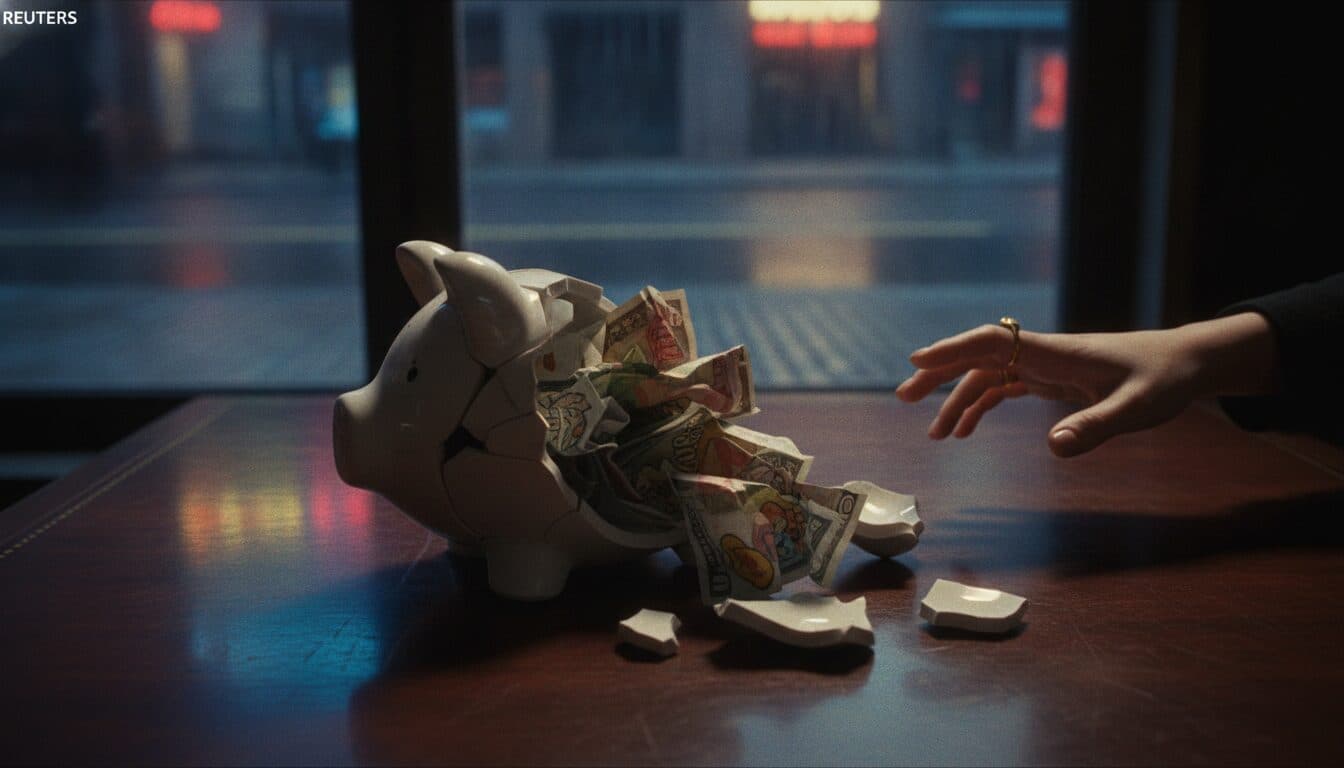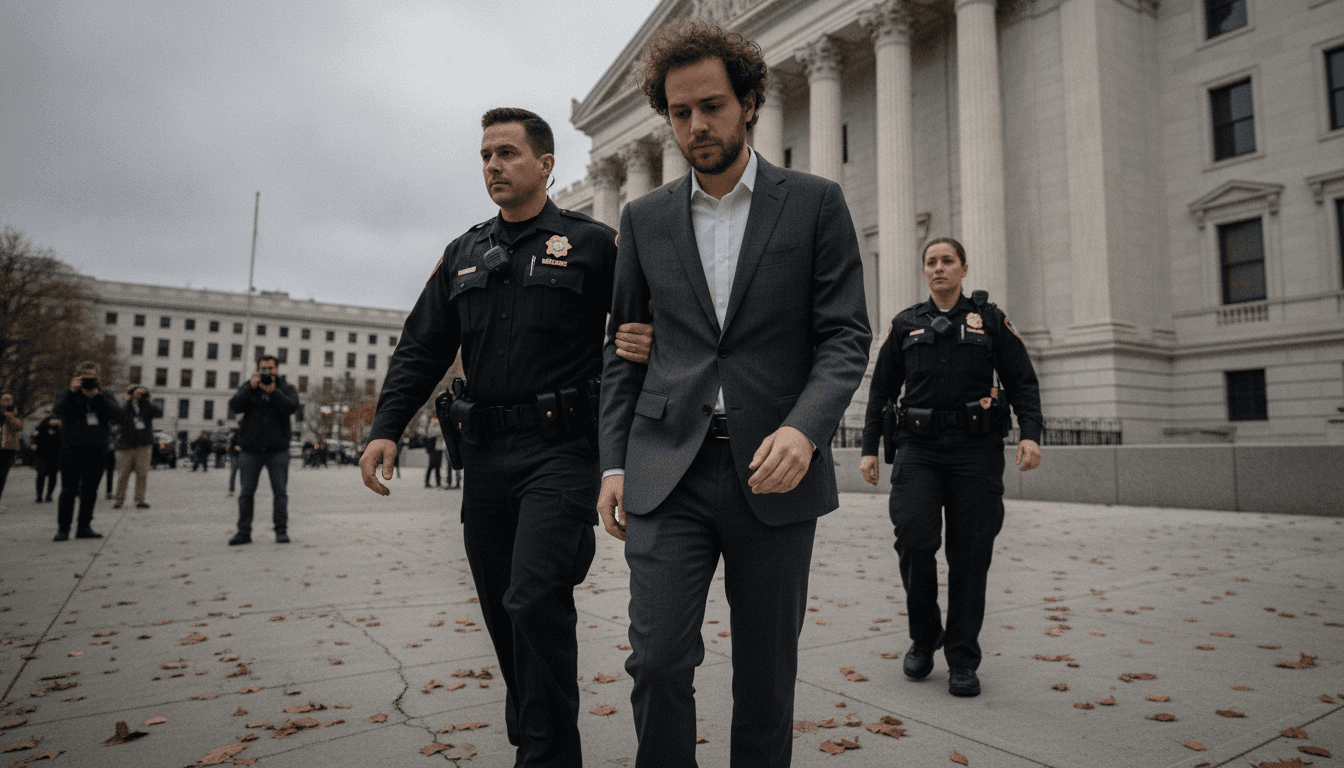
The long-awaited OneCoin compensation marks a pivotal moment in one of the largest cryptocurrency frauds in history, a staggering $4 billion scheme that ensnared millions of victims globally. For years, the promise of a digital currency revolution morphed into a nightmare for those who invested their life savings, lured by the charismatic facade of a sophisticated financial product that was, in reality, nothing more than a meticulously crafted pyramid scheme.
The Architect of Deception
At the heart of the OneCoin fraud was Ruja Ignatova, famously dubbed the ‘Cryptoqueen.’ Alongside her brother, Konstantin Ignatov, Ignatova spearheaded the operation, presenting OneCoin not just as a cryptocurrency, but as a groundbreaking investment opportunity poised to eclipse Bitcoin. The scheme, launched in 2014, aggressively marketed OneCoin through a multi-level marketing (MLM) structure, incentivizing early investors to recruit new members in exchange for commissions. This model, characteristic of pyramid schemes, relied on a constant influx of new money to pay off earlier investors, rather than any genuine underlying asset or technological innovation.
What made OneCoin particularly insidious was its sophisticated marketing apparatus. Lavish events were held worldwide, featuring Ignatova delivering compelling speeches about the future of finance. The company created a veneer of legitimacy, complete with corporate offices and a global network of ‘independent marketing associates.’ However, unlike legitimate cryptocurrencies, OneCoin lacked a verifiable blockchain. Its ‘mining’ process was entirely centralized and controlled by the company, giving it complete dominion over the supposed digital asset and its valuation – or lack thereof.
The Human Cost of Deception
The victims of the OneCoin fraud spanned continents and demographics, from sophisticated investors to individuals in developing countries who poured their meager savings into the dream of financial freedom. They were deceived by the allure of rapid returns and the perceived exclusivity of a ‘next-generation’ cryptocurrency. Many took out loans, mortgaged homes, or invested their retirement funds, only to watch their supposed assets vanish as the scheme inevitably collapsed. The emotional and financial toll was immense, leaving countless individuals and families in ruin. The initial hype, fueled by relentless promotion and testimonials, obscured the fundamental red flags that financial experts now highlight.
“The OneCoin fraud serves as a stark reminder that the most elaborate schemes often prey on trust and the promise of quick wealth, leaving a trail of devastating human impact in their wake.”
How the OneCoin Compensation Unraveled
The unraveling of the OneCoin fraud was a gradual process, driven by persistent investigative journalism, whistleblowers, and ultimately, law enforcement agencies across multiple jurisdictions. Doubts about OneCoin’s legitimacy began to surface as financial regulators in various countries issued warnings and initiated investigations. The absence of a real blockchain, the lack of transparency, and the reliance on an MLM structure were increasingly scrutinized. The US Department of Justice (DOJ) played a crucial role in bringing the perpetrators to justice, meticulously gathering evidence of wire fraud, securities fraud, and money laundering.
In 2017, Ruja Ignatova disappeared, just as authorities began closing in, becoming one of the most wanted fugitives in the world. Her brother, Konstantin Ignatov, was arrested in 2019 and subsequently pleaded guilty to multiple charges, providing critical testimony against other co-conspirators. The investigations revealed the intricate web of shell companies and financial instruments used to launder the billions stolen from victims, stretching across the globe.
Consequences and Asset Recovery
The announcement on Tuesday, April 14, 2026, by the US DOJ regarding OneCoin compensation represents a significant milestone in delivering justice. While the full scope of asset recovery and the total amount disbursed to victims are still being processed, the commitment to restitution signifies a victory for those who lost so much. Several individuals involved in the OneCoin scheme have faced arrests, charges, and convictions, including Konstantin Ignatov, who received a prison sentence. Fines have been levied, and efforts to seize assets connected to the fraud continue globally, aiming to return as much as possible to the defrauded investors. The pursuit of Ruja Ignatova remains active, a testament to the ongoing commitment to hold all responsible parties accountable.
Lessons and Red Flags
The OneCoin saga offers invaluable lessons for potential investors in the evolving digital asset landscape. Prospective investors should be wary of schemes promising guaranteed high returns with little to no risk. Key red flags include a lack of transparency regarding technology (especially the absence of a verifiable blockchain for cryptocurrencies), an aggressive multi-level marketing structure, pressure to recruit new members, and a reliance on charismatic leaders rather than proven fundamentals. Always conduct thorough due diligence, consult independent financial advisors, and verify claims with reputable sources before committing funds. The promise of easy money often masks a sophisticated scam designed to steal your hard-earned savings. The delivery of OneCoin compensation, while welcome, underscores the devastating consequences of ignoring these crucial warning signs.