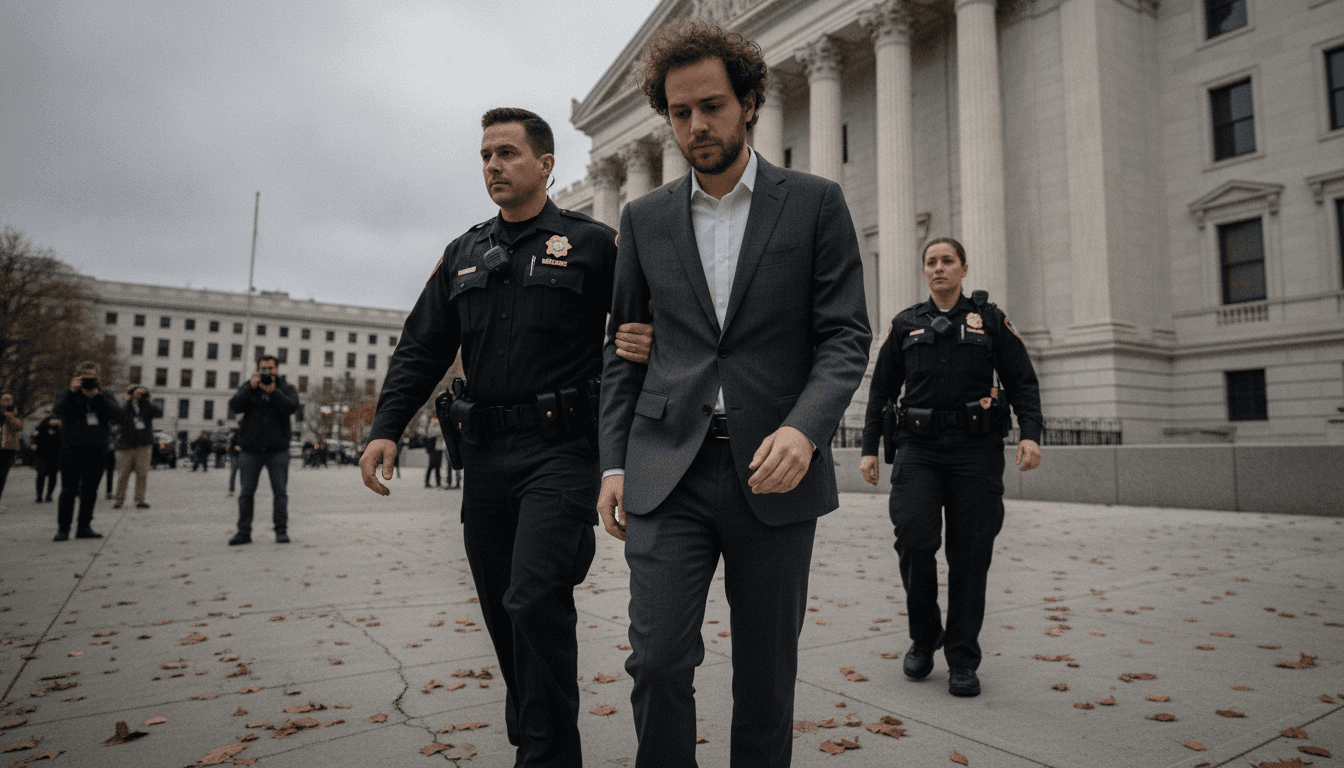
A New York business owner was sentenced in a healthcare fraud laundering case, marking a significant victory against financial malfeasance that siphoned untold sums from the healthcare system. The May 19, 2026, sentencing concludes a complex investigation into a scheme that leveraged illicit gains to fund a lavish lifestyle while undermining the integrity of medical services.
The Architect of Deception
While the specific name of the New York business owner was not disclosed in the immediate reports, the core of the fraud involved an individual who exploited vulnerabilities within the healthcare billing and payment infrastructure. This individual, operating under the guise of legitimate business operations, orchestrated a sophisticated money laundering operation designed to obscure the origins of ill-gotten funds. The scheme wasn’t just about stealing; it was about systematically cleaning the money to make it appear legitimate, thereby perpetuating a cycle of fraud.
The modus operandi involved submitting fraudulent claims to healthcare providers, often for services that were never rendered or were medically unnecessary. Once these claims were paid, the funds were funneled through various accounts and shell companies, a classic tactic in money laundering. This intricate web of transactions made it incredibly difficult to trace the money back to its original criminal source, allowing the perpetrator to evade detection for a considerable period. The scale of the operation suggests a meticulous planner with a deep understanding of financial systems and a willingness to exploit them for personal gain.
“The sophistication of these laundering schemes often makes them incredibly difficult to unravel, requiring extensive forensic accounting and inter-agency cooperation,” noted a financial crime expert familiar with such cases.
How the Healthcare Fraud Laundering Case Unraveled
The unraveling of this extensive healthcare fraud laundering case was the result of diligent investigative work. While the specific trigger for the investigation was not detailed, such cases often begin with anomalies flagged by financial institutions, whistleblowers, or data analytics detecting unusual billing patterns. Federal investigators, likely from agencies such as the FBI, IRS Criminal Investigation, and the Department of Health and Human Services Office of Inspector General, would have collaborated to piece together the financial puzzle. Evidence would have included extensive bank records, corporate filings for shell companies, and potentially intercepted communications or witness testimonies. The complexity of tracing laundered funds meant that investigators had to meticulously follow the money trail, often across multiple jurisdictions and through various financial instruments, to build an airtight case.
Consequences and Red Flags
The sentencing of the New York business owner on May 19, 2026, signifies the punitive consequences awaiting those who engage in such egregious financial crimes. While the exact sentence, fines, and asset recovery details were not immediately available, such convictions typically involve lengthy prison terms, substantial monetary penalties, and the forfeiture of assets acquired through illicit means. This serves as a stark reminder that even the most elaborate schemes eventually collapse under the weight of sustained investigation.
For individuals and businesses, the lessons learned from this healthcare fraud laundering case are critical. Red flags to watch for include unusually high billing for common procedures, claims for services not received, unexpected medical bills, or discrepancies in financial statements from healthcare providers. Businesses should be vigilant about suspicious financial transactions, particularly those involving multiple layers of transfers or obscure entities. Robust internal controls, regular audits, and a culture of ethical reporting are paramount in preventing and detecting such fraud.
This conviction underscores the ongoing battle against white-collar crime and the commitment of law enforcement to protect the integrity of the healthcare system and financial markets. It reinforces the message that those who seek to enrich themselves through deceit will ultimately face justice, and their ill-gotten gains will be stripped away.