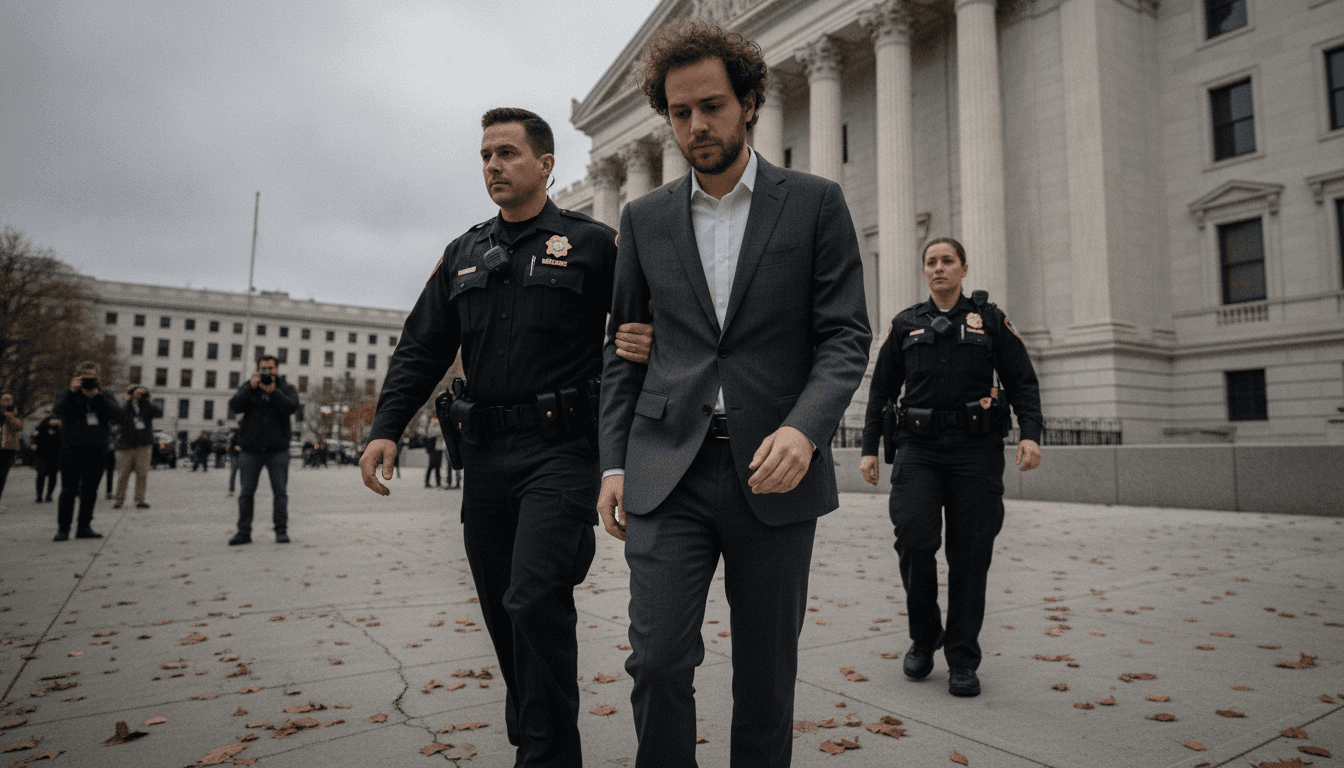
The Greg Lindberg money laundering scheme, a staggering $2 billion operation, stands as a stark reminder of the sophisticated financial deceptions that can undermine investor trust and inflict widespread damage. This monumental fraud, involving an insurance mogul, underscores the critical need for vigilance in financial markets and robust regulatory oversight. The scheme’s sheer scale suggests a complex web of transactions designed to obscure the true nature of the illicit funds, ultimately leading to significant losses and a profound breach of fiduciary duty.
The Architect of Deception: Greg Lindberg
At the heart of this intricate financial fraud is Greg Lindberg, an insurance mogul who leveraged his position to orchestrate a vast money laundering operation. While the full intricacies of how the scheme worked are still being pieced together, the core involved the illicit movement of an estimated $2 billion. Lindberg, through his various entities, allegedly engaged in a pattern of financial maneuvers designed to disguise the origins and ownership of these funds. This often involves shell companies, complex inter-company loans, and offshore accounts, all meticulously arranged to evade detection by financial authorities.
The specific mechanisms of the money laundering operation likely involved a series of transactions that made the illegal funds appear legitimate. This could include purchasing legitimate assets with illicit money, then reselling them, or funneling funds through businesses that commingle clean and dirty money. The ultimate goal was to integrate the ill-gotten gains into the legitimate financial system, making them virtually untraceable to their original illegal source. The use of an insurance conglomerate provided a seemingly legitimate facade, allowing for large sums of money to be moved under the guise of investment or operational activities.
The Unseen Casualties of the Greg Lindberg Money Laundering Scheme
While the Mshale report does not detail the specific victims, a $2 billion money laundering scheme inevitably leaves a trail of financial devastation. Typically, in such cases, victims can include policyholders of insurance companies whose assets were misused, investors who unknowingly funded illicit operations, and potentially even pension funds or other institutional investors whose capital was diverted. These individuals and entities are often deceived by the perceived legitimacy of the financial institutions involved, trusting their investments to what they believe are secure and regulated entities.
“The human cost of financial fraud extends far beyond monetary losses; it erodes trust in the very institutions designed to protect financial stability.”
The human impact can be profound. Individuals may lose life savings, retirement funds, or the security they believed their insurance policies provided. For businesses and institutions, the losses can lead to insolvency, job cuts, and a significant blow to their reputation. The deception often involves sophisticated financial instruments and misleading disclosures, making it incredibly difficult for average investors to discern the fraudulent nature of the operations until it is too late. The betrayal of trust is a significant aspect of such white-collar crimes, leaving victims not only financially poorer but also deeply disillusioned.
The Unraveling of the Scheme
The Mshale report, dated May 29, 2026, indicates that Lindberg is slated for sentencing, suggesting a thorough investigation has already concluded. While the source material does not detail how the fraud was discovered, such large-scale money laundering operations are typically uncovered through a combination of factors: whistleblower complaints, suspicious activity reports filed by financial institutions, internal audits, or investigations initiated by regulatory bodies like the SEC or FBI. Financial forensics experts would have painstakingly followed the money trail, analyzing bank records, corporate filings, and transaction data to expose the intricate scheme.
Evidence would likely have included electronic communications, financial statements, internal memos, and possibly even recorded conversations or witness testimonies. The complexity of a $2 billion operation means that a vast amount of data would have been meticulously scrutinized to connect Lindberg directly to the illicit activities and demonstrate intent. The investigation would have required significant resources and collaboration among various law enforcement and financial regulatory agencies, both domestically and potentially internationally, given the nature of money laundering.
Consequences and Lingering Questions
Greg Lindberg is set to be sentenced, a critical step in bringing accountability for the $2 billion money laundering scheme. While the specific sentence, fines, and asset recovery details are not yet public as of the Mshale report’s date, convictions for financial crimes of this magnitude typically result in substantial prison terms, hefty financial penalties, and extensive asset forfeiture aimed at compensating victims. The legal proceedings serve as a deterrent and a mechanism to recover some of the stolen funds, though full recovery is often challenging.
The impending sentencing marks a significant moment in this case, but it also raises questions about the regulatory environment that allowed such a massive scheme to proliferate. Lessons from the Greg Lindberg money laundering scheme highlight the importance of robust internal controls, independent oversight, and continuous improvement in regulatory frameworks to prevent future financial frauds. Investors and the public must remain vigilant, questioning opaque financial structures and seeking transparency in all investment vehicles. Red flags often include unusually high returns with little risk, complex and convoluted investment strategies, and a lack of clear, understandable financial reporting.