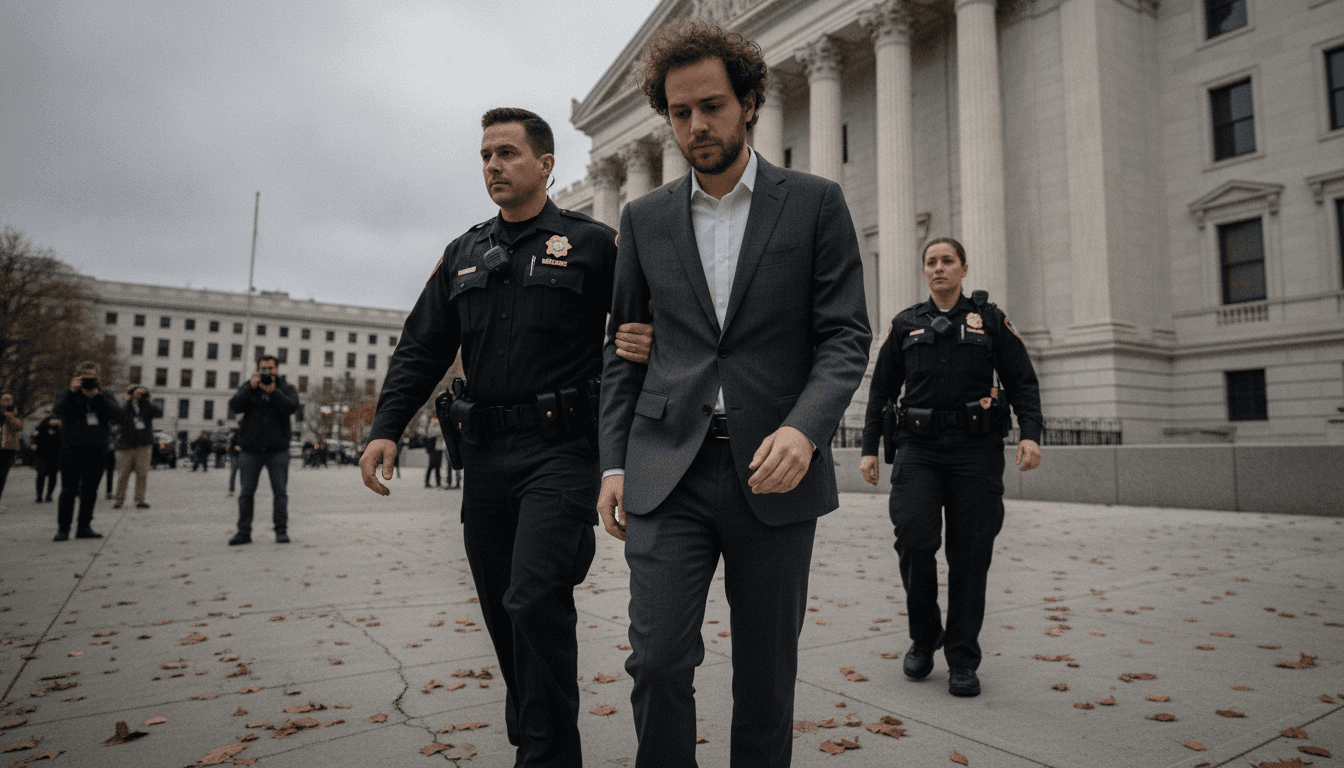
Insurance mogul Greg Lindberg faces sentencing in a staggering $2 billion money laundering scheme, a case that has sent ripples through the financial world and underscores the persistent threat of white-collar crime. This monumental fraud involved the illicit movement of vast sums, leaving a trail of questions about oversight and accountability within the insurance sector.
The Architect of Deception: Greg Lindberg’s Modus Operandi
At the heart of this intricate web of deceit is Greg Lindberg, a figure once lauded in the insurance industry. The scheme, detailed by authorities, involved the systematic laundering of approximately $2 billion. While the exact mechanics of the money laundering operation are still being fully dissected, the core accusation points to a sophisticated manipulation of financial instruments and corporate structures to obscure the origin and destination of these funds. Lindberg, through his various entities, allegedly orchestrated a complex series of transactions designed to move money illicitly, bypassing regulatory scrutiny and ultimately enriching himself.
The scale of the operation suggests a deliberate and prolonged effort to exploit weaknesses in financial reporting and compliance. This wasn’t a spontaneous act but a carefully constructed edifice of financial obfuscation, leveraging Lindberg’s position and influence within the insurance sector. The illicit movement of funds on such a grand scale typically involves shell companies, offshore accounts, and a network of complicit or unwitting intermediaries, all designed to create layers of separation from the original source of the money.
Unraveling the $2 Billion Money Laundering Scheme
The unraveling of this massive financial fraud was the result of diligent investigative work. While the specific details of how authorities first caught wind of the scheme are not fully disclosed, such large-scale money laundering operations often come to light through suspicious activity reports filed by financial institutions, whistleblowers, or inter-agency cooperation. Investigators would have meticulously followed the money trail, piecing together complex financial records, corporate filings, and transaction data to expose the true nature of Lindberg’s activities. The sheer volume of money involved, $2 billion, would have required an extensive and coordinated effort by federal agencies to trace and document the illicit flows.
“The complexity of this case highlights the growing sophistication of financial criminals who leverage intricate corporate structures to conceal their illicit activities. It serves as a stark reminder that vigilance and robust regulatory frameworks are paramount in protecting the integrity of our financial systems.”
The evidence likely included bank statements, internal company documents, communications, and potentially testimony from individuals involved in or privy to the scheme. The investigation would have focused on demonstrating intent and proving that the movement of funds was specifically designed to conceal illegal activities or sources of wealth. For more insights into similar financial crimes, consider reviewing related fraud investigations.
Consequences and the Road Ahead
As of May 29, 2026, Greg Lindberg is facing sentencing for his role in the $2 billion money laundering scheme. The charges brought against him reflect the gravity of his alleged actions and the significant harm caused to the financial system. The consequences for individuals convicted of such severe financial crimes typically include substantial prison sentences, hefty fines, and the forfeiture of ill-gotten gains. Asset recovery efforts are often a critical component, aiming to seize and return funds or assets acquired through the fraudulent activities.
The sentencing will serve as a critical moment, not only for Lindberg but also for the broader financial community, signaling the legal system’s commitment to prosecuting white-collar criminals. The outcome will set a precedent and reinforce the message that those who attempt to exploit the financial system for personal gain will face severe repercussions. The legal process in such high-profile cases can be lengthy and complex, involving appeals and further legal proceedings, but the initial sentencing marks a significant milestone.
Lessons Learned and Red Flags to Watch For
The Greg Lindberg $2 billion money laundering scheme offers crucial lessons for investors, regulators, and the public. The primary red flag in cases of this magnitude is often the promise of unusually high or consistent returns that seem too good to be true, especially when coupled with opaque investment structures or a lack of transparency regarding how funds are managed. Investors should exercise extreme caution when dealing with complex financial products or companies that are not fully transparent about their operations or the use of client funds. Due diligence is paramount: research the individuals and entities involved, scrutinize financial statements, and verify regulatory compliance.
For regulators, this case underscores the need for continuous enhancement of oversight mechanisms, particularly in sectors like insurance where large pools of capital are managed. Strengthening anti-money laundering (AML) protocols and fostering greater inter-agency cooperation are vital to detecting and preventing sophisticated financial crimes. Ultimately, vigilance and a healthy skepticism towards financial dealings that lack clarity are essential in protecting against future instances of fraud on this scale.