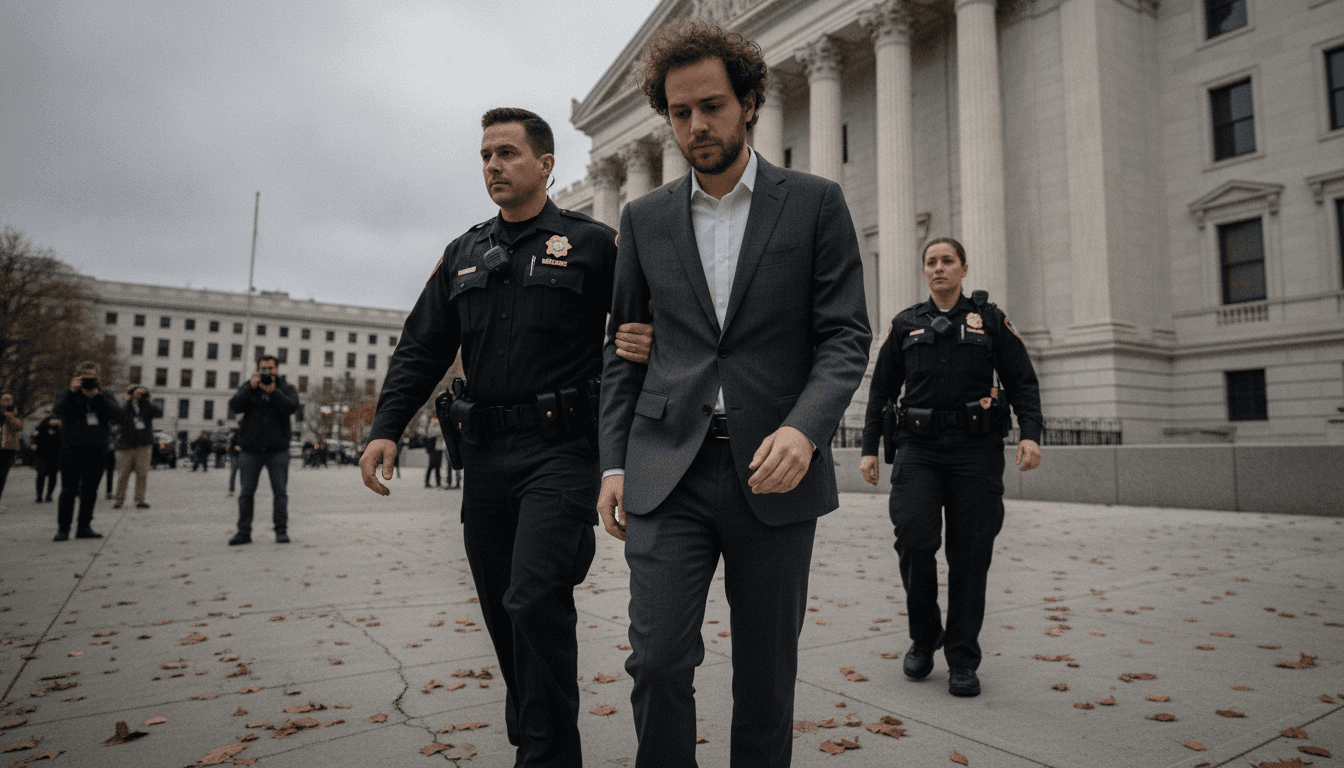
A Rochester man was sentenced in the Feeding Our Future fraud scheme, a colossal deception that siphoned $5.3 million from federal child nutrition programs intended for vulnerable children. This staggering sum represents a direct theft from the public purse, diverting critical resources meant to provide meals to those most in need, and highlights the insidious nature of white-collar crime that preys on government initiatives.
The Architect of Deceit: Who, What, How
The central figure in this particular facet of the broader Feeding Our Future fraud was a Rochester man, whose actions contributed significantly to the overall multi-million dollar scheme. While the specific name of the individual is not detailed in the available information, the impact of his actions is clear: the theft of $5.3 million. The modus operandi involved exploiting the U.S. Department of Agriculture’s (USDA) federal child nutrition programs, designed to reimburse organizations that provide meals to low-income children and adults. The fraud appears to have been perpetrated by creating or operating sham sites or by grossly inflating the number of meals served and children fed at legitimate sites.
This particular individual’s role involved submitting fraudulent claims for reimbursement. The scheme likely relied on falsified documentation, including attendance rosters, meal count sheets, and invoices for food supplies that were either never purchased or distributed in the quantities claimed. The sophistication of such schemes often involves a network of individuals and entities, each playing a part in creating a veneer of legitimacy over the fictitious operations.
“The Feeding Our Future fraud represents a profound betrayal of public trust, diverting funds meant for the most vulnerable to line the pockets of criminals.”
The allure of federal funding, coupled with perceived lax oversight, often fuels such elaborate scams. In this case, the promise of significant reimbursement for ‘feeding’ thousands of children proved too tempting for unscrupulous individuals.
The Unseen Victims of Fraud
The primary victims of the Feeding Our Future fraud are not just the taxpayers, but profoundly, the children and families for whom these vital nutrition programs were established. Every dollar stolen means one less meal provided, one less child supported, and a direct undermining of efforts to combat food insecurity. The deception effectively robbed these communities of resources essential for healthy development and well-being. While the immediate financial impact might seem abstract to some, the human cost is very real – diminished access to nutritious food, increased hardship for struggling families, and a erosion of faith in public programs designed to help them. The fraud also impacts the legitimate non-profit organizations that work tirelessly to serve these communities, as such scandals inevitably lead to increased scrutiny and bureaucratic hurdles.
How the Scheme Unraveled
The unmasking of the Feeding Our Future fraud was the result of diligent investigative work. While the specific details of the initial tip or discovery are not outlined, large-scale financial frauds of this nature typically come to light through a combination of whistleblowers, routine audits revealing inconsistencies, or suspicious financial transactions flagged by banking institutions. Federal agencies, likely including the FBI and the USDA’s Office of Inspector General, would have spearheaded the investigation, meticulously tracing the flow of funds, analyzing submitted claims, and interviewing individuals involved. Evidence would have included falsified documents, bank records showing illicit transfers, and potentially surveillance or testimony from cooperators. The sheer volume of fraudulent claims and the scale of the money involved would have eventually triggered red flags within the system.
Consequences and Accountability
The Rochester man’s sentencing on Saturday, May 9, 2026, marks a significant step in holding perpetrators accountable for the Feeding Our Future fraud. While the exact sentence (e.g., prison time, probation) and specific fines are not detailed in the provided information, the fact of a sentencing indicates a conviction for his role in stealing $5.3 million. Beyond incarceration, financial penalties, including restitution to the government and forfeiture of ill-gotten gains, are standard in such cases. Asset recovery efforts would aim to seize properties, vehicles, or bank accounts purchased with the stolen federal funds, though full recovery is often challenging given the complexities of financial fraud. This sentencing serves as a stark reminder that those who exploit public programs for personal enrichment will face severe legal repercussions.
Lessons from the Fraud: Red Flags to Watch For
The Feeding Our Future fraud underscores the critical need for robust oversight and vigilance in government-funded programs. For individuals and organizations, several red flags should prompt immediate scrutiny: unusually rapid growth in reported service numbers without corresponding increases in infrastructure or staff; claims for reimbursement that seem disproportionately high compared to the actual operational capacity; and a lack of transparency in financial records or program operations. Any organization receiving significant public funds should be subject to rigorous, independent audits. Furthermore, a culture that encourages whistleblowing and protects those who report suspicious activity is paramount. This case serves as a powerful reminder that while government programs aim to do good, they are always vulnerable to exploitation by those driven by greed, making continuous vigilance against financial malfeasance essential to protect public resources and the vulnerable populations they are designed to serve.