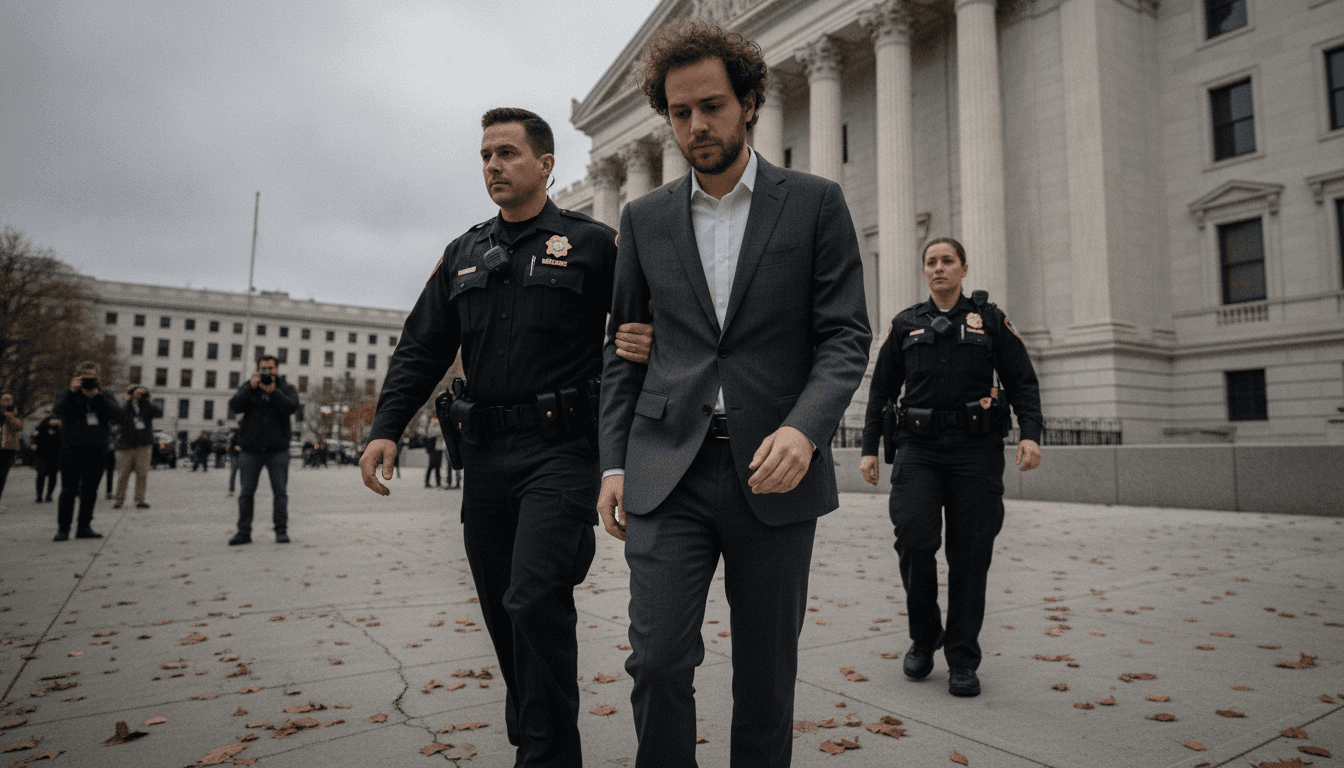
A $4 million bounty has been offered by the United States for the arrest of a Chinese money launderer, highlighting a transnational financial fraud operation that siphoned significant illicit funds across borders. This substantial reward underscores the severity and global reach of a scheme involving drug trafficking proceeds and complex financial obfuscation, now pursued by international law enforcement.
The Architect of Deception
The individual at the heart of this international manhunt is Fujing Zheng, a Chinese national accused of orchestrating a sophisticated money laundering network. Zheng, along with his alleged co-conspirators, is charged with operating a vast illicit financial services business that facilitated the movement of drug trafficking proceeds, primarily from Mexican cartels, through the U.S. financial system and ultimately into China. The scale of the operation suggests a deeply embedded and highly organized criminal enterprise, leveraging global banking infrastructure to obscure the origins and destinations of vast sums of illegal money.
The modus operandi involved a classic hawala-style system, where physical cash, often derived from drug sales on U.S. streets, would be collected. Instead of direct wire transfers, which are heavily scrutinized, Zheng’s network would utilize a layered approach. Funds would be deposited into various shell company accounts or through seemingly legitimate business transactions, often involving trade-based money laundering schemes, where goods are over-invoiced or under-invoiced to move value across borders without triggering immediate red flags. This intricate web allowed for the rapid movement of funds, making it exceedingly difficult for authorities to trace the money’s true source or ultimate beneficiary.
Chinese Money Launderer: The Unraveling
The investigation into Fujing Zheng’s network was a multi-agency effort, spearheaded by U.S. authorities. While the specific trigger for the initial discovery is not detailed in the available information, such operations typically come to light through a combination of intelligence gathering, suspicious activity reports (SARs) filed by financial institutions, and cooperation with international partners. Evidence likely included extensive financial transaction analysis, intercepted communications, and potentially informant testimony. The complexity of the scheme required painstaking forensic accounting and digital investigation to piece together the flow of funds and identify the key players.
“Transnational money laundering operations like Zheng’s exploit the seams between international financial systems, demanding unprecedented cooperation and intelligence sharing to dismantle effectively.”
The U.S. Department of State, through its Narcotics Rewards Program, announced the $4 million bounty for information leading to Zheng’s arrest and conviction. This bounty is a clear indication of the high priority placed on apprehending Zheng and disrupting his illicit financial activities, reflecting the significant threat he poses to global financial integrity and security. Related fraud investigations often reveal similar patterns of exploiting regulatory gaps and leveraging seemingly legitimate businesses to mask criminal proceeds. For more on such cases, visit our archive of fraud investigations.
Consequences and Lingering Questions
While the full extent of arrests and convictions directly linked to Zheng’s immediate network is not detailed, the U.S. government’s offer of a substantial bounty implies ongoing legal proceedings and an active pursuit of justice. The charges against Zheng would likely include money laundering, conspiracy to commit money laundering, and potentially charges related to drug trafficking. The long arm of U.S. law enforcement, even internationally, means that any assets seized or recovered would likely be subject to forfeiture proceedings, aimed at depriving the criminal enterprise of its ill-gotten gains.
The case of the Chinese money launderer, Fujing Zheng, serves as a stark reminder of the persistent challenges posed by transnational financial crime. For individuals and businesses, the red flags to watch for include unexplained wealth, complex international transactions with no clear economic purpose, and requests to move funds through third-party accounts or non-traditional payment systems. Vigilance, robust due diligence, and a healthy skepticism towards financial dealings that seem too good to be true remain the strongest defenses against falling victim to or inadvertently facilitating such sophisticated schemes. The global financial system is a constant target, and only through collective awareness and rigorous enforcement can its integrity be maintained.