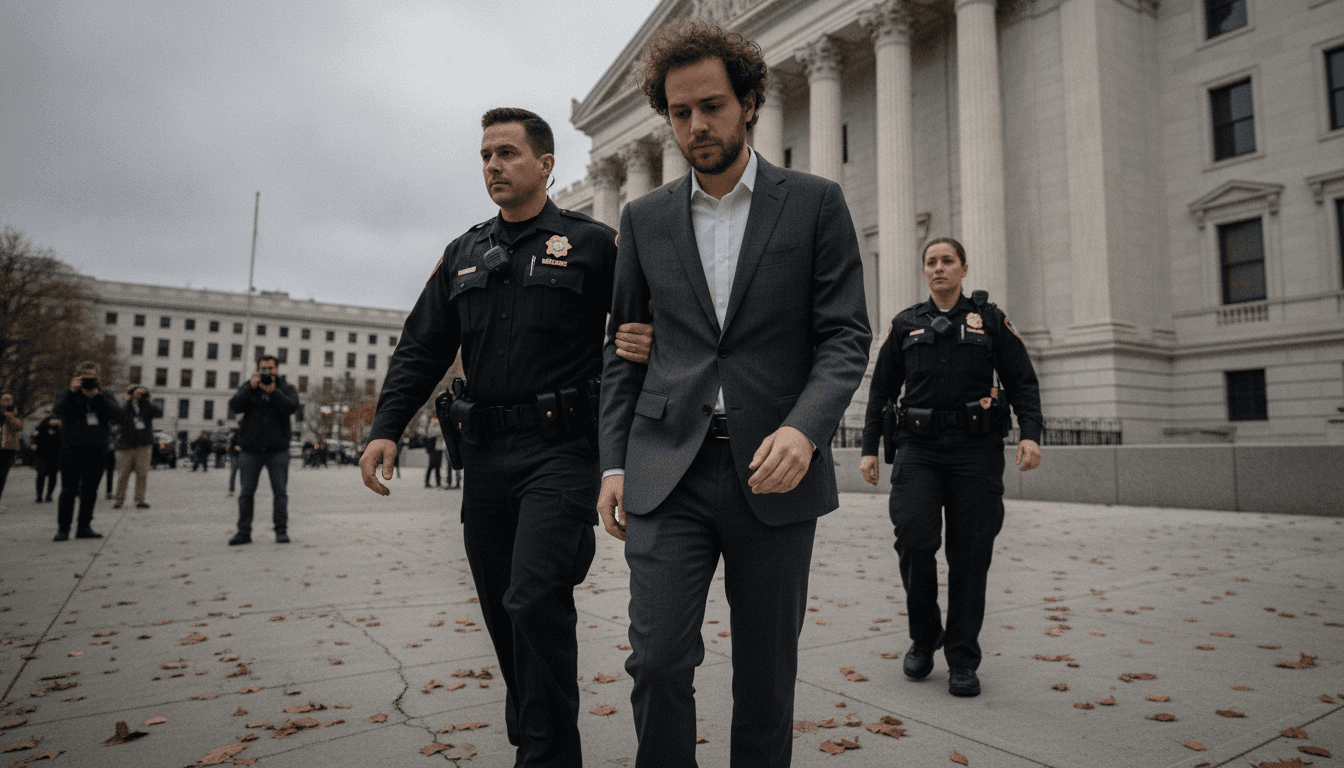
Burt Marshall’s $90 million fraud scheme, meticulously orchestrated over years, has left a trail of financial devastation for hundreds of victims, many of whom were elderly and trusted Marshall implicitly. The scale of the deception, which saw Marshall siphon off nearly a hundred million dollars, represents one of the most significant investment frauds to emerge in recent memory, underscoring the enduring vulnerability of individuals to sophisticated white-collar criminals.
The Architect of Deceit: Burt Marshall’s Modus Operandi
The man at the center of this financial maelstrom is Burt Marshall, a figure who cultivated an image of trust and financial acumen. Marshall wasn’t just an investment advisor; he was often a friend, a community pillar, someone whose advice was sought and rarely questioned. His scheme was insidious in its simplicity and devastating in its execution. Marshall operated by convincing investors to transfer funds from their legitimate retirement accounts and other savings into entities he controlled, promising high, guaranteed returns that never materialized. He then diverted these funds for his personal lavish lifestyle and to perpetuate the illusion for earlier investors – a classic Ponzi scheme.
Victims were told their money was being invested in various ventures, ranging from real estate developments to technology startups, all of which were either fictitious or grossly misrepresented. Marshall provided falsified account statements, showing impressive gains and balances that were entirely fabricated. The deception was so thorough that many victims remained unaware for years, continuously entrusting him with more capital, often their entire life savings. The Burt Marshall’s $90 million fraud scheme was built on a foundation of meticulously crafted lies and a betrayal of personal relationships.
The Human Cost: Victims of Burt Marshall’s $90 Million Fraud Scheme
The human toll of Marshall’s fraud is immeasurable. Hundreds of individuals, many of whom were retirees, saw their life savings vanish. They were not sophisticated investors looking for high-risk ventures; they were ordinary people seeking secure futures, often referred to Marshall by friends or family who had also fallen prey. One victim poignantly stated,
“I thought he was my friend… he was family. To know he was systematically stealing from me, from all of us, is a betrayal I don’t think I’ll ever truly recover from.”
This sentiment echoes across the victim pool, highlighting the profound emotional and psychological damage alongside the financial ruin. Homes were lost, retirement plans shattered, and dreams of comfortable golden years replaced by anxiety and despair. The trust placed in Marshall was not merely financial; it was deeply personal, making the betrayal all the more painful.
How the Deception Unraveled
The elaborate façade maintained by Burt Marshall eventually began to crack under the weight of its own unsustainability. The exact trigger for the unraveling is often a combination of factors: an inability to attract new money to pay off existing investors, increasing demands for withdrawals that couldn’t be met, or a suspicious victim finally asking too many questions. While the precise details of its discovery are not explicitly stated, such schemes typically collapse when the inflow of new money dwindles, making it impossible to sustain the promised returns or meet withdrawal requests. Investigations into financial fraud are complex, often involving forensic accountants tracing illicit money flows through a labyrinth of shell companies and bank accounts. Law enforcement agencies, likely the FBI and state financial regulators, would have initiated a detailed probe once sufficient evidence of fraudulent activity emerged, meticulously piecing together the web of deceit Marshall had spun.
Consequences and Lingering Questions
Burt Marshall has been arrested, charged, and is now serving time in prison. While the specifics of his sentence and the exact charges are not detailed, the scale of the fraud suggests significant penalties. However, for the victims, Marshall’s prison time offers little solace compared to the estimated $90 million they lost. Asset recovery in such cases is notoriously difficult. Often, the fraudsters have spent the money on lavish lifestyles, leaving little to be recouped for the victims. This stark reality means that while justice, in the form of incarceration, may be served, financial restitution for the hundreds of affected individuals remains a distant hope. The legal process, while necessary, often falls short of fully restoring what was stolen.
Lessons Learned: Guarding Against Investment Fraud
The Burt Marshall’s $90 million fraud scheme serves as a stark reminder of the critical importance of due diligence in all investment decisions. Red flags to watch for include promises of unusually high, guaranteed returns with little to no risk, pressure to invest quickly, and resistance to providing transparent documentation or independent verification of investments. Investors should always verify the credentials of financial advisors through regulatory bodies like FINRA or the SEC and be wary of advisors who insist on managing funds through personal accounts or obscure entities rather than regulated investment firms. Always seek independent financial advice before making significant investment decisions, especially when presented with opportunities that seem too good to be true. The tragic outcome of Marshall’s scheme underscores the enduring need for vigilance and skepticism in the face of enticing but ultimately fraudulent financial promises. For more insights into avoiding similar pitfalls, explore our fraud prevention resources.