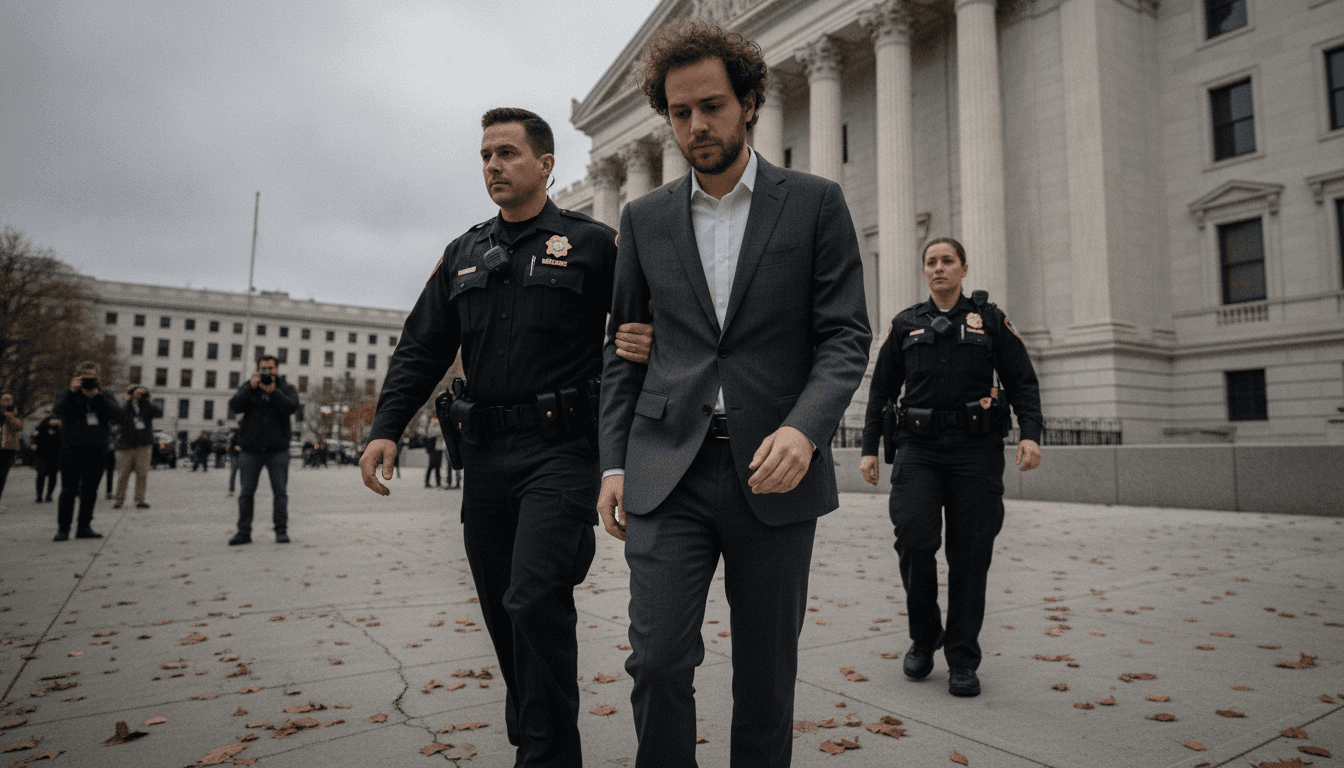
A federal jury in Manhattan on May 7 delivered a resounding verdict, finding former Beneficient CEO Bradley Heppner guilty of securities fraud, wire fraud, conspiracy to commit securities fraud and wire fraud, and false statements to auditors in a multi-million dollar fraud scheme that cost investors approximately $150 million. The conviction marks a significant victory for federal prosecutors and sends a stark warning to executives who would betray the trust of their shareholders and the integrity of financial markets.
The Architect of Deception: Bradley Heppner’s Scheme
At the heart of this elaborate deception was Bradley Heppner, the former chief executive of Beneficient, a financial services firm. The precise details of how Heppner orchestrated the fraud, as revealed in the case docket, painted a picture of calculated manipulation. While the full extent of his actions is still being parsed, the charges of securities fraud and wire fraud indicate a pattern of misleading investors and misrepresenting the company’s financial health to illicitly gain capital. The conspiracy charges further suggest a coordinated effort, likely involving others, to perpetuate the scheme, creating a web of deceit that ultimately unraveled in a Manhattan courtroom. The false statements made to auditors were a critical component, designed to obscure the true financial picture and maintain the illusion of legitimacy, thereby prolonging the fraud and increasing the potential for investor losses.
The Unraveling of a $150 Million Fraud
The unraveling of this extensive fraud investigation likely began with vigilant oversight or whistleblowers, leading to a thorough examination of Beneficient’s financial statements and internal communications. While specific details of the discovery process are not publicly available from the verdict announcement, federal prosecutors in Manhattan spearheaded the investigation. The charges themselves – securities fraud, wire fraud, conspiracy, and false statements to auditors – point to a meticulous collection of evidence, likely including manipulated financial records, internal emails, communication with investors, and testimony from those who became aware of the illicit activities. The conviction on May 7, 2026, by a federal jury underscores the compelling nature of the evidence presented against Heppner, leaving little doubt in the minds of the jurors regarding his culpability.
“The conviction of Bradley Heppner serves as a powerful reminder that the mechanisms designed to protect investors, from regulatory bodies to diligent auditors, are ultimately effective in bringing financial criminals to justice.”
Consequences for Bradley Heppner
With the federal jury’s verdict delivered on May 7, Bradley Heppner now faces severe consequences. The charges of securities fraud, wire fraud, conspiracy to commit securities fraud and wire fraud, and false statements to auditors carry substantial prison sentences under federal law. While the exact length of his incarceration will be determined at a later sentencing, such convictions often result in multi-year terms, reflecting the gravity of financial crimes that erode public trust and destabilize markets. Beyond imprisonment, Heppner can expect significant fines, and efforts to recover the $150 million lost by investors will undoubtedly be pursued. This case stands as a testament to the commitment of law enforcement to hold high-ranking executives accountable for their illicit actions. The legal proceedings have exposed the inner workings of a scheme designed to defraud, solidifying the importance of corporate governance and ethical leadership.
Lessons and Red Flags from Beneficient’s Fall
The Beneficient case, culminating in Bradley Heppner’s conviction, offers critical lessons for investors and financial professionals alike. A primary red flag often emerges from inconsistencies in financial reporting or overly aggressive growth projections that lack transparent, verifiable backing. Investors should always scrutinize executive compensation structures, especially when they seem disproportionate to company performance. Furthermore, a lack of independent oversight on the board of directors and a culture where questions are discouraged can foster an environment ripe for fraudulent activity. This case highlights the necessity of robust internal controls and the vital role of independent auditors in verifying financial health. Any resistance to transparency or unusual accounting practices should be immediate causes for concern. The $150 million fraud scheme orchestrated by Bradley Heppner underscores the enduring need for vigilance and skepticism in the financial world. Diligence in research and an awareness of these red flags are paramount for safeguarding investments and preventing similar financial devastations. The ultimate lesson is clear: trust, but always verify, especially when substantial sums are at stake.