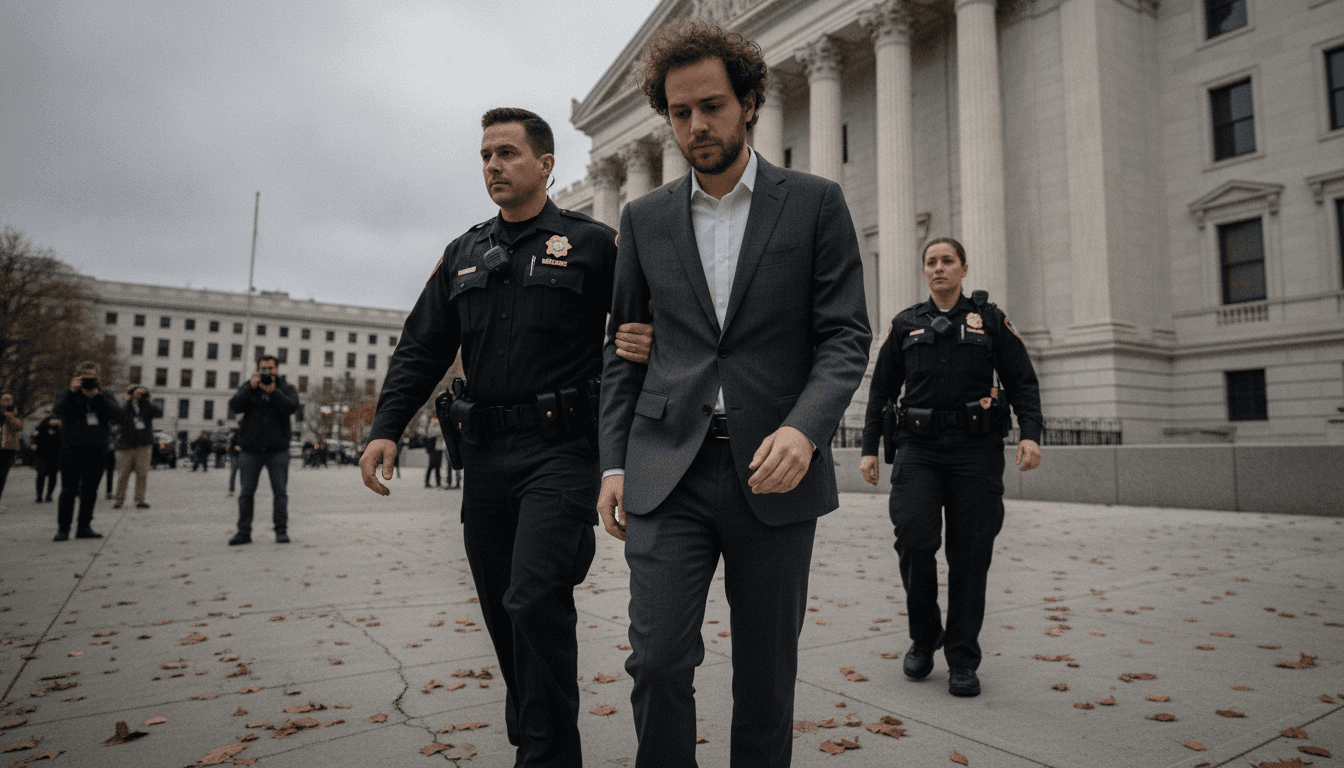
A Minnesota woman is accused in a staggering $21 million autism fraud scheme, a complex web of deceit that allegedly siphoned funds intended for vulnerable children and their families. The alleged perpetrator, whose name has not yet been released by authorities, pleaded not guilty on Wednesday, May 27, 2026, to charges stemming from the elaborate scam. This case highlights the insidious nature of financial crimes that prey on those most in need, diverting crucial resources and trust.
How the $21 Million Autism Fraud Scheme Worked
The core of the alleged autism fraud scheme involved the systematic manipulation of healthcare billing and service provision. While specific details of the individual’s role and the entities involved remain under wraps due to the ongoing legal proceedings, the scale of the alleged fraud suggests a sophisticated operation. Typically, such schemes involve creating shell companies, submitting false claims for services never rendered, or exaggerating the scope and duration of legitimate treatments. Given the nature of autism therapy, which often involves extensive, long-term care, opportunities for fraudulent billing can be exploited by unscrupulous individuals. The $21 million figure points to a sustained effort over a significant period, likely involving numerous false invoices and fabricated patient records.
Investigations into similar healthcare frauds often uncover a pattern of inflated charges, billing for unqualified personnel, or even claiming for deceased patients. In this particular case, the focus on autism services adds a layer of ethical depravity, as funds are meant to support children requiring specialized and often expensive interventions to improve their quality of life. The alleged perpetrator’s plea of not guilty indicates a contested legal battle ahead, where prosecutors will need to meticulously present evidence of intent and execution of the fraud.
The Human Toll of Deception
While the financial sum is immense, the true cost of an autism fraud scheme extends far beyond monetary losses. The victims in such cases are often two-fold: the insurance companies or government programs that pay out the fraudulent claims, and more tragically, the families and children who are deprived of legitimate care. When funds are diverted through fraud, it can lead to higher premiums for everyone, stricter regulations that make it harder for legitimate providers to operate, and a general erosion of trust in the healthcare system. For families relying on these services, the emotional and practical impact can be devastating.
“Fraud schemes targeting vulnerable populations not only steal money but also erode the very fabric of trust essential for effective healthcare and support systems,” stated a financial crime expert.
Families with autistic children often navigate a complex landscape of therapies, appointments, and financial strains. To discover that funds intended to alleviate these burdens have been systematically stolen is an unimaginable betrayal. While the CBS News report does not detail individual victims, the nature of the alleged crime implies that legitimate providers might have been crowded out, or that the quality of care for some patients could have been compromised indirectly by the availability of funds.
Unraveling the Deceit
The process of discovering and investigating a fraud of this magnitude is typically painstaking. While the CBS News report does not specify how this particular autism fraud scheme was initially detected, such cases often come to light through whistleblowers, routine audits by insurance companies or government agencies, or through suspicious activity reported by financial institutions. Given the $21 million sum, it is highly probable that multiple federal and state agencies, such as the FBI, HHS-OIG (Office of Inspector General), and state Medicaid fraud control units, would have been involved in the investigation. They would have meticulously examined billing records, patient files, bank statements, and corporate documents to piece together the full scope of the alleged fraud.
Evidence would likely include discrepancies in service logs, forged signatures, phantom patient accounts, and unexplained financial transfers. The sheer volume of transactions necessary to reach $21 million would have created a significant paper trail, despite any attempts to conceal it. The fact that charges have been brought indicates that investigators believe they have compelling evidence to present to a jury.
Consequences and the Path Forward
Following her plea of not guilty on May 27, 2026, the Minnesota woman now faces a potentially lengthy legal battle. If convicted, the consequences for an alleged $21 million autism fraud scheme could be severe, including substantial prison time, hefty fines, and orders for restitution. Asset forfeiture proceedings would likely be initiated to recover any ill-gotten gains, aiming to recoup at least some of the stolen funds. However, fully recovering $21 million is often challenging, as fraudsters frequently dissipate funds through various means, including luxury purchases, investments, or transfers to offshore accounts.
This case serves as a stark reminder of the vigilance required to protect public and private funds from criminal exploitation. For individuals and organizations, the red flags of potential fraud include unsolicited offers for services, pressure to sign blank forms, unusual billing practices, or providers who discourage direct contact with insurance companies. Robust internal controls, regular audits, and encouraging a culture of reporting suspicious activity are crucial defenses against such elaborate schemes. The financial standard remains committed to exposing these crimes and holding perpetrators accountable, ensuring that vital resources reach those who truly need them.