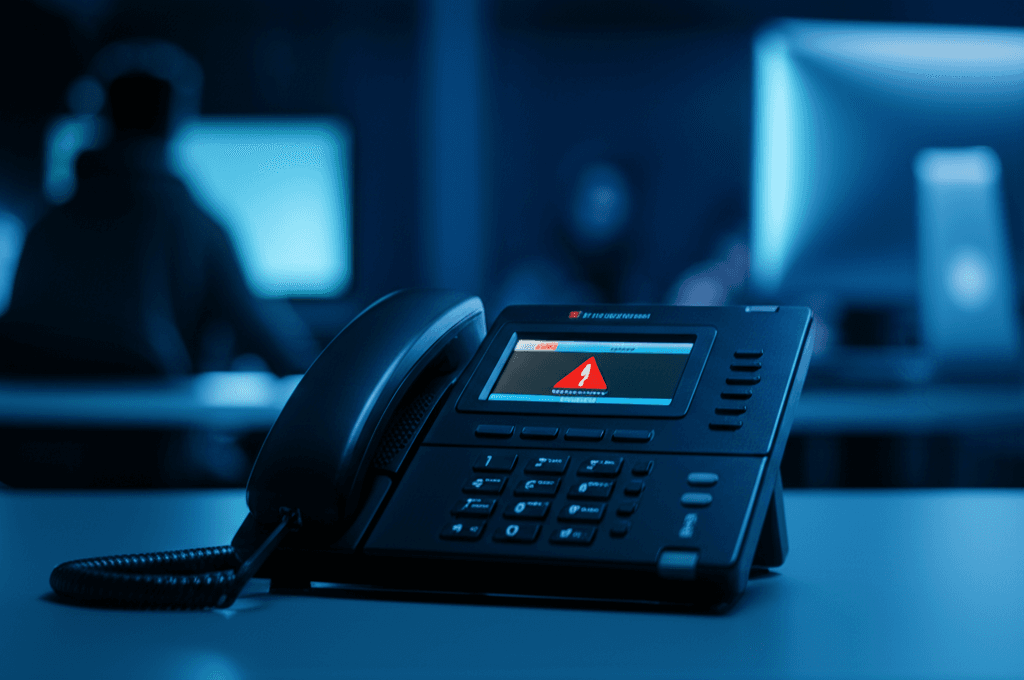
VoIP phone security is under the spotlight after a critical vulnerability was discovered in Grandstream GXP1600 VoIP phones. The unauthenticated remote code execution flaw puts thousands of businesses at risk of potential fraud and data breaches. This vulnerability allows attackers to execute arbitrary code remotely without requiring any authentication, effectively granting them complete control over the affected devices.
Grandstream GXP1600 Vulnerability: A Deep Dive
The vulnerability, discovered by security researchers, stems from a flaw in the phone’s firmware that allows attackers to bypass authentication mechanisms. This allows malicious actors to send specially crafted requests to the phone, triggering the execution of arbitrary code. Once compromised, attackers can eavesdrop on calls, steal sensitive data, disrupt phone services, or even use the phones as a gateway to infiltrate the entire network.
The implications of this VoIP phone security flaw are significant. Businesses that rely on Grandstream GXP1600 phones for their communication infrastructure are particularly vulnerable. Attackers could potentially gain access to confidential business information, customer data, and financial records. Moreover, compromised phones could be used to launch further attacks on other devices within the network.
“This vulnerability underscores the importance of regular security audits and firmware updates for all network devices, especially those that handle sensitive communications.”
Urgent Action Needed: Patching the VoIP Phone Security Gap
Grandstream has released a firmware update to address this critical vulnerability. It is strongly recommended that all users of Grandstream GXP1600 phones immediately update their devices to the latest firmware version. This update contains the necessary patches to mitigate the risk of unauthenticated remote code execution.
To update the firmware, users can typically access the phone’s web interface and navigate to the firmware update section. Alternatively, they can contact their IT support team for assistance with the update process. It’s crucial to ensure that all phones are updated as quickly as possible to minimize the window of opportunity for attackers.
In addition to updating the firmware, businesses should also implement other security measures to protect their VoIP infrastructure. These measures include:
- Implementing strong passwords for all user accounts.
- Enabling firewalls to restrict access to the phone network.
- Regularly monitoring network traffic for suspicious activity.
- Educating employees about the risks of phishing attacks and social engineering.
The Broader Impact on VoIP Security
This incident serves as a reminder of the importance of maintaining a strong VoIP phone security posture. VoIP systems are increasingly becoming a target for cyberattacks, and businesses must take proactive steps to protect their communication infrastructure. This includes not only patching vulnerabilities but also implementing robust security policies and procedures.
The financial implications of a successful VoIP attack can be significant. In addition to the direct costs of data breaches and service disruptions, businesses may also face reputational damage and legal liabilities. Therefore, investing in VoIP phone security is a critical business imperative.
For more information on fraud prevention and cybersecurity, read more related Fraudulents news.
Source: The Hacker News