A San Diego serial killer probe has culminated in charges against a 74-year-old man, Dwight Rhone, who is now facing four counts of murder, including one cold case stretching back over three decades. The charges stem from an investigation that began with the discovery of human remains near Interstate 5 three years ago, revealing a disturbing pattern of violence spanning decades across San Diego County.
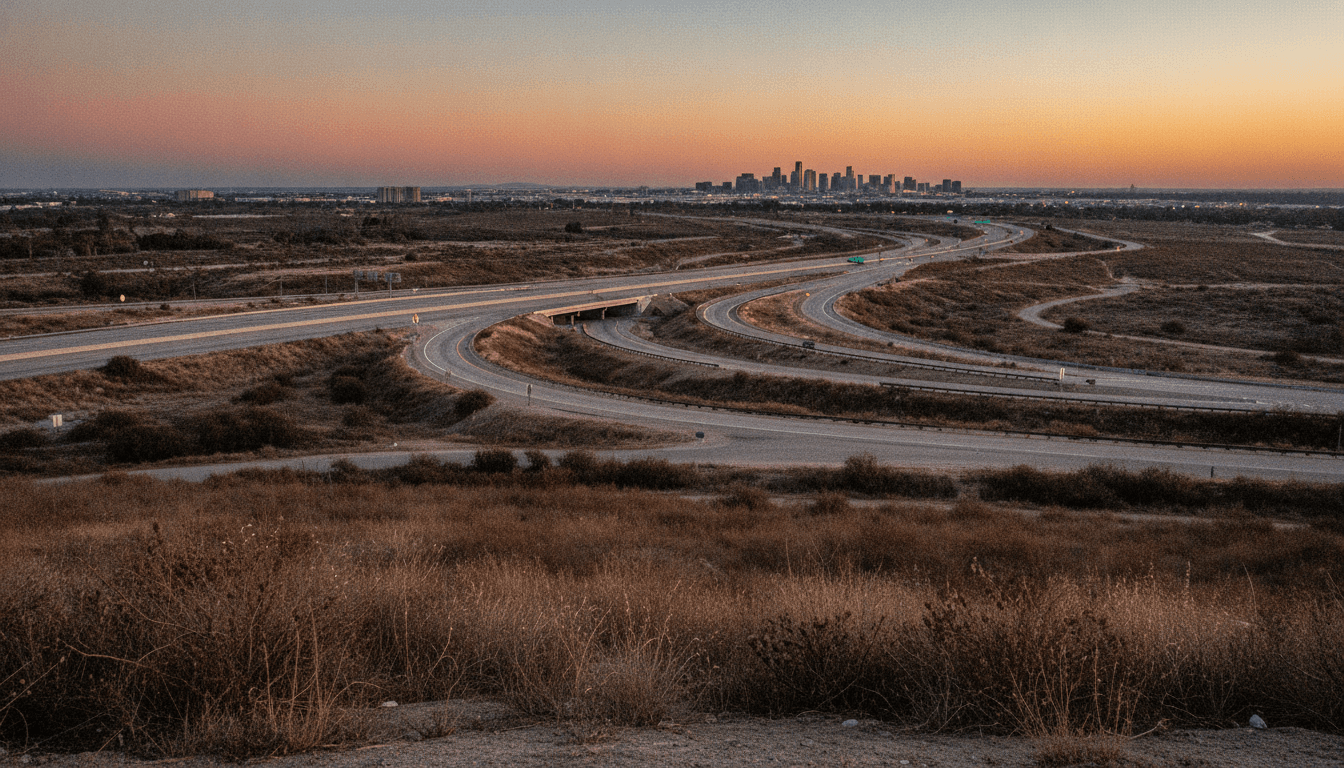
Rhone was initially apprehended on December 5, 2024, in connection with the killing of 54-year-old Bernardo Moreno. According to prosecutors from the San Diego County District Attorney’s Office, Moreno’s death was allegedly triggered by a dispute where Moreno stabbed Rhone’s dog after their animals fought. Moreno’s charred remains were found in October 2023 near the Interstate 5 and State Route 905 interchange, following reports of a brush fire. The medical examiner later determined Moreno died from a gunshot wound to the base of his skull.
Expanding the San Diego Serial Killer Investigation
The investigation quickly broadened, with authorities linking Rhone to three additional homicides. One of the earliest cases now attributed to Rhone is the death of Heriberto Ruiz, whose body was discovered in an alley near the 3500 block of Acacia Street in December 1993. Ruiz’s cause of death was determined to be strangulation, adding a chilling dimension to the suspect’s alleged methods.
Nearly a decade later, in September 2002, Ronald Johnken’s body was found in Chollas Creek near 3300 National Avenue. Investigators concluded Johnken succumbed to blunt-force head injuries, further highlighting the varied and brutal nature of the killings. The most recent discovery linked to Rhone occurred in December 2025, when investigators executed a search warrant at a former residence of his. Beneath a Newton Avenue home, the remains of Michael Brown were unearthed, cementing the fourth murder charge against Rhone.
“The expansion of charges against Dwight Rhone underscores the persistent dedication of law enforcement to connect long-unsolved cases, providing a measure of closure to families affected by decades-old tragedies.”
Rhone is not a stranger to local law enforcement. In 2017, he faced accusations of elder abuse and harassment against his sister-in-law, Ernie Monia, who owned the residence where he lived. A restraining order was issued in that case, which expired in 2022, as reported by the Los Angeles Times. More recently, in June 2023, Rhone was arrested after a traffic stop allegedly revealed two firearms in his pockets, indicating a continued pattern of legal entanglements.
Broader Implications for Cold Cases
The ongoing San Diego serial killer investigation has prompted authorities to revisit other unsolved homicides and missing persons cases that could potentially be tied to Rhone. Among these is the disappearance of Antenogenes Gomez Velasquez, now 44, who was last seen in 2021 and was known to reside at 3456 Newton Ave. Investigators are also re-examining the death of Danice Galloway, whose body was found in an alley near 3700 Main St. in San Diego in May 1989, a case that remains unsolved.
This development serves as a stark reminder of the long reach of justice and the tireless efforts of homicide units to bring perpetrators to account, even after decades. The use of modern investigative techniques, combined with diligent re-evaluation of historical evidence, can often unlock the secrets of cold cases. For more on similar cases, explore our related crime & justice articles.
Rhone appeared in court on June 10, where he was arraigned on the three additional murder counts. He entered a plea of not guilty and is scheduled to return to court in March 2027, setting the stage for a potentially lengthy and complex legal battle. The San Diego Police Department’s Homicide Unit continues to solicit information from the public, urging anyone with details to contact them at 619-531-2293, or submit anonymous tips through Crime Stoppers at 888-580-8477.
The unfolding events surrounding Dwight Rhone underscore the enduring impact of violent crime and the critical importance of sustained investigative efforts in maintaining public safety and delivering justice, regardless of how much time has passed. This San Diego serial killer case highlights the complex interplay between past incidents and present legal proceedings, promising to be a significant focus in the regional crime and justice landscape for years to come.