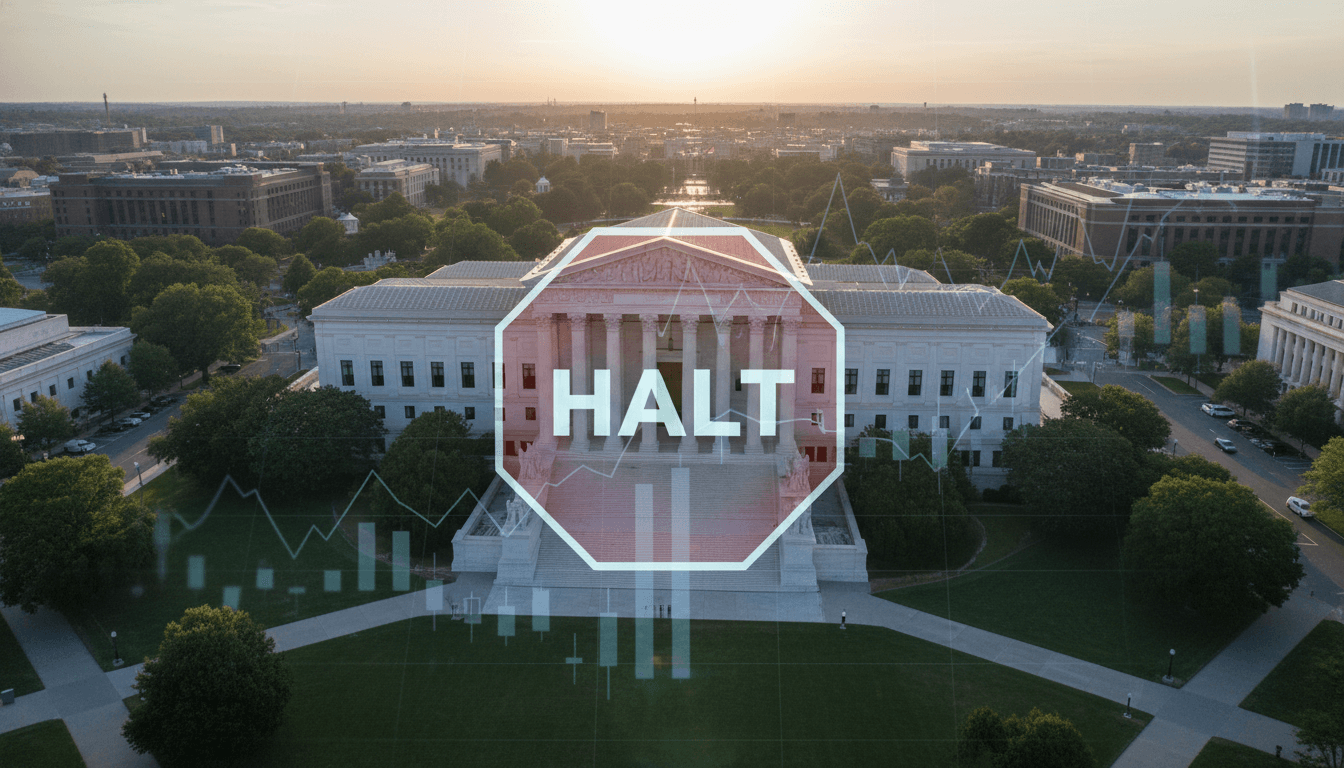
A federal judge’s decision to halt a Trump election fund marks a significant development on Tuesday, June 2, 2026, creating immediate ripples through the political finance landscape just as the Supreme Court prepares to issue critical election-related rulings. This legal intervention against the fund underscores the intensified scrutiny on campaign finance mechanisms, particularly those linked to high-profile political figures, and its timing amplifies the broader legal and political uncertainties surrounding the upcoming electoral cycle.
The specific details surrounding the judge’s order remain under close examination. While the source material indicates the fund is a “Trump fund,” the exact nature of its structure, the specific legal challenges it faced, and the precise grounds for the halt are paramount for understanding the full scope of this judicial action. Such a move typically stems from allegations of campaign finance violations, regulatory non-compliance, or challenges to its operational legality. The immediate consequence is a disruption to the financial operations of a significant political entity, potentially impacting its ability to mobilize resources and conduct campaign activities as election season advances.
Impact Analysis
This judicial halt to the Trump election fund reverberates across the crime and justice landscape, particularly within the realm of campaign finance enforcement and political accountability. It signals a continued willingness by the judiciary to intervene in the financial machinery of political campaigns, even those associated with former presidents. The decision could set a precedent for how similar funds are scrutinized and regulated in the future, prompting other political organizations to review their compliance protocols rigorously. It also highlights the ongoing tension between political fundraising efforts and the legal frameworks designed to ensure transparency and prevent undue influence. Furthermore, the timing of this halt, coinciding with the Supreme Court nearing key election rulings, creates a complex interplay of legal decisions that could collectively reshape the electoral environment. The judiciary’s active role in overseeing political finances ensures that legal boundaries are tested and reinforced, contributing to the integrity of the electoral process.
“The judiciary’s increasing assertiveness in overseeing political financing mechanisms underscores a critical commitment to accountability, especially as election cycles intensify and the stakes for campaign finance compliance grow,” notes a senior legal analyst.
Context & Background
The current legal environment for political financing is fraught with complexities, stemming from decades of evolving campaign finance laws and landmark Supreme Court decisions. From the Bipartisan Campaign Reform Act of 2002 (McCain-Feingold) to subsequent judicial interpretations that have reshaped the permissible limits and types of political donations, the regulatory landscape is continuously shifting. Recent years have seen an increased focus on Super PACs, ‘dark money’ groups, and other independent expenditure committees, often leading to legal challenges regarding their transparency and adherence to election laws. This judge’s decision to halt a Trump election fund aligns with a broader trend of heightened scrutiny by regulatory bodies and advocacy groups pushing for stricter enforcement of campaign finance rules. This ongoing legal battle reflects the persistent efforts to balance free speech rights with the imperative to prevent corruption and maintain public trust in the electoral system. For more on the intricacies of campaign finance enforcement, see our related crime & justice articles.
Future Implications and Upcoming Decisions
The immediate future will likely see legal challenges to the judge’s order to halt the Trump election fund, potentially escalating through appellate courts. The broader implications extend to how other political campaigns and fundraising entities structure their operations, especially those supporting high-profile candidates. The Supreme Court’s impending election rulings will undoubtedly add another layer of complexity. These rulings could address anything from voting rights and redistricting to further defining the scope of campaign finance regulations, thereby influencing the legal backdrop against which the Trump fund’s situation unfolds. The confluence of these judicial actions could significantly alter strategies for political fundraising and voter engagement in the lead-up to the next election cycle. The financial standard remains committed to covering these critical developments in crime & justice.
Why This Matters: Trump Election Fund
The halt of a Trump election fund is more than just a procedural legal action; it is a potent reminder of the judiciary’s role in safeguarding the integrity of democratic processes. In an era of increasingly expensive and complex political campaigns, the enforcement of campaign finance laws is crucial for ensuring fairness and preventing undue influence. This development underscores the persistent legal battles that define modern politics and highlights the ongoing efforts to hold powerful political entities accountable to the rule of law. As the Supreme Court’s election rulings loom, the legal landscape surrounding political campaigns is poised for significant shifts, making judicial oversight of entities like the Trump election fund a critical component of electoral transparency and justice.