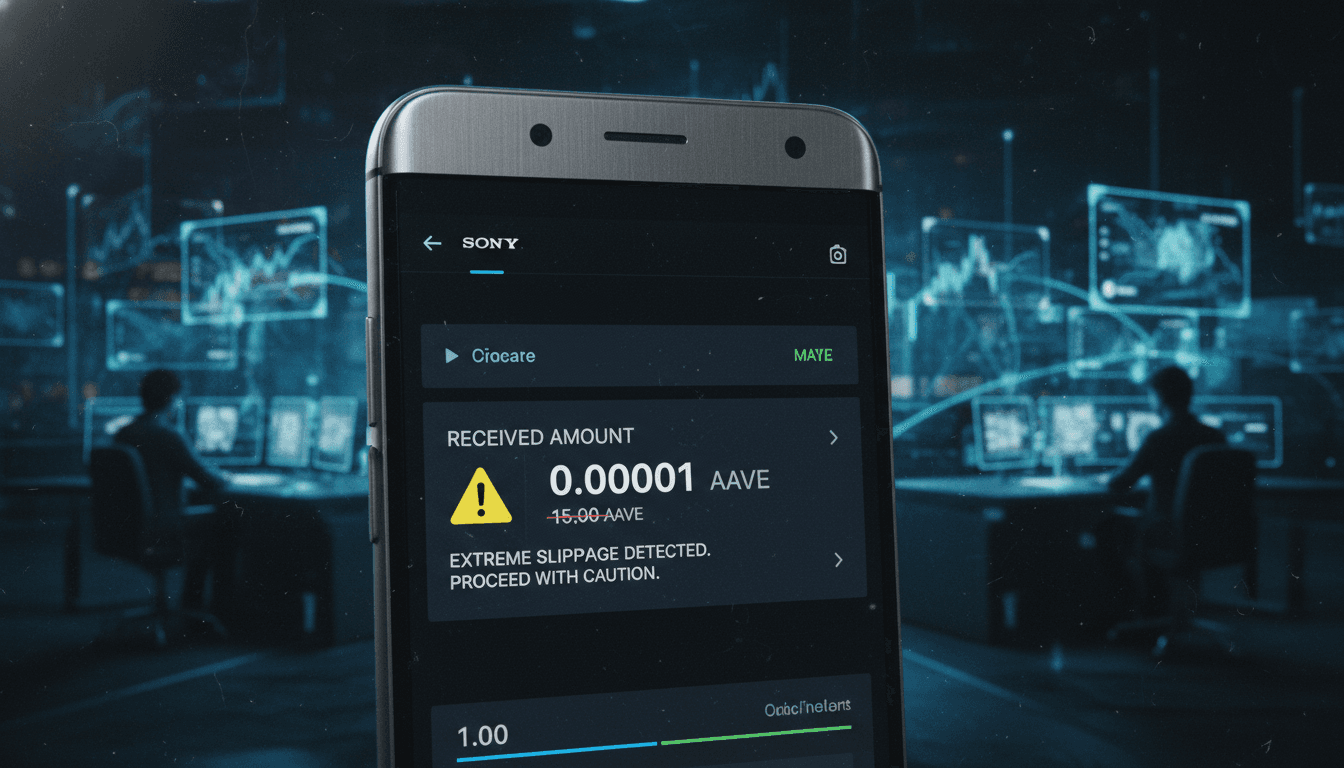
Trader loses $50 million in a single, catastrophic transaction on March 13, 2026, while attempting to swap approximately $50.4 million in USDT for AAVE tokens on the Aave decentralized finance (DeFi) platform. This stunning incident resulted in the anonymous user receiving a mere 324 AAVE tokens, valued at roughly $36,000, due to extreme slippage exceeding 99%.
The unfortunate event unfolded when the trader initiated the swap through Aave’s intuitive interface, which subsequently routed the transaction via CoW Protocol and several DeFi liquidity pools. Critically, the exceptionally large order ultimately landed in a SushiSwap pool with extremely limited liquidity, estimated at only about $73,000, setting the stage for the devastating outcome.
Aave’s Warnings and User Responsibility
Aave founder Stani Kulechov confirmed that the platform’s interface had indeed displayed explicit warnings regarding the unusually large order size and the significant potential for extreme slippage. These warnings necessitated the user’s acknowledgement and confirmation of the inherent risk via a checkbox on a mobile device before the transaction could proceed. Despite these clear alerts, the trader completed the transaction. Aave engineer Martin Grabina further clarified that the core issue stemmed primarily from the extreme price impact of such an enormous order, rather than merely slippage settings, as the accepted quote already indicated an almost total loss.
The Role of MEV Bots and Arbitrage
In the immediate aftermath of the disastrous swap, Maximal Extractable Value (MEV) bots swiftly intervened to capitalize on the market inefficiency. One prominent MEV operator, Titan Builder, reportedly captured an astonishing approximately $34 million in ETH through rapid arbitrage, with another MEV bot operator securing about $10 million. This highlights the sophisticated nature of the DeFi ecosystem and the speed at which opportunities are exploited, even from user error.
“Liquidity is the best protection for users.”
Aave has expressed genuine sympathy for the affected trader and has indicated plans to contact them directly to refund approximately $600,000 in fees collected from the transaction. In a gesture of goodwill, CoW DAO also committed to refunding any protocol fees associated with the ill-fated trade. This response underscores a commitment to user welfare within the permissionless DeFi space.
Debate on DeFi Safeguards and Future Protections
The incident has ignited a fervent debate within the crypto community regarding the urgent need for stronger safeguards in decentralized finance platforms. The challenge lies in preventing such significant user errors while meticulously preserving the fundamental permissionless nature of DeFi. Some critics, including former Aave contributor Marc Zeller, suggested that earlier iterations of the protocol featured more robust protective measures that may have inadvertently weakened over time. Binance founder Changpeng Zhao weighed in on the incident, succinctly emphasizing that “liquidity is the best protection for users.” This significant trader loses $50 million event serves as a stark reminder of the volatile nature of DeFi and the critical importance of understanding market dynamics, especially liquidity, before executing large-scale transactions.
Ultimately, this shocking episode where a trader loses $50 million underscores the double-edged sword of DeFi: immense potential paired with substantial risks for the unwary. While platforms like Aave strive for user autonomy, the responsibility to understand the nuances of liquidity and slippage remains paramount for participants in this rapidly evolving financial frontier.