Solar energy fraud on a scale rarely seen in the history of California’s renewable energy sector has reached a definitive legal conclusion. A prominent Bay Area lawyer has been sentenced to 11 years in federal prison for his pivotal role in a nearly $1 billion Ponzi scheme that exploited green energy incentives and deceived some of the world’s most sophisticated investors. The sentencing, handed down on Tuesday, marks the culmination of a multi-year investigation into a web of deceit that promised a sustainable future but delivered only financial ruin.
The Mechanics of the Solar Energy Fraud
The core of the deception revolved around DC Solar, a company that purported to manufacture mobile solar generator units (MSGs). These units were marketed as versatile power sources for cell towers and sporting events, providing clean energy in remote locations. However, federal investigators revealed that the vast majority of these units—roughly 17,000 out of 17,600—simply did not exist. The lawyer in question facilitated the legal framework and financial structures that allowed this mirage to persist for years.
The scheme functioned by selling these non-existent generators to investors through complex lease-back arrangements. Investors would purchase the equipment, then lease it back to a secondary company that would supposedly find end-users for the power. The primary lure was not the rental income, but the massive federal tax credits associated with renewable energy investments. By the time the house of cards collapsed, the conspirators had orchestrated a solar energy fraud that had syphoned off nearly $1 billion in capital.
“This was a masterpiece of financial engineering designed to mask a total absence of physical assets, turning the promise of green technology into a vehicle for old-fashioned greed.”
The Bay Area lawyer served as a critical gatekeeper, providing the legal legitimacy required to secure funding from major financial institutions. By drafting fraudulent documents and overseeing the movement of funds, the defendant ensured that the Ponzi-style payments—using new investor money to pay off old investors—remained hidden from auditors and regulatory bodies. This level of professional complicity is what allowed the solar energy fraud to grow to such a staggering magnitude before the first red flags were officially raised.
The Victims and the Human Impact
While the dollar amounts are dominated by institutional losses, including a well-known multinational conglomerate that lost hundreds of millions, the human impact extends to the taxpayers who funded the exploited tax credits. The scheme effectively stole from the public purse by claiming incentives for equipment that never generated a single kilowatt of power. Furthermore, smaller investment groups and individual stakeholders found their portfolios decimated when the FBI and IRS finally moved in.
The deception was maintained through a lifestyle of extreme luxury. Prosecutors detailed how the proceeds of the solar energy fraud were used to purchase a fleet of classic cars, professional sports sponsorships, and high-end real estate. For the victims, the sight of their capital being liquidated into private jet travel and luxury box seats at stadiums was a bitter pill to swallow. You can read more about similar patterns in our related fraud investigations into executive misconduct.
How the Investigation Unraveled
The downfall of the operation began when internal inconsistencies in the company’s equipment tracking systems were flagged during a routine audit. When investigators attempted to verify the physical existence of the MSGs using GPS data and serial numbers, they found a trail of duplicates and fabrications. The FBI’s subsequent raid on the company’s headquarters and the lawyer’s offices in 2018 yielded a trove of digital evidence, including internal communications that discussed the “ghost” units.
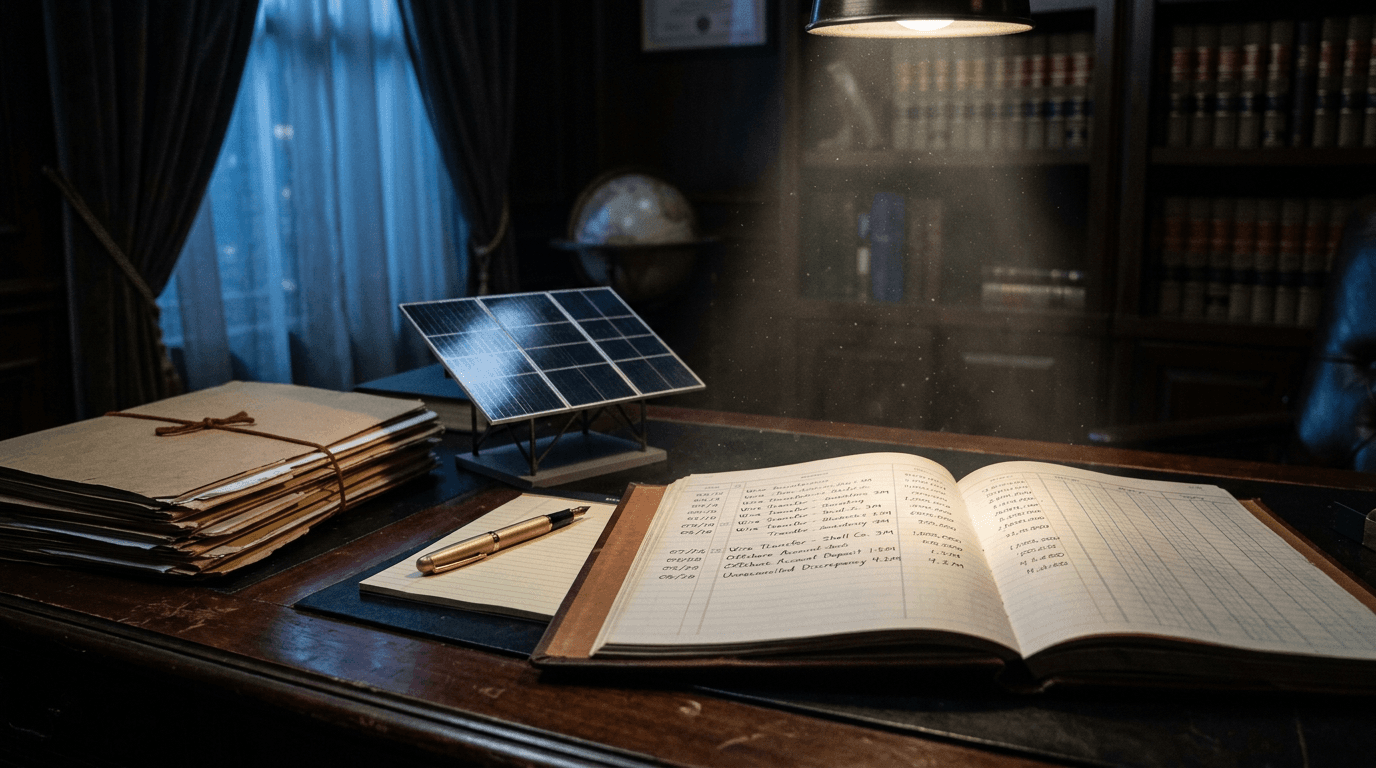
Federal agents utilized forensic accounting to trace the flow of nearly $1 billion through a labyrinth of shell companies. The Bay Area lawyer’s involvement became undeniable as records showed he had authorized transfers that were clearly intended to settle debts with earlier investors rather than fund manufacturing. This evidence formed the backbone of the government’s case, leading to the 11-year sentence and a mandate for significant restitution. This case stands as a warning to those in the legal profession who believe their bar license provides a shield against criminal prosecution in related fraud investigations.
Lessons and Red Flags for Investors
The sentencing of this Bay Area lawyer provides a grim case study in the necessity of physical due diligence. To avoid falling victim to solar energy fraud or similar equipment-based schemes, investors must look beyond the balance sheet. The first red flag in this case was the sheer consistency of the returns in a volatile energy market; any investment that promises high returns with zero risk and massive tax benefits requires extreme scrutiny.
Secondly, the lack of third-party verification for physical assets is a fatal oversight. Investors should insist on independent, on-site inspections of the equipment they are purchasing. Relying solely on the word of a company’s internal legal counsel or a single law firm can create a single point of failure. If the legal and financial structures of an investment are too complex for a standard accountant to explain, it is often by design to hide the underlying rot. As the renewable energy sector continues to grow, the vigilance of both regulators and private investors must remain the first line of defense against those who would exploit the green transition for illicit gain.