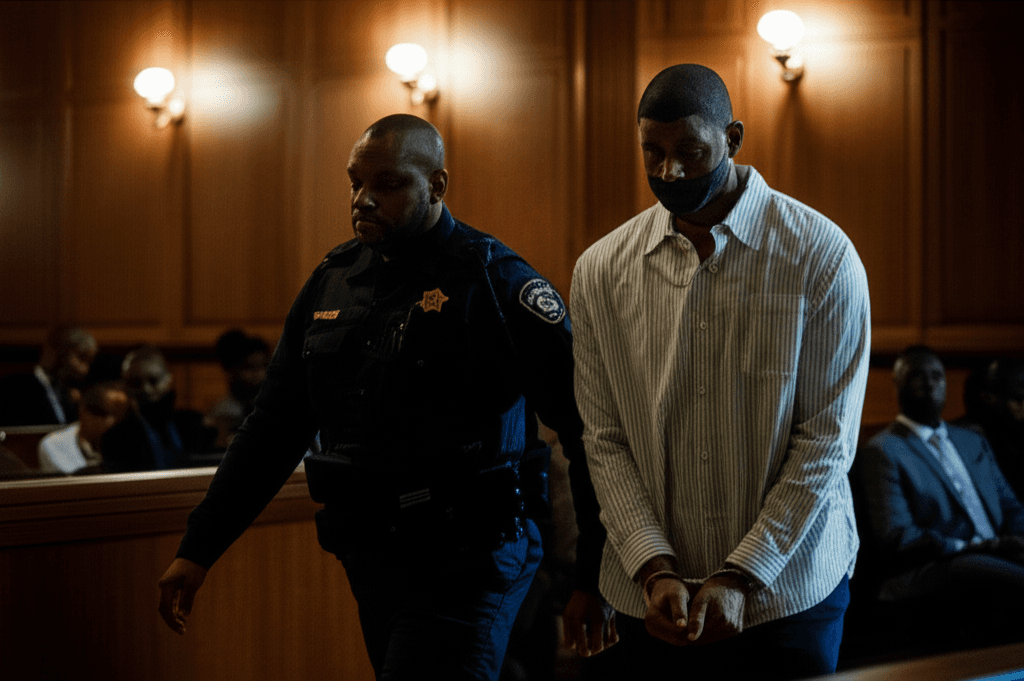
Romance scam fraud, a particularly insidious form of financial crime, has resulted in the jailing of a Nigerian national for 19 years after he masterminded a scheme that defrauded victims of over $4 million. Leslie Chinedu Mba, a 40-year-old residing illegally in Houston, Texas, was sentenced in federal court after pleading guilty to conspiracy to commit wire fraud and conspiracy to make false statements in immigration documents.
The Mastermind Behind the Deception
Mba’s sentencing marks the culmination of an investigation into a sophisticated operation that spanned multiple years and involved numerous co-conspirators. U.S. Attorney Nicholas J. Ganjei emphasized the severity of the crimes, highlighting the devastating impact on victims, particularly senior citizens, who were targeted through romance scams.
How the Scheme Worked
The related fraud investigations revealed a multi-layered fraud. The scheme originated overseas, where collaborators gained unauthorized access to legitimate business email accounts. These hackers redirected payments, intended for genuine transactions, into fraudulent bank accounts controlled by Mba and his associates. Victims, believing they were sending funds to legitimate businesses, unwittingly deposited money into accounts used by the fraud ring.
The Victims of Romance Scam Fraud
The U.S. Attorney’s Office, Southern District of Texas, detailed how between April 2018 and December 2023, Mba and his network executed both romance scams and business email compromise (BEC) fraud. The romance scams specifically targeted vulnerable individuals, often elderly, manipulating their emotions to extract funds. The business email compromise element involved impersonating legitimate businesses to divert payments. The total losses inflicted by this criminal enterprise reached approximately $4 million.
“Romance scams are among the lowest and most despicable forms of fraud because they prey upon the lonely and vulnerable, and disproportionately victimise senior citizens,”
Unraveling the Web of Deceit
The investigation, led by the FBI, uncovered Mba’s role as a key figure in laundering the stolen funds. He and his co-conspirators acted as money mules, opening and utilizing bank accounts to receive and transfer the illicit proceeds. Further investigation revealed Mba’s attempts to fraudulently obtain U.S. permanent residency through multiple sham marriages after his initial immigration application was denied and he was ordered to be removed from the country. This added another layer to his criminal activities and demonstrated his blatant disregard for the law.
Consequences and Justice Served
In addition to Mba’s 19-year prison sentence, four other individuals involved in the scheme – Grace Morisho, Rodgers Kadikilo, Kristin Smith, and Alexandra Golovko – have also been convicted and sentenced. Morisho, Kadikilo, and Smith received prison terms ranging from 15 to 25 months, while Golovko was sentenced to five years’ probation. Mba will face removal proceedings to Nigeria after serving his sentence. The sentences reflect the seriousness of the charges and the significant financial harm caused by this romance scam fraud.
Lessons Learned and Red Flags to Watch For
This case serves as a stark reminder of the dangers of online fraud and the importance of vigilance. Individuals should be wary of unsolicited emails or messages, especially those requesting financial assistance. Red flags include requests to send money to unfamiliar accounts or to keep the relationship secret. Businesses should implement robust cybersecurity measures to protect their email systems from compromise. The fight against romance scam fraud requires a collective effort, with individuals, businesses, and law enforcement working together to prevent these devastating crimes.