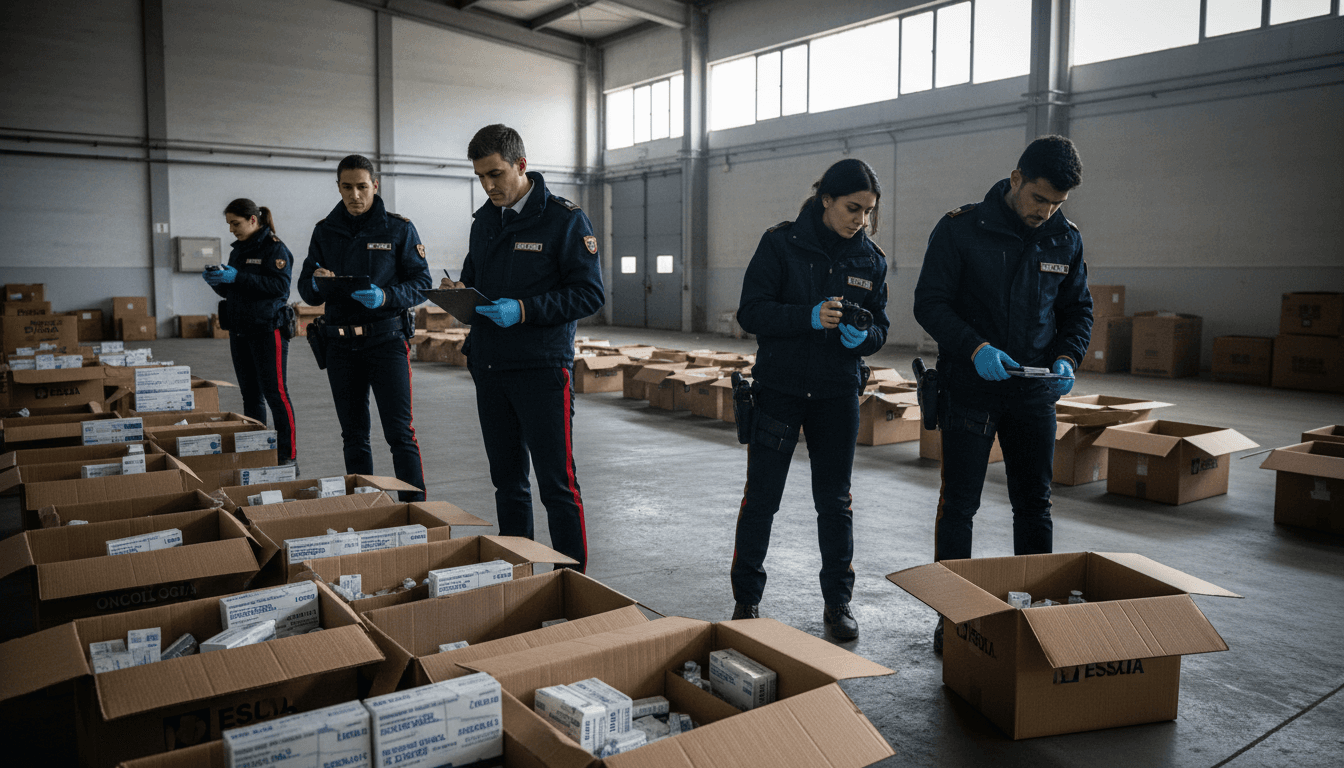
A gang busted in Reggio Emilia for cancer drug theft worth millions of euros marks a significant disruption in the illicit trade of vital pharmaceuticals. Six individuals were arrested in connection with the sophisticated operation, which saw high-value cancer medications diverted from legitimate supply chains, raising serious concerns about patient safety and the integrity of the healthcare system.
The arrests, confirmed on Sunday, April 26, 2026, by lamilano.it, highlight the persistent vulnerability of the pharmaceutical industry to organized crime. While specific details regarding the identities of those arrested or the exact mechanisms of the theft remain under wraps as investigations proceed, the sheer value of the stolen drugs underscores the profitability of such illicit ventures. Millions of euros in cancer drugs represent not just a financial loss, but a direct threat to the lives of patients awaiting these critical treatments.
Impact Analysis
The busting of this gang in Reggio Emilia sends a strong message to criminal organizations attempting to exploit the healthcare sector. Such thefts are not merely property crimes; they are crimes against public health. Diverted pharmaceuticals often re-enter the market through unregulated channels, risking improper storage, counterfeiting, or expiration, all of which can render them ineffective or even dangerous. This incident will likely prompt a re-evaluation of security protocols across pharmaceutical distribution networks, from manufacturing facilities to hospitals.
Law enforcement agencies across Europe have been increasingly focusing on pharmaceutical crime, recognizing its high profit margins and relatively low perceived risk compared to other illicit trades. The successful operation in Reggio Emilia demonstrates the effectiveness of intelligence-led policing in dismantling these complex networks. It also emphasizes the transnational nature of such crimes, as stolen drugs often cross borders before reaching their intended illicit markets.
“The theft of life-saving medications is a particularly egregious form of organized crime, preying on the most vulnerable and undermining public trust in healthcare supply chains.”
The financial implications for pharmaceutical companies and healthcare providers are substantial, extending beyond the direct loss of inventory to include reputational damage and increased insurance premiums. For patients, the impact is immeasurable, potentially leading to treatment delays, compromised health outcomes, and increased anxiety.
Context & Background
The illicit trade in pharmaceuticals is a global problem, estimated to be worth billions annually. While counterfeiting often grabs headlines, the diversion of legitimate, high-value drugs, particularly those used in oncology, is a growing concern. These drugs are often expensive, have a high demand, and can be relatively easy to resell on black markets, especially in regions with limited access to legitimate healthcare or where regulatory oversight is weak. Previous incidents have involved insider collusion, sophisticated logistics, and international distribution networks, making these crimes difficult to detect and prosecute.
Italy, with its strategic geographic position and extensive port infrastructure, has unfortunately been a transit point and sometimes a target for various forms of organized crime, including the trafficking of illicit goods. The focus on cancer drug theft in Reggio Emilia highlights a specific vulnerability within the country’s pharmaceutical supply chain that authorities are actively addressing.
What’s Next
The six individuals arrested are expected to face charges related to theft, organized crime, and potentially public health offenses. The investigation will undoubtedly broaden to identify any further accomplices, the specific points of theft within the supply chain, and the intended distribution channels for the stolen cancer drugs. Authorities will be keen to trace the full extent of the network and recover as much of the stolen medication as possible, though the integrity of any recovered drugs will need rigorous verification before they could ever be considered for patient use.
This case may also spur legislative action or enhanced regulatory measures aimed at tightening security around high-value pharmaceuticals. Expect increased collaboration between law enforcement, pharmaceutical manufacturers, and healthcare providers to implement more robust tracking systems and security protocols. The long-term implications could include a push for greater transparency in the pharmaceutical supply chain and more severe penalties for those involved in such illicit activities.
Key Takeaway
The successful operation to bust a gang involved in cancer drug theft in Reggio Emilia underscores the critical ongoing battle against organized crime’s infiltration of the pharmaceutical sector. This incident serves as a stark reminder that the fight against crime extends beyond traditional illicit goods to encompass vital medical supplies, impacting not only financial markets but the very health and well-being of communities globally. Robust and coordinated efforts are essential to protect the integrity of healthcare systems and ensure that life-saving medications reach those who desperately need them.