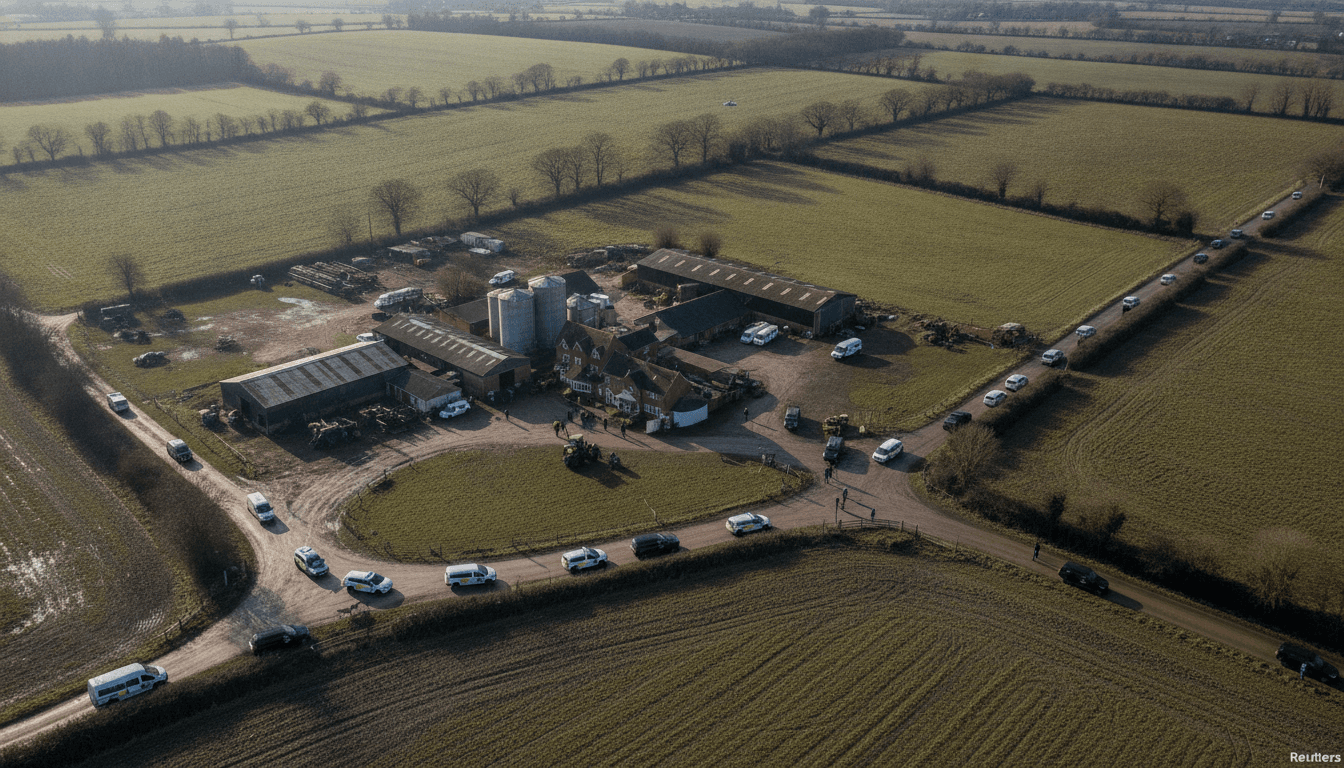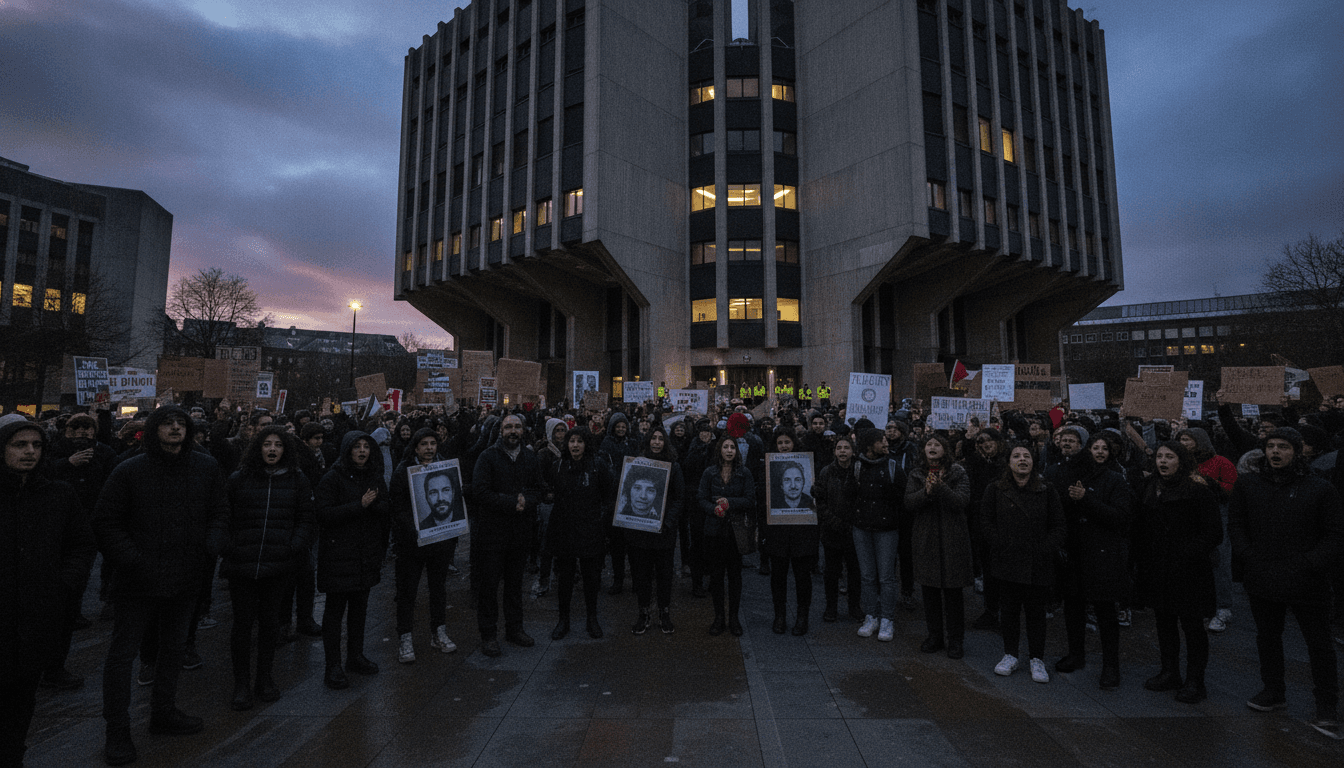
ANTWERP & BRUSSELS – April 1, 2026 – Radja Nainggolan, the prominent Belgian professional footballer, has been formally charged with concealing the nature, origin, location, or ownership of criminal assets. The development comes as authorities around Antwerp and Brussels continue their expansive investigation into a sophisticated cocaine trafficking network. Nainggolan, 37, was detained and questioned on Wednesday morning as part of ongoing proceedings.
The Charges Against Radja Nainggolan
The former international midfielder is not accused of direct involvement in drug trafficking, but rather of alleged money laundering and participation in a criminal organization. The Brussels public prosecutor’s office announced its intention to bring Nainggolan before the criminal court in October 2025, a decision that was postponed but ultimately confirmed by the Brussels chamber of indictment on March 23, 2026. He faces a maximum sentence of five years in prison if convicted of the money laundering charge.
The core of the allegations centers on financial transactions between Nainggolan and Nasr-Eddine Sekkaki, described as a “gangster friend” and a central figure in the wider drug investigation. Between September 2023 and March 2024, Nainggolan reportedly received a total of €105,500 from Sekkaki. These sums were often delivered in cash, sometimes in new €100 notes, including one instance of €30,000 cash. While Nainggolan initially claimed to have lent money to friends “out of joviality,” he later admitted to borrowing from Sekkaki due to significant financial difficulties stemming from a divorce and gambling debts, which he stated had led to his bank accounts being frozen.
Investigators further allege that Nainggolan repaid these funds by depositing them into Sekkaki’s mother’s account, with some transactions controversially labeled as “construction investment.”
Scale of the Alleged Crime
While Radja Nainggolan’s direct involvement focuses on the €105,500 in transactions with Sekkaki, this forms part of a much larger criminal enterprise. The broader cocaine trafficking network is suspected of trading at least 40 kilograms of cocaine in Brussels in recent months. During extensive raids, authorities confiscated a staggering €330,430 in cash, alongside several luxury watches (two valued at approximately €360,000 each), jewelry, high-end goods, two bulletproof vests, multiple firearms, 2.7 kilograms of cocaine, and 14 vehicles.
The investigation, which began in 2023 following intelligence implicating a man identified as S.A. in orchestrating drug imports, has uncovered a complex web of illicit activities.
Who Is Radja Nainggolan?
Born on May 4, 1988, Radja Nainggolan is a 37-year-old Belgian professional footballer known for his tenacious style as a central midfielder. He spent the majority of his career in Italy, playing for clubs such as Piacenza, Cagliari, Roma, and Inter Milan. He also had a stint with Royal Antwerp and currently plays for Patro Eisden in the Challenger Pro League. Nainggolan earned 30 caps for the Belgian national team, scoring six goals, and represented his country at Euro 2016. Throughout his career, he has also been known for a ‘bad boy’ image, marked by previous disciplinary issues and a controversial lifestyle.
Investigation Details
The Brussels public prosecutor’s office and the Brussels Federal Judicial Police are leading the investigation. Nainggolan’s name surfaced during the extensive probe into cocaine trafficking from South America to Europe via the port of Antwerp. The financial dealings between him and Nasr-Eddine Sekkaki, a figure with over 30 convictions for crimes including drugs, violence, and robbery, raised immediate red flags for investigators.
“The alleged financial ties between a high-profile individual and a known criminal with a lengthy rap sheet are precisely the kind of connections that demand rigorous scrutiny in money laundering investigations. The ‘construction investment’ labeling on repayments raises significant questions about the true nature of these transactions.”
Nainggolan was initially arrested in Antwerp on January 27, 2025, as part of a major operation involving 30 house searches. After spending one night in custody, he was charged with participation in a criminal organization and released on conditions on January 28, 2025. His lawyers at the time stated he was questioned about money given to acquaintances, not drug trafficking directly. The recent referral to the correctional court signifies a significant progression in the legal proceedings.
What Happens Next
With the Brussels chamber of indictment’s decision on March 23, 2026, Radja Nainggolan, along with 15 other suspects, will now face trial before the correctional court. The exact date for the court proceedings has not yet been announced. Nainggolan remains charged with concealing the nature, origin, location, or ownership of criminal assets, an offense that carries a maximum sentence of five years in prison. There is no publicly available information regarding specific asset freezes against Nainggolan. The broader investigation into the cocaine trafficking network is expected to continue.
For more insights into complex financial crimes, explore our related fraud investigations.
Protecting Yourself: Red Flags to Watch For
This case serves as a stark reminder of several red flags often associated with financial misconduct. Individuals, particularly those in high-profile positions, should exercise extreme caution regarding associations with known criminals or individuals with suspicious financial histories. Large cash transactions, especially from unverified or illicit sources, are a major warning sign. Any unusual explanations for financial dealings, particularly those that shift over time, should be scrutinized. Furthermore, personal financial difficulties, such as gambling debts or divorce settlements, can create vulnerabilities that criminal organizations exploit. Maintaining transparency in financial records and seeking legitimate financial advice are crucial steps in avoiding entanglement in illicit schemes. Always be wary of requests to funnel money through third-party accounts or to label transactions deceptively.