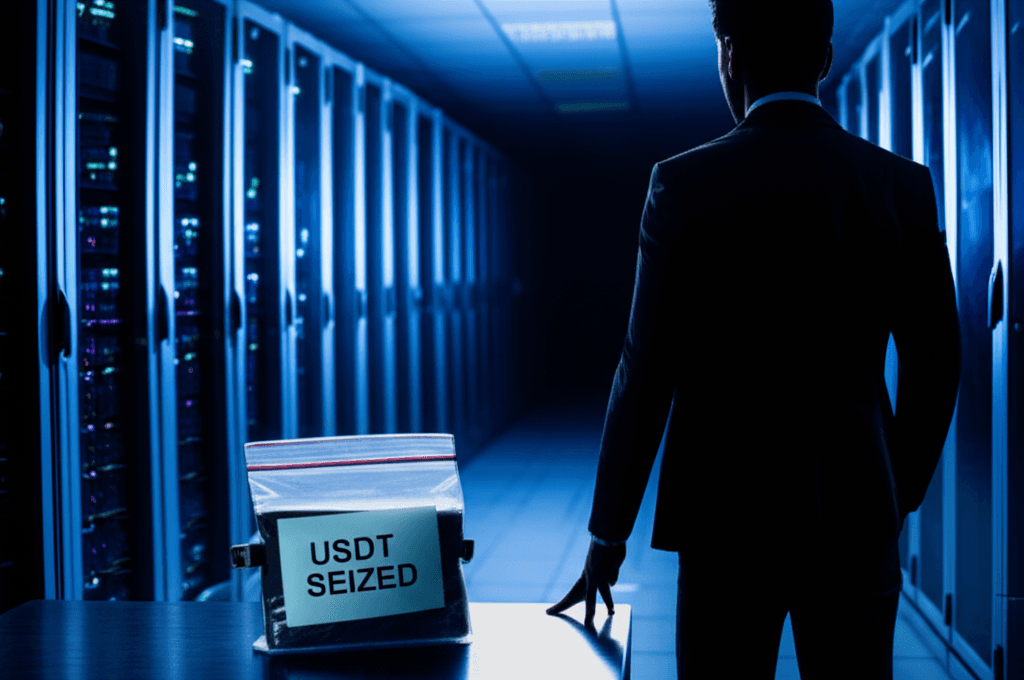
The sprawling “pig butchering” scam has taken a major hit as North Carolina prosecutors recently seized $61 million in USDT. Federal agents successfully traced and seized the cryptocurrency, marking a significant victory against this insidious form of online fraud. The U.S. Attorney’s Office for the Eastern District of North Carolina is leading the charge against these sophisticated scammers who prey on vulnerable individuals seeking connection and investment opportunities.
How the Scheme Worked
The “pig butchering” scam, as it’s chillingly known, operates on a foundation of deception and emotional manipulation. Scammers cultivate fake romantic relationships online, often over weeks or months, building trust and rapport with their victims. Once a sufficient level of trust is established, the scammers introduce the topic of cryptocurrency investment, touting high-return strategies and directing victims to fraudulent trading platforms. These platforms showcase fabricated gains to further entice victims into investing larger sums.
The illusion crumbles when victims attempt to withdraw their purported profits. Scammers then block the withdrawals or demand additional payments in the form of bogus “taxes” or “fees,” effectively trapping victims and extracting even more money. The stolen funds are then rapidly moved through a complex network of cryptocurrency wallets to obscure their origin and ownership, making them difficult to trace.
The Victims of Pig Butchering
The victims of pig butchering scams are often left emotionally and financially devastated. They are lured in by the promise of romance and financial security, only to be betrayed and defrauded. The emotional toll of realizing that a seemingly genuine relationship was a complete fabrication can be profound. The financial losses can range from modest sums to life savings, leaving victims with shattered dreams and a deep sense of betrayal. The anonymity afforded by cryptocurrency makes it easier for these criminals to operate across borders, making it even more difficult to bring them to justice. The related fraud investigations show that anyone can be a victim.
How It Unraveled
In this particular case, investigators from Homeland Security Investigations (HSI) meticulously tracked the flow of funds stolen from victims through a complex web of cryptocurrency wallets. By following the digital trail, agents were able to identify accounts that still held substantial balances linked to the scheme. These accounts were then targeted for seizure and forfeiture. The success of this investigation highlights the increasing sophistication of law enforcement in tracing and recovering illicit cryptocurrency assets.
Consequences of the Pig Butchering Seizure
The seizure of $61 million in USDT represents a significant blow to the pig butchering scam network. While no arrests or charges have been explicitly mentioned in connection to this specific seizure, it sends a clear message that law enforcement is actively pursuing these criminals and will seize their ill-gotten gains. The U.S. Attorney’s Office for the Eastern District of North Carolina is committed to using asset forfeiture to strip criminals of the profits they derive from their fraudulent activities, as stated by U.S. Attorney Ellis Boyle:
“The seizure of a staggering $61 million worth of funds linked to cryptocurrency fraud shows that, in the Eastern District of North Carolina, cheaters never win. Our asset forfeiture team worked along with HSI to take the profit out of crime.”
Lessons & Red Flags
Several red flags can help individuals avoid becoming victims of pig butchering scams. Be wary of online relationships that develop quickly and intensely, especially if the other person avoids meeting in person or video chatting. Exercise extreme caution when discussing finances or investment opportunities with someone you’ve met online. Never send money to someone you haven’t met in person, and be skeptical of investment opportunities that promise unrealistically high returns. Always do your own research and consult with a qualified financial advisor before making any investment decisions.
Source: The Block