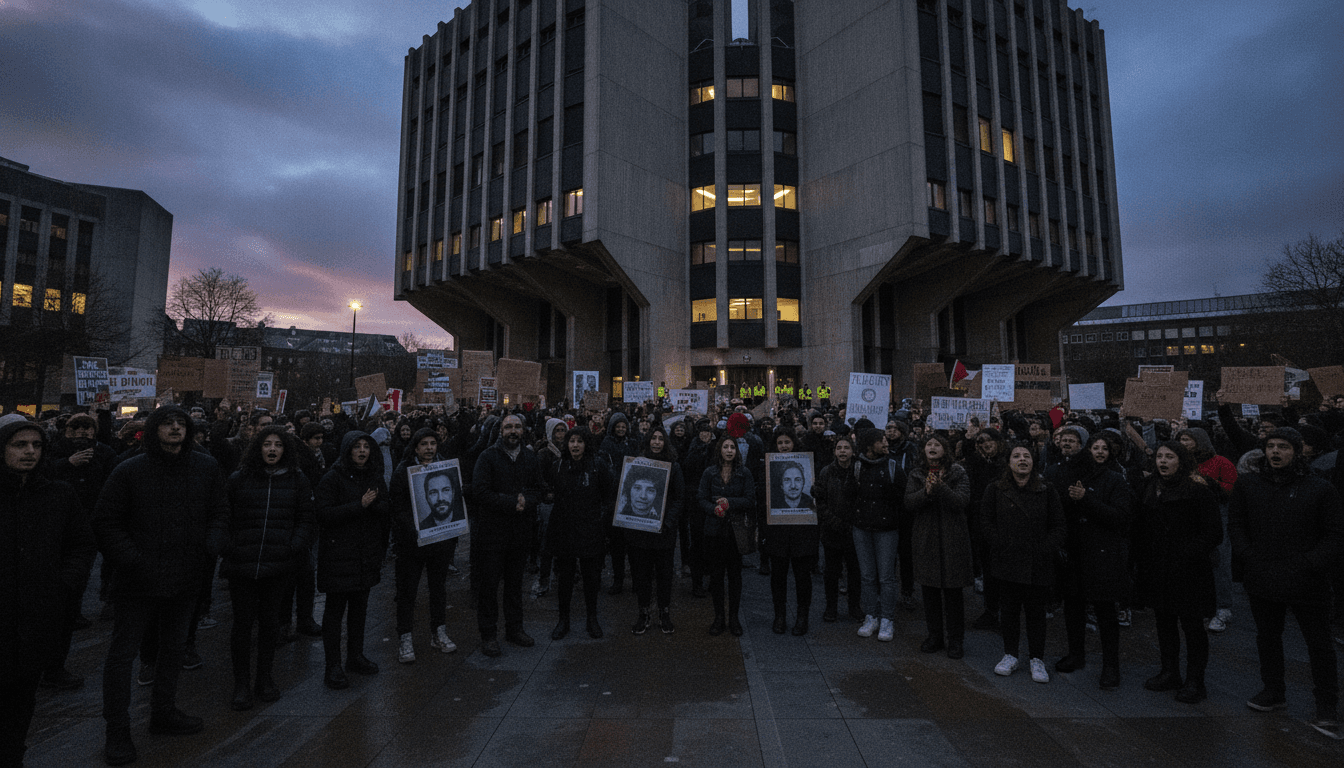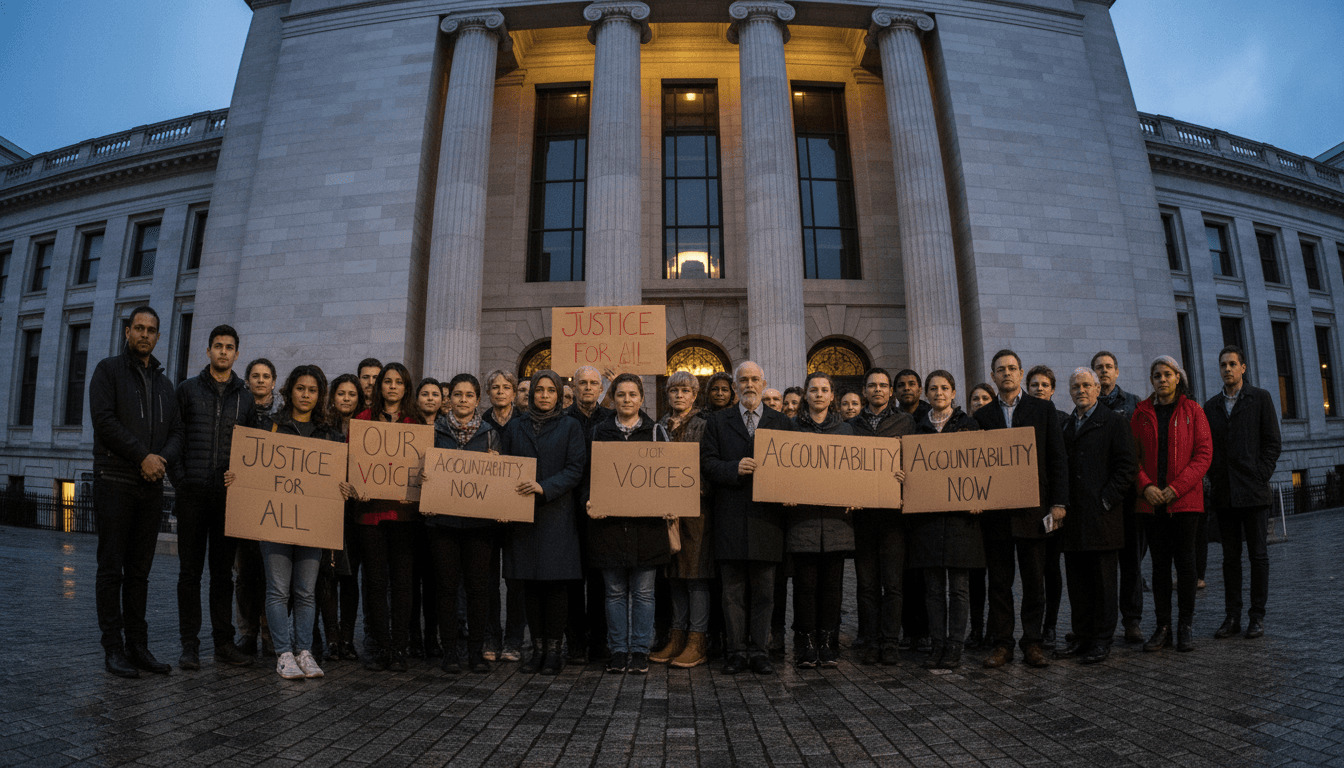
The Nasrapur rape-murder case has ignited a renewed public demand for swift justice, with Chief Minister Fadnavis vowing a fast-track trial and seeking the death penalty for the accused. This commitment, made on Sunday, May 3, 2026, by the Chief Minister, underscores the immense pressure on the justice system to deliver rapid and decisive outcomes in cases of extreme violence against women, particularly those that shock the public consciousness.
The Story: Nasrapur Rape-Murder
The incident in Nasrapur, the specific details of which have not been publicly elaborated beyond its classification as a rape-murder, has prompted a strong governmental response. While the identities of the victim and the accused have not been released in the provided source material, the gravity of the crime is evident in the Chief Minister’s immediate and unequivocal pledge. Fadnavis’s statement signals a clear intention to expedite legal proceedings, bypassing the often-protracted timelines associated with criminal trials in India. The call for a death penalty, even at this early stage, reflects the severity with which the state views this particular crime and its potential to act as a deterrent.
Impact Analysis
The Chief Minister’s intervention in the Nasrapur rape-murder case carries significant weight for the broader crime and justice landscape. His public declaration for a fast-track trial sets a precedent, potentially influencing how similar high-profile cases are handled across the state. Such pronouncements can accelerate judicial processes, but also raise questions about potential pressures on the judiciary to conform to public and political expectations. The demand for the death penalty, while reflecting public outrage, also reignites debates surrounding capital punishment’s efficacy and ethical implications within the Indian legal framework. This case will undoubtedly be watched closely by legal experts and human rights organizations, analyzing the balance between swift justice and due process.
“The Chief Minister’s pledge for a fast-track trial and the death penalty for the accused in the Nasrapur rape-murder case highlights the growing societal demand for immediate and stringent justice in heinous crimes.”
Furthermore, the focus on a fast-track mechanism aims to address the common criticism of delayed justice, which often leads to public frustration and a perceived erosion of faith in the legal system. The outcome of this trial could serve as a benchmark for future cases, demonstrating the state’s capability, or lack thereof, to deliver justice efficiently. This approach is particularly relevant in the context of related crime & justice articles that often discuss judicial backlogs and the need for systemic reforms.
Context & Background
India has a history of highly publicized rape and murder cases that have led to significant public outcry and legislative changes. Incidents like the 2012 Delhi gang rape case, for instance, spurred nationwide protests and led to the Criminal Law (Amendment) Act, 2013, which introduced stricter penalties for sexual offenses. The ongoing challenges of ensuring women’s safety and delivering timely justice remain critical issues. Fast-track courts have been a recurring solution proposed by governments, though their effectiveness has been varied, often hampered by resource constraints and procedural complexities. The Nasrapur rape-murder case thus fits into a broader pattern of societal demand for accountability and governmental responses aimed at bolstering public confidence in the justice system.
What’s Next
Following Chief Minister Fadnavis’s declaration, the immediate next steps will involve the police investigation concluding swiftly, followed by the filing of a charge sheet. The judiciary will then be tasked with establishing a dedicated fast-track court or designating an existing court to handle the Nasrapur rape-murder proceedings with priority. The legal battle over the death penalty, should the accused be convicted, is likely to be prolonged, involving appeals to higher courts. Public and media scrutiny will remain intense throughout the trial, influencing both the legal process and the political narrative surrounding crime and justice.
Key Takeaway
The Nasrapur rape-murder case is more than an isolated incident; it represents a critical juncture for India’s justice system. Chief Minister Fadnavis’s emphatic commitment to a fast-track trial and the pursuit of the death penalty reflects both the profound societal outrage over such crimes and the political imperative to respond decisively. The handling of this case will be a significant test of the state’s ability to balance the demand for swift, stringent justice with the fundamental principles of due process, setting a precedent for future responses to heinous crimes and shaping public perception of the nation’s commitment to safety and accountability. The broader implications of this trial’s outcome will undoubtedly resonate across the legal, social, and political spheres, influencing discussions on judicial reform and capital punishment for years to come, as explored in many related crime & justice articles.