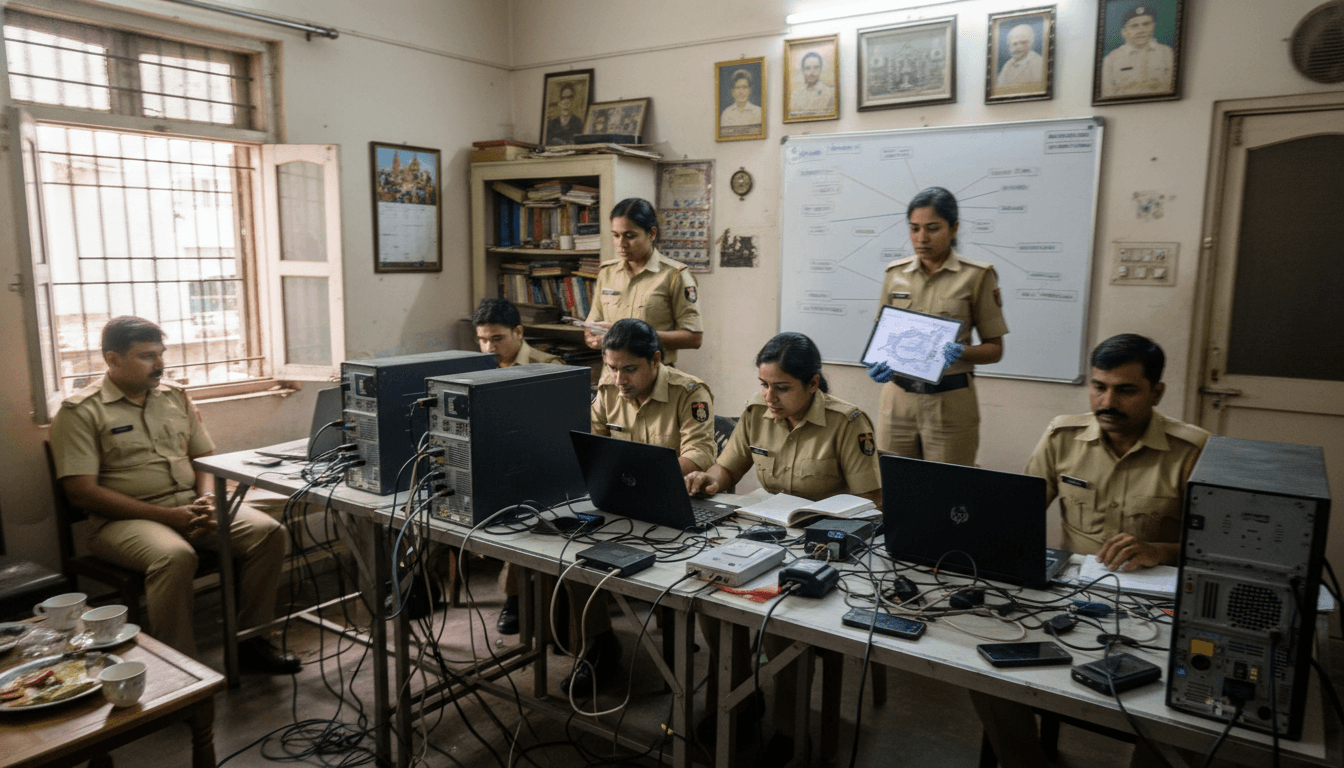
A massive cyber crime network operating out of Hardoi, Uttar Pradesh, has been dismantled by UP Police, leading to the arrest of a 2019 B.Tech graduate on Wednesday, May 20, 2026. The individual stands accused of circulating explicit content, underscoring the escalating challenge of digital illicit activities and the evolving strategies law enforcement must employ to combat them.
The operation represents a significant victory for the UP Police Cyber Cell, which has been intensifying its efforts against online criminal enterprises. The arrested graduate, whose identity has not been publicly released by authorities, was reportedly a central figure in the network. Details emerging from the investigation suggest a sophisticated operation, leveraging digital platforms for the dissemination of explicit material, a crime with far-reaching societal and psychological implications for victims.
Impact Analysis
The successful bust of this massive cyber crime network in Hardoi highlights the increasing sophistication of cybercriminals and the persistent threat they pose to digital security and public safety. This incident serves as a stark reminder that online illicit activities are not confined to major metropolitan areas but can originate from and impact communities nationwide. Law enforcement agencies, including the UP Police, are continuously adapting their methodologies, investing in digital forensics, and training personnel to tackle these complex cases. The arrest of a B.Tech graduate, an individual with technical expertise, further illustrates the need for a multi-pronged approach that includes not only enforcement but also educational initiatives to prevent skilled individuals from being drawn into criminal enterprises.
This case also brings into sharp focus the pervasive issue of explicit content circulation, a crime that often leaves indelible scars on victims. The digital nature of such offenses allows for rapid and widespread dissemination, making early intervention and robust legal frameworks crucial. The Financial Standard has previously covered related crime & justice articles concerning digital privacy and online exploitation, noting a consistent upward trend in reported cybercrimes across various categories.
“The dismantling of this network sends a clear message: the digital realm is not a safe haven for criminal activity. Our commitment to protecting citizens from online exploitation is unwavering.”
Context & Background
Uttar Pradesh has been a hotbed for various forms of cybercrime, ranging from financial fraud to the distribution of illicit content. The state police have been under pressure to demonstrate effectiveness in combating these technologically advanced crimes. Over the past few years, there has been a noticeable increase in reports of online fraud and digital exploitation, prompting the establishment of specialized cyber cells and increased inter-agency cooperation. This Hardoi operation is indicative of a more proactive stance by the authorities, moving beyond reactive investigations to preemptive intelligence gathering and targeted strikes against organized cybercrime rings. The involvement of a B.Tech graduate in such a network also points to the broader societal challenge of channeling technical skills towards ethical and productive ends, rather than allowing them to be weaponized for criminal purposes.
What’s Next
Following the arrest, the UP Police are expected to continue their investigation, potentially leading to further arrests as they trace the broader connections of this massive cyber crime network. The focus will likely be on identifying other members of the network, understanding their operational methodologies, and seizing any digital assets used in their illicit activities. Legal proceedings against the arrested B.Tech graduate will commence, which could set a precedent for future cases involving technically skilled individuals in cybercrime. Authorities may also issue public advisories regarding online safety and the prevention of explicit content circulation, reinforcing community awareness. The incident will undoubtedly fuel discussions on enhancing cybersecurity laws and international cooperation to tackle cross-border digital crimes more effectively. Investors and businesses operating in the digital space are keenly observing such developments, as they impact the overall security landscape and consumer trust in online platforms. Another critical aspect will be the support provided to victims affected by the circulation of explicit content, ensuring they have access to resources for reporting and recovery. This incident underscores the ongoing battle against digital crime and the need for continuous innovation in law enforcement tactics.
Key Takeaway
The bust of this massive cyber crime network in Hardoi by the UP Police highlights the persistent and evolving threat of digital criminality, particularly the insidious nature of explicit content circulation. It underscores the critical need for continuous investment in cybercrime fighting capabilities, robust legal frameworks, and public awareness campaigns to safeguard digital spaces and protect vulnerable individuals from exploitation. The involvement of a technically proficient individual in such a network also serves as a stark reminder of the ethical imperative in technological education and the societal responsibility to prevent the misuse of advanced skills.