In a saga that has reverberated through the global automotive industry and beyond, Martin Winterkorn, the former CEO of Volkswagen AG, stands accused of masterminding a colossal fraud that has cost the company billions and tainted its reputation. The estimated total legal exposure worldwide for the ‘Dieselgate’ scandal alone is a staggering €48 billion, a sum that underscores the sheer scale of the deception. As of Friday, March 13, 2026, Winterkorn’s trial in Germany for aggravated fraud and market manipulation remains in a state of suspension, a testament to the protracted and complex nature of seeking justice in such a high-profile case.
Who Is Martin Winterkorn?
Born on May 24, 1947, Martin Winterkorn is a German national whose career trajectory once epitomized success within the fiercely competitive automotive sector. A scholar of metallurgy and metal physics from the University of Stuttgart, with a doctorate from the Max-Planck-Institute, Winterkorn’s ascent through the ranks was marked by a reputation for meticulousness and an unwavering focus on engineering excellence. He served as the Chairman of the Board of Management (CEO) of Volkswagen AG from 2007 to 2015, during which time he also chaired the supervisory board of Audi and the board of management of Porsche Automobil Holding SE. Publicly, he was the face of Volkswagen’s ambitious ‘Strategy 2018,’ a bold declaration to make the company the largest and most successful car manufacturer in the world. This ambition, however, would later be scrutinized as a potential catalyst for the corporate malfeasance that ultimately defined his tenure.
The Scheme Exposed
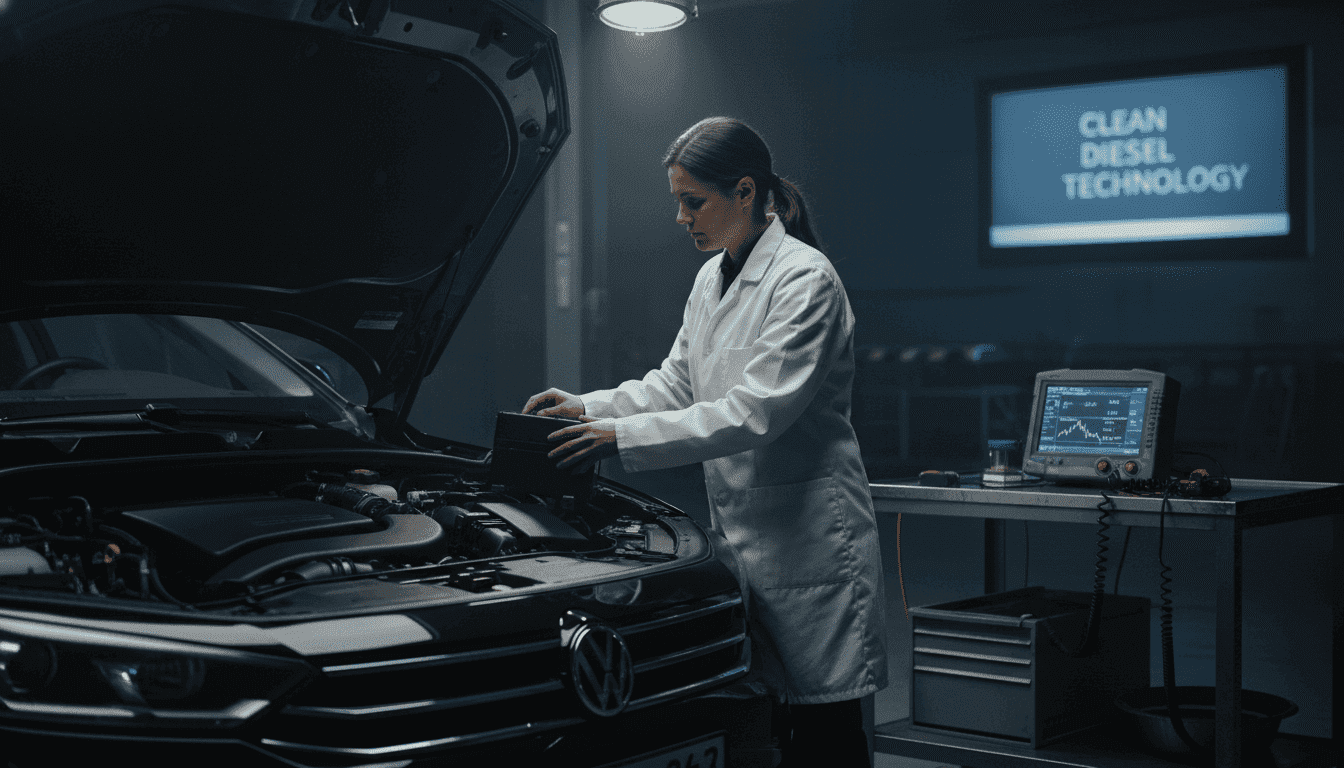
The ‘Dieselgate’ fraud was an audacious and deeply unethical scheme. Volkswagen, under Winterkorn’s leadership, intentionally programmed turbocharged direct injection (TDI) diesel engines with sophisticated ‘defeat devices.’ This software was designed to detect when a vehicle was undergoing official emissions testing. During these tests, the emissions controls would activate, ensuring the vehicles’ nitrogen oxide (NOx) output met stringent US standards. However, the moment these cars were on the open road, the software would reduce the effectiveness of these controls, causing them to emit NOx at levels up to 40 times the legal limit. This allowed Volkswagen to market its diesel cars as ‘clean diesel,’ a seemingly eco-friendly alternative, while knowingly circumventing strict emissions regulations in both the United States and the European Union. The fraudulent software was installed in vehicles starting with the 2009 model year. Prosecutors allege that Winterkorn was aware of these defeat devices by May 2014, yet failed to take any remedial action.
Following the Money
The scale of Dieselgate’s financial fallout is immense. Approximately 11 million vehicles worldwide were affected, including about 500,000 in the United States. The fraudulent software touched popular models across Volkswagen, Audi, and Porsche brands. The financial repercussions for Volkswagen have been staggering, with the company paying over $33 billion in fines and compensation. Within just five days of the scandal breaking, Volkswagen’s market value plummeted by 27.4 billion euros. The company agreed to a $2.8 billion criminal fine in the US and up to $14.7 billion to settle civil charges and compensate consumers. The ultimate cost, including reputation and trust, is incalculable.
The Investigation
The unraveling of Dieselgate began not with a whistleblower from within Volkswagen, but with external scrutiny. In early 2013, researchers at West Virginia University (WVU) commenced testing on-road emissions of diesel cars. Their findings, published in May 2014 by the International Council on Clean Transportation (ICCT), exposed the glaring discrepancies in Volkswagen’s emissions performance. These critical findings were reported to the California Air Resources Board (CARB) and the US Environmental Protection Agency (EPA). The EPA, along with CARB, spearheaded the subsequent investigation, which culminated in a Notice of Violation of the Clean Air Act being issued to Volkswagen on September 18, 2015. This initiated a global cascade of investigations, with regulators in the UK, South Korea, Canada, and the US Department of Justice all scrutinizing Volkswagen’s actions. Prosecutors in Germany contend that Winterkorn was informed of the emissions cheating in May 2014 and again in July 2015, yet deliberately concealed the information.
Victims Left Behind
The Dieselgate scandal created a vast and diverse pool of victims. Approximately 11 million car owners worldwide were deceived into purchasing or leasing vehicles under false pretenses, believing they were driving environmentally conscious cars. These consumers faced diminished vehicle value and the betrayal of trust. The environment itself was a significant victim; the excessive NOx emissions contributed directly to air pollution, linked to serious respiratory and cardiovascular health issues, and premature deaths. Investors also suffered immensely, as Volkswagen’s stock price crashed, wiping out 27.4 billion euros in market value within days. Finally, regulatory agencies like the EPA and CARB were defrauded by Volkswagen’s intentional and systematic evasion of emissions standards, undermining the very framework designed to protect public health and the environment.
“The Dieselgate scandal represents a profound betrayal of public trust, demonstrating a corporate culture where profit was prioritized over ethical conduct and environmental responsibility.”
Justice & Consequences
Martin Winterkorn’s legal battles are far from over. He was criminally indicted in the United States on fraud and conspiracy charges in May 2018 and remains a fugitive there, wanted by the Environmental Protection Agency. In Germany, the Braunschweig regional court is handling his trial for aggravated fraud and market manipulation. German prosecutors allege he knew about the defeat devices by May 2014 but failed to inform markets in a timely manner. His trial, which began in September 2024, has been suspended multiple times due to health issues, most recently in July 2025, with no clear date for resumption. Winterkorn has consistently denied any wrongdoing, stating upon his resignation in September 2015 that he accepted responsibility for the irregularities but was “not aware of any wrongdoing on my part.” If convicted, the German charges could carry a sentence of up to ten years in prison. In June 2021, it was reported that Winterkorn, among other former top managers, was ordered to pay Volkswagen around €10 million in compensation.
Lessons Learned
The Dieselgate scandal was not without its red flags. As early as 2011, researchers at the European Commission’s Joint Research Centre detected major discrepancies between Volkswagen vehicle emissions in tests versus on the road. Furthermore, Bosch, a key supplier, allegedly warned Volkswagen not to use its software illegally in 2007. The ICCT/WVU study in 2014 explicitly highlighted unacceptable levels of emissions from Volkswagens in the US, reporting these findings to regulatory bodies. The prosecution’s allegation that Winterkorn was internally informed of the emissions cheating in May 2014 and again in July 2015, yet failed to disclose it, points to a deeply entrenched culture of concealment. Winterkorn’s ambitious ‘Strategy 2018’ to make Volkswagen the world’s largest car company may have fostered an environment where immense pressure to achieve targets led to corners being cut at any cost. This case serves as a stark reminder for consumers and investors alike to remain vigilant. Always scrutinize claims of exceptional performance, particularly when they seem too good to be true, and be wary of companies where aggressive growth strategies appear to overshadow ethical considerations. The long shadow of Dieselgate demonstrates the devastating consequences when corporate ambition trumps integrity, impacting not just financial markets but also public health and environmental well-being. For more information on similar cases, explore our related fraud investigations.