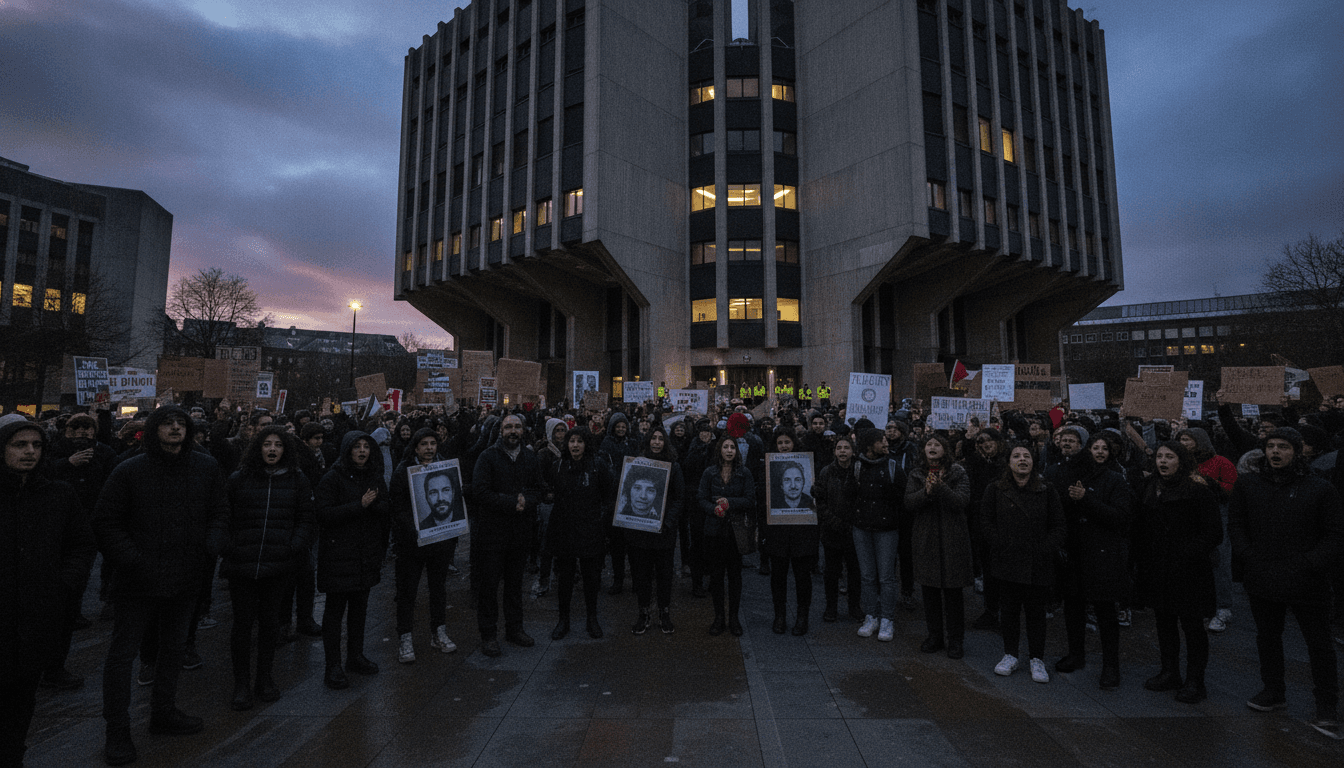
Breaking news from Munich: Markus Braun, the former CEO of Wirecard AG, remains in custody as his trial for alleged large-scale corporate fraud and balance sheet manipulation continues at the Munich Regional Court. The proceedings, which began in December 2022, are expected to extend through the remainder of the year, with Braun facing severe charges related to the collapse of the once-celebrated fintech company.
The Charges Against Markus Braun
Markus Braun is accused of orchestrating a complex scheme to inflate Wirecard’s assets and revenues, misleading investors and regulators alike. The prosecution alleges that Braun, along with other former executives, falsified business reports and manipulated the market to present a distorted picture of Wirecard’s financial health. Specifically, Braun faces charges of fraud, breach of trust, falsifying accounts, and market manipulation. The core of the accusation centers around the creation of fictitious transactions and the overstatement of Wirecard’s earnings to attract investment and maintain a high stock price.
The alleged scheme involved using “third-party acquirers” to process payments on Wirecard’s behalf, with a share of the profits supposedly returned to Wirecard. However, these relationships proved difficult to verify, and the funds purportedly held in trust by banks in jurisdictions like the Philippines could not be accounted for. This lack of transparency and the use of unauditable entities are key elements of the prosecution’s case against Markus Braun.
The Financial Times’ “House of Wirecard” series, starting in 2015, highlighted many of the inconsistencies that led to the investigations.
The Staggering Scale of the Wirecard Fraud
The scale of the alleged fraud is immense. A staggering €1.9 billion (approximately $2.1 billion) went missing from Wirecard’s balance sheet, a sum that triggered the company’s downfall and sent shockwaves through the financial world. The impact on investors has been devastating, with shareholders losing an estimated €23.82 billion (approximately $27.82 billion), representing a 99.84% loss from the company’s 2018 valuation. Over 30,000 victims have registered with DSW (Deutsche Schutzvereinigung für Wertpapierbesitz), seeking around 1.5 billion Euro in damages. Individuals, companies, and pension funds have all been affected by the fraudulent activities allegedly masterminded by Markus Braun and his associates. related fraud investigations
Who is Markus Braun?
Markus Braun, born on October 8, 1969, is an Austrian tech investor and the former CEO and CTO of Wirecard AG. He joined Wirecard as CEO in January 2002 and quickly became the face of the company’s rapid rise and subsequent fall. Braun, known for his signature black turtlenecks, cultivated an image of a visionary leader in the burgeoning fintech sector. His leadership style and control over the company are now under intense scrutiny as the trial progresses.
Inside the Investigation
The investigation into Wirecard’s collapse has been a multi-agency effort, involving the Munich Public Prosecutor’s Office, BaFin (Federal Financial Supervisory Authority), the Financial Reporting Enforcement Panel (FREP), and authorities in Singapore. The fraud was uncovered through a combination of investigative journalism by the Financial Times, whistleblower complaints, internal documents, and a special audit conducted by KPMG. The KPMG audit, however, could not verify the arrangements related to Wirecard’s outsourced profits, ultimately leading to the revelation of the €1.9 billion hole in the company’s accounts. The role of auditor EY is also under intense scrutiny.
“The Wirecard scandal highlights the critical need for robust regulatory oversight and independent auditing to prevent corporate fraud and protect investors.”
What’s Next for Markus Braun?
The trial of Markus Braun is ongoing in the Munich Regional Court. He faces a potential prison sentence of up to 15 years if found guilty on all charges. Braun’s assets have been frozen, and the court is meticulously examining the evidence presented by the prosecution. The trial is expected to continue for several more months, with numerous witnesses and experts scheduled to testify. The outcome of the trial will have significant implications for corporate governance and accountability in Germany and beyond.
While the criminal trial continues, a Munich court has already ordered Markus Braun and two other former executives to pay €140 million in damages.
The case of Markus Braun and Wirecard serves as a stark reminder of the potential for fraud within the corporate world. Investors and regulators must remain vigilant in identifying and addressing red flags, such as accounting irregularities, opaque business practices, and unverifiable third-party transactions. A healthy dose of skepticism, combined with thorough due diligence, is essential to protecting against financial malfeasance and ensuring the integrity of the financial markets. Watch for rapid growth, dominant CEOs, lack of transparency, and the use of offshore entities. The Markus Braun case underscores that even seemingly successful companies can be built on foundations of deceit, making constant vigilance paramount.