The Republic of Mozambique, a nation grappling with persistent poverty, was plunged into an even deeper abyss by a staggering $2 billion international fraud, bribery, and money laundering scheme. At its epicenter was Manuel Chang, the country’s former Finance Minister, whose calculated actions left a trail of economic devastation and pushed nearly two million Mozambicans into extreme poverty. His conviction in January 2025 marked a significant victory for justice, yet the scars of the ‘hidden debts’ scandal continue to impact the southern African nation.
Who Is Manuel Chang?
Born on August 22, 1955, in Mozambique’s Gaza Province, Manuel Chang was an accomplished economist and a prominent figure in Mozambican politics. A long-standing member of the FRELIMO party, he rose to the influential position of Minister of Economy and Finance under President Armando Guebuza, serving from February 2005 until January 2015. Throughout his tenure, Chang, then 69 years old at the time of his sentencing, projected an image of a dedicated public servant, entrusted with the nation’s financial stewardship. This public persona, however, belied the clandestine activities that would ultimately lead to his downfall.
The Scheme Exposed
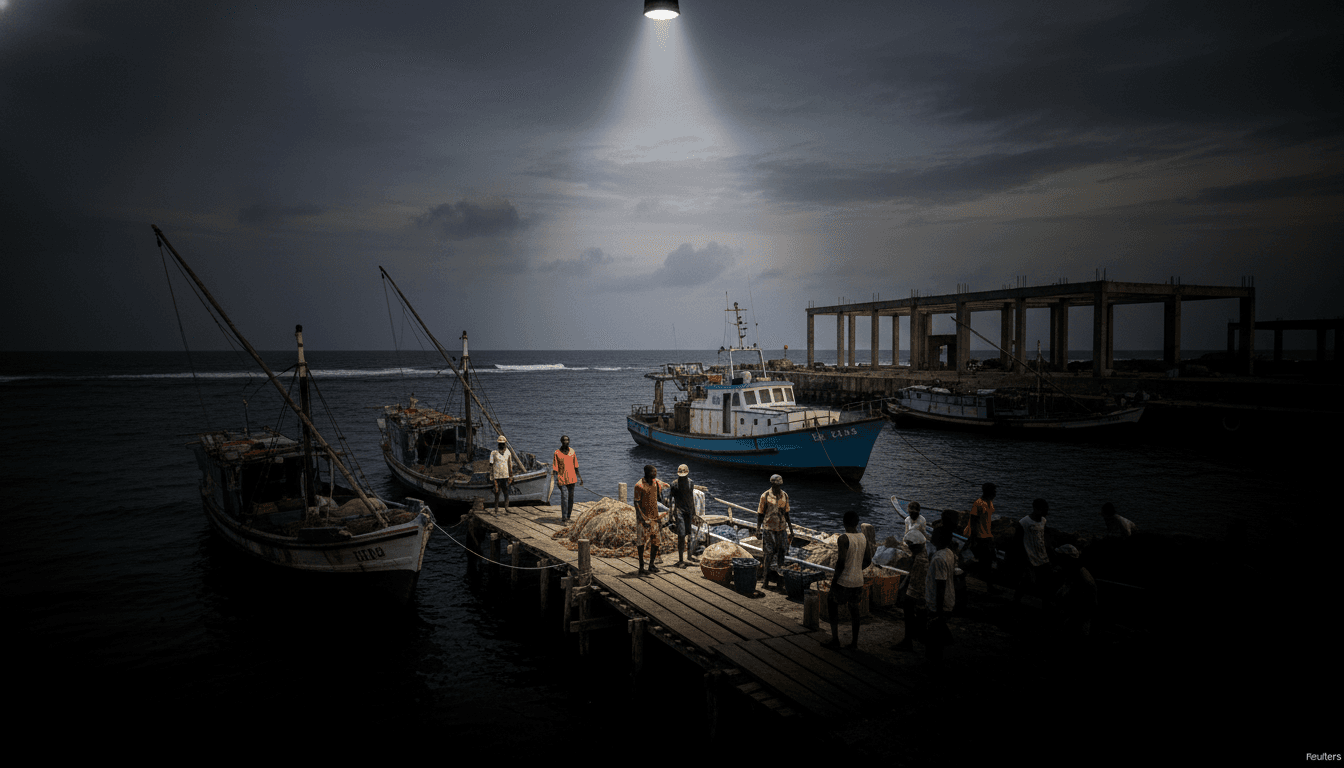
The intricate fraud, widely known as the “hidden debts” or “tuna bonds” scandal, revolved around Chang’s orchestration of over $2 billion in loans to three newly established Mozambican government-owned companies: Proindicus S.A., Empresa Moçambicana de Atum, S.A. (EMATUM), and Mozambique Asset Management (MAM). These entities were ostensibly created to spearhead maritime projects, including coastal surveillance, tuna fishing, and shipyard construction. The deception lay in Chang’s pivotal role: he unilaterally signed government guarantees for these massive loans, sidestepping mandatory parliamentary approval and exceeding the country’s legal lending limits. These guarantees, therefore, were illegal under Mozambican law. Chang and his co-conspirators deliberately misrepresented the use of these funds to international banks and investors, concealing the fact that a substantial portion—over $200 million—was earmarked for illicit bribes and kickbacks. The scheme unfolded primarily between 2013 and 2015, although some investigations suggest its reach extended into 2016.
Following the Money
The scale of the fraud was breathtaking. The total value of the fraudulent loans surpassed $2 billion, with Chang personally pocketing $7 million in bribes for his role in authorizing these illicit, government-backed financial instruments. The ripple effect was catastrophic. International investors, including those managing pension and retirement funds in the United States, faced considerable losses when the Mozambican companies defaulted on more than $700 million in payments. For Mozambique, already one of the world’s poorest nations, the impact was devastating. The economic crisis triggered by the hidden debt scandal is estimated to have cost the country at least $11 billion, pushing nearly two million of its citizens into poverty. The International Monetary Fund (IMF) responded by suspending crucial financial support, leading to a currency collapse and widespread financial turmoil.
The Investigation
The unraveling of the hidden debts began in 2016 when the Mozambican government was forced to admit its inability to service the undisclosed loans, thereby exposing the scandal to international scrutiny. The FBI’s New York Field Office spearheaded the investigation, working in close collaboration with the U.S. Justice Department’s Office of International Affairs. This complex international probe received significant assistance from authorities in South Africa, the United Kingdom, Switzerland, Spain, and Portugal. The IMF’s subsequent withdrawal of fiscal aid further illuminated the gravity of the situation, prompting an independent audit by the firm Kroll to meticulously examine the loans and their beneficiaries.
Victims Left Behind
The victims of Manuel Chang’s scheme are diverse and numerous. U.S. and international investors, including those managing critical pension and retirement funds, suffered substantial financial setbacks. However, the most profound impact was borne by the Republic of Mozambique and its citizens. The $2 billion “hidden debt” constituted approximately 12% of the nation’s GDP, triggering an economic meltdown characterized by stagnation, rampant inflation, currency devaluation, and a dramatic decrease in foreign investment and aid. Essential government services were curtailed, exacerbating a humanitarian crisis and contributing to an insurgency in northern Mozambique. Financial institutions were also implicated; Credit Suisse AG and its subsidiary, Credit Suisse Securities (Europe) Limited (CSSEL), admitted to defrauding investors and paid approximately $475 million in penalties and fines for their involvement in financing the EMATUM project.
Justice & Consequences
Manuel Chang’s journey through the U.S. legal system began with his arrest in South Africa in December 2018, based on a U.S. indictment. After years of legal wrangling, he was extradited to the United States in July 2023. A four-week trial in Brooklyn, New York, culminated on August 8, 2024, with a federal jury convicting Chang of one count of conspiracy to commit wire fraud and one count of conspiracy to commit money laundering. On January 17, 2025, he was sentenced to 102 months (8.5 years) in federal prison and ordered to forfeit $7 million. A restitution amount for victims is pending. Chang was scheduled for release and deportation on March 26, 2026, but encountered issues with his travel documents at Boston Logan Airport, leading to his transfer into ICE custody. His legal team continues to advocate for his immediate deportation, citing his chronic health conditions and inadequate medical care in detention. In a related development, a UK court ruled in July 2024 that Privinvest Group, a shipbuilding company central to the scheme, owes Mozambique over $2 billion for debt settlement, confirming the payment of substantial bribes to secure contracts.
“The hidden debts scandal was not merely a financial crime; it was a profound betrayal of public trust that crippled a nation and exposed the stark vulnerabilities of governance in the face of high-level corruption.”
Lessons Learned
The Manuel Chang case serves as a stark reminder of the critical importance of robust governance and transparency. The absence of parliamentary oversight for the loans, their deliberate secrecy, and the involvement of newly formed companies with no track record should have been immediate red flags. The significant discrepancies between the stated purpose of the loans and their actual use, coupled with the involvement of high-ranking officials in receiving substantial bribes, underscored systemic corruption. Financial institutions, including Credit Suisse, also demonstrated a failure in due diligence, agreeing to provide colossal loans to untested entities run by an intelligence service. Moving forward, readers should be vigilant for any financial transactions lacking proper authorization, especially those involving public funds and newly created entities. Scrutiny of official guarantees, particularly when parliamentary oversight is circumvented, is paramount to preventing similar large-scale frauds that devastate national economies and citizen welfare.