The Live Nation verdict, announced on Wednesday, April 22, 2026, marks a significant development in the ongoing scrutiny of the music industry’s business practices, particularly concerning market dominance and fair competition. While specific details of the verdict remain under wraps in the initial reporting, its inclusion alongside other high-profile legal cases — such as the d4vd murder case, the Bad Bunny lawsuit, and the BTS leak — underscores a period of intensified legal and ethical challenges confronting major players in the entertainment sector.
Read more crime & justice articles
The Story: Key Legal Battles Unfold
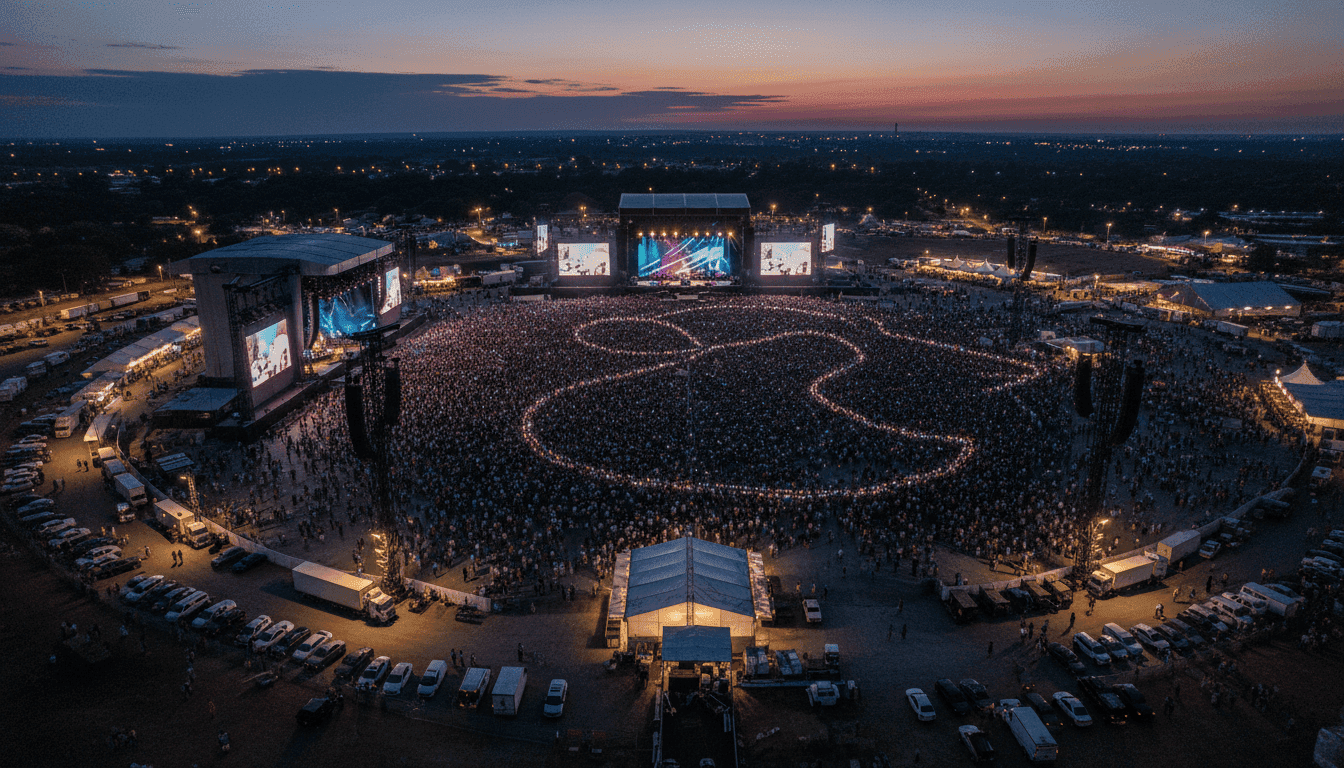
The core of this unfolding narrative involves several distinct legal challenges, each carrying substantial implications for the individuals and corporations involved. The Live Nation verdict, while its specific findings are yet to be fully disclosed, undoubtedly relates to the company’s extensive footprint in concert promotion, ticketing, and venue management. Given Live Nation’s market position, any verdict against it could signal a shift in regulatory oversight or a successful challenge to its operational model.
Concurrently, the music world is grappling with the d4vd murder case, a tragic event that thrusts a prominent artist into a criminal investigation. Details surrounding the alleged murder and the artist’s involvement are scant in the initial report, but such a high-profile criminal case inevitably draws significant public and legal attention, raising questions about accountability and justice within the celebrity sphere.
Adding to the legal maelstrom is the Bad Bunny lawsuit, another civil action whose specifics are not detailed but points to potential contractual disputes, intellectual property claims, or other business conflicts involving the global superstar. Such lawsuits are common in the high-stakes music industry but can have far-reaching financial and reputational consequences. Finally, the mention of a BTS leak indicates a breach of confidentiality or intellectual property, a recurring issue that plagues artists and labels striving to protect their creative output and release schedules.
“The convergence of a major corporate verdict, a high-profile criminal investigation, and significant civil and intellectual property disputes within the music industry highlights a period of unprecedented legal reckoning.”
Impact Analysis: Repercussions Across the Industry
The combined weight of these legal developments suggests a broader impact on the crime & justice landscape, particularly as it intersects with the entertainment industry. The Live Nation verdict could set precedents for antitrust enforcement or consumer protection in live entertainment, potentially influencing how future events are organized and ticketed. For artists and consumers, this could mean changes in pricing structures, venue availability, or competition among promoters.
The d4vd murder case, a criminal matter, serves as a stark reminder that even public figures are subject to the legal system’s full force, regardless of their fame. Its progression will be closely watched for its implications on due process and justice in high-visibility cases. The Bad Bunny lawsuit and the BTS leak, while different in nature, both underscore the persistent challenges of managing celebrity brands, protecting creative assets, and navigating complex contractual agreements in a rapidly evolving digital landscape.
Context & Background: A History of Scrutiny
The music industry has a long history of facing legal challenges, ranging from accusations of payola and price fixing in previous decades to more recent concerns over streaming royalties and artist exploitation. Live Nation, in particular, has been under intense scrutiny for years regarding its dominant market share in ticketing and concert promotion, leading to repeated calls for antitrust investigations. The current Live Nation verdict could be the culmination of years of such examination. Similarly, intellectual property theft and leaks are perennial problems, exacerbated by digital distribution and social media, making the BTS leak a familiar but no less damaging occurrence.
What’s Next: Unpacking the Future Implications
Moving forward, the full details of the Live Nation verdict will be crucial in understanding its immediate and long-term implications. Will it lead to structural changes within Live Nation or trigger broader regulatory action across the live entertainment sector? The d4vd murder case will proceed through the criminal justice system, with investigations, potential charges, and trials unfolding, demanding careful monitoring for its legal and societal ramifications. The Bad Bunny lawsuit will navigate civil courts, potentially revealing more about industry contracts and artist rights. For the BTS leak, the focus will likely shift to identifying the source and implementing stricter security measures to prevent future breaches.
Key Takeaway: A Shifting Legal Terrain
The confluence of the Live Nation verdict, the d4vd murder case, the Bad Bunny lawsuit, and the BTS leak paints a clear picture of a music industry currently navigating a complex and often challenging legal terrain. These events collectively highlight the pervasive legal risks, from corporate antitrust issues to individual criminal accountability and intellectual property protection, that define the modern entertainment landscape. As these cases progress, they will undoubtedly shape future industry practices and legal precedents, emphasizing the critical need for transparency, accountability, and robust legal frameworks in an industry that wields immense cultural and economic power.