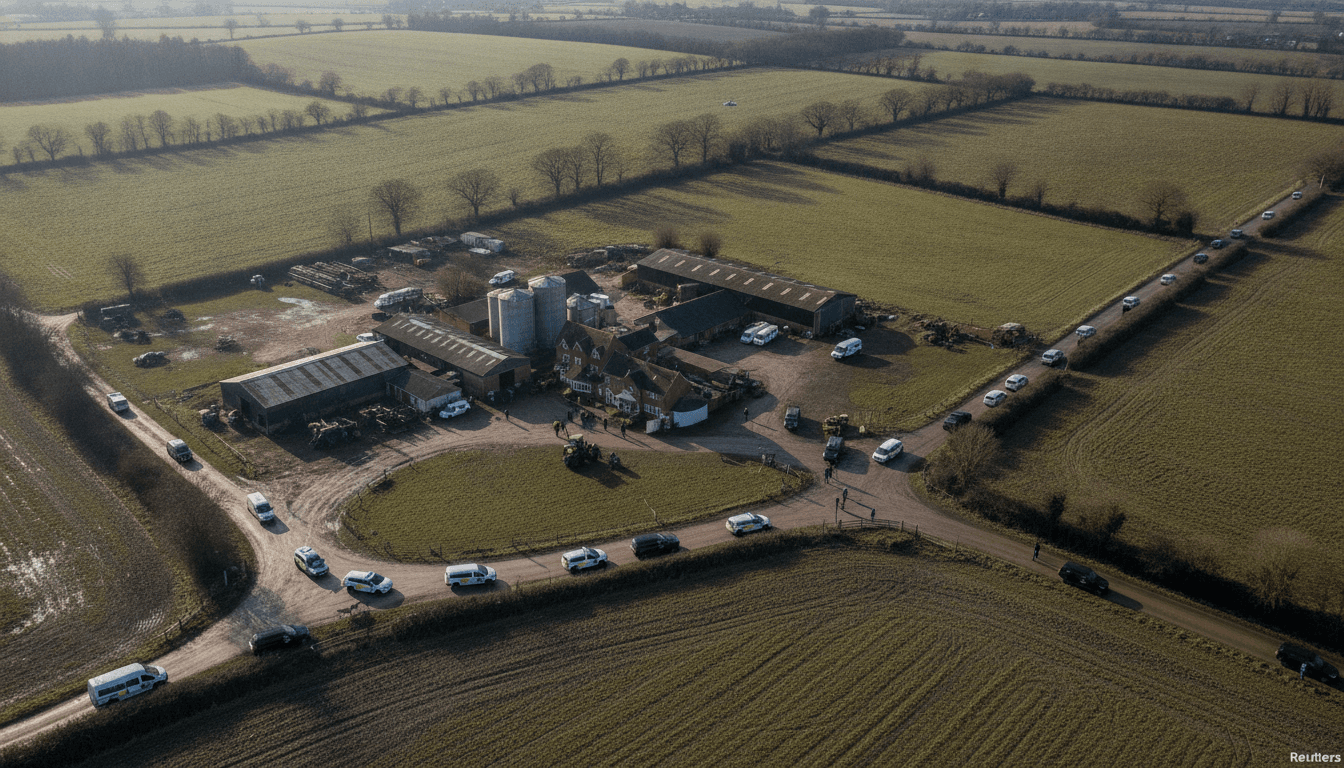
A staggering Killdeer cattle scam, valued at an astonishing $220 million, has been unearthed, revealing a sophisticated web of deception that defrauded numerous victims. This colossal financial crime, centered in Killdeer, North Dakota, represents one of the largest agricultural frauds in recent memory, leaving a trail of financial devastation across the heartland.
The Architect of Deceit
The alleged mastermind behind this elaborate scheme is a Killdeer man, whose identity has been central to the ongoing investigation. The intricate fraud involved the fabrication of hundreds of thousands of cattle, existing only on paper, which were then used as collateral for substantial loans and investments. This phantom herd allowed the perpetrator to secure massive sums, exploiting the trust placed in the agricultural sector.
The scheme, as investigators have pieced it together, operated on a simple yet audacious premise: creating an illusion of vast livestock holdings. By falsifying records, forging documents, and likely leveraging the remote nature of large-scale ranching operations, the individual managed to convince investors and lenders that he possessed an immense herd. These phantom cattle were then used to back loans, sell fictitious shares, and generate revenue from non-existent sales, all while the actual number of livestock remained a fraction of what was claimed.
“This wasn’t just a simple miscount; it was a deliberate, calculated construction of a non-existent empire designed to extract maximum financial gain,” a source close to the investigation remarked.
The Unseen Victims of the Killdeer Cattle Scam
While specific victim counts are still emerging, the scale of the $220 million Killdeer cattle scam suggests a broad impact. Lenders, financial institutions, and potentially individual investors who believed they were participating in a thriving cattle operation are among those who lost significant capital. The deception likely preyed on the perceived stability and traditional values associated with the agricultural industry, making the fraud all the more insidious. The human cost extends beyond monetary losses, encompassing shattered trust, ruined reputations, and the psychological toll of being so thoroughly misled. For many in rural communities, such investments represent their life savings or the future of their businesses.
How the Façade Crumbled
The unraveling of this elaborate fraud began to surface by March 22, 2026. Details surrounding the exact trigger for the investigation remain under wraps, but typically, such large-scale schemes are exposed when promised returns fail to materialize, or when an audit or inspection reveals discrepancies between reported assets and reality. Federal investigators, likely from agencies specializing in financial crimes, would have meticulously combed through financial records, bank statements, loan applications, and livestock manifests. The sheer volume of fabricated cattle would have eventually become unsustainable, leading to inconsistencies that could no longer be hidden. Evidence would have included forged documents, digital trails of fraudulent transactions, and potentially witness testimonies from those who grew suspicious.
Consequences and Lingering Questions
As of Sunday, March 22, 2026, a Killdeer man has been charged in connection with the $220 million cattle scam. While the specific charges, potential sentences, fines, and asset recovery efforts are still in progress, the magnitude of the fraud indicates severe legal repercussions. The focus will now shift to recovering as much of the stolen funds as possible and ensuring that justice is served for the victims. The case serves as a stark reminder of the sophisticated nature of modern financial fraud and the vigilance required to combat it. For more on related fraud investigations, visit our archives.
Lessons and Red Flags
The Killdeer cattle scam underscores critical lessons for investors and financial institutions alike. Red flags to watch for include unusually high or consistent returns that seem too good to be true, a lack of transparency or reluctance to allow independent verification of assets, and pressure to invest quickly without thorough due diligence. Always insist on independent verification of assets, particularly in industries where physical assets are central to the investment. Scrutinize financial statements, seek second opinions, and be wary of any investment opportunity that relies heavily on trust without tangible proof. This case is a sobering reminder that even in seemingly grounded industries, the potential for elaborate deception remains. The fight against financial fraud requires continuous education and unwavering skepticism.