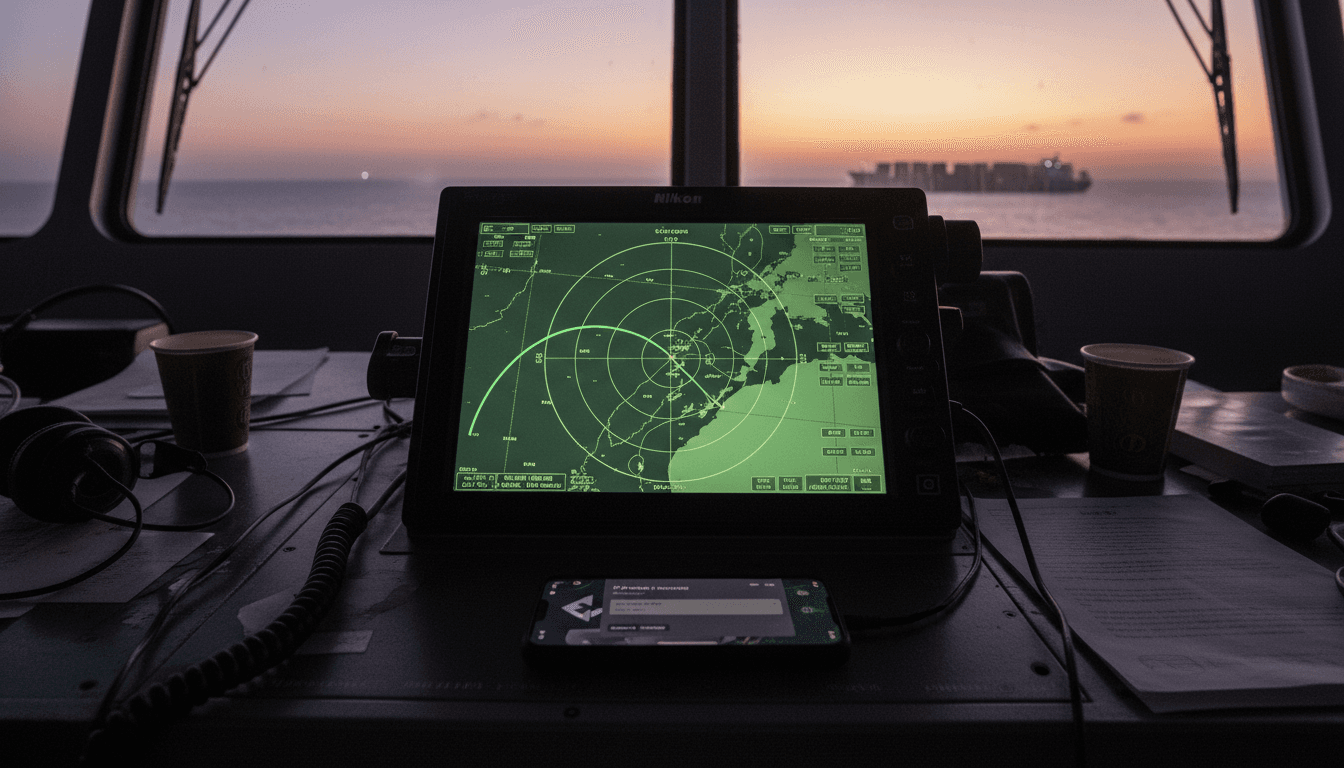
Iran’s Crypto Toll in Strait of Hormuz is escalating, with recent reports indicating that the Islamic Revolutionary Guard Corps (IRGC) is already extracting transit tolls from vessels using digital assets. This development, first reported by Bloomberg on April 1, 2026, marks a significant and concerning evolution in Tehran’s expanding use of cryptocurrencies, moving beyond sanctions evasion to direct revenue generation from strategic waterways.
Iran’s Expanding Use of Digital Assets
The shift towards demanding cryptocurrency as payment for transit through the critical Strait of Hormuz highlights Iran’s growing sophistication in leveraging digital currencies. Historically, Iran has utilized crypto to circumvent international sanctions, facilitating trade and financing illicit activities. However, this new tactic represents a bold and direct monetization of its geopolitical influence, potentially setting a dangerous precedent for other state actors.
The implications for global shipping and maritime security are profound. Vessels traversing the Strait of Hormuz, a vital choke point for oil and gas shipments, could face increasing pressure to comply with these demands, raising questions about legal frameworks, enforcement, and the broader financial stability of the shipping industry. The anonymity and decentralized nature of cryptocurrencies make it challenging to trace these transactions, complicating international efforts to counter such practices. This new form of revenue generation could further embolden the IRGC, providing them with untraceable funds to support their regional objectives.
Geopolitical Ramifications of Crypto Demands
The practice of demanding crypto tolls introduces a new layer of complexity to the already volatile geopolitical landscape surrounding the Strait of Hormuz. International maritime law generally dictates free passage through such international waterways. Iran’s actions challenge these norms, potentially leading to increased tensions with global powers reliant on the Strait for energy supplies. The use of digital assets in this context also raises concerns about financial crime and money laundering, as these transactions could be used to fund various illicit activities without traditional banking oversight. This development underscores the urgent need for international cooperation to develop robust regulatory frameworks for cryptocurrencies, particularly in the context of state-sponsored activities and national security implications. For more insights into related fraudulent activities, explore our related Fraudulents news.
“The IRGC’s move to demand crypto tolls in the Strait of Hormuz is a game-changer, demonstrating a new frontier in state-sponsored financial exploitation and challenging established international maritime norms.”
Navigating the New Digital Maritime Economy
The international community, particularly shipping companies and financial institutions, must adapt rapidly to this evolving threat. Understanding the mechanisms of Iran’s Crypto Toll in Strait of Hormuz and developing strategies to mitigate its impact will be crucial. This includes enhanced due diligence, real-time intelligence sharing, and potentially the development of new international protocols to address the use of cryptocurrencies in coercive state actions. The long-term implications for global trade and financial security are significant, necessitating a coordinated and robust response to prevent the normalization of such practices. The precedent set here could inspire other actors to explore similar tactics, further destabilizing critical trade routes and challenging the integrity of the international financial system.
The emergence of Iran’s Crypto Toll in Strait of Hormuz signals a critical juncture in the intersection of geopolitics, finance, and digital assets. This unprecedented use of cryptocurrency for transit tolls by the IRGC demands immediate attention and a comprehensive strategy from governments and industry stakeholders to safeguard international maritime commerce and uphold global financial integrity.