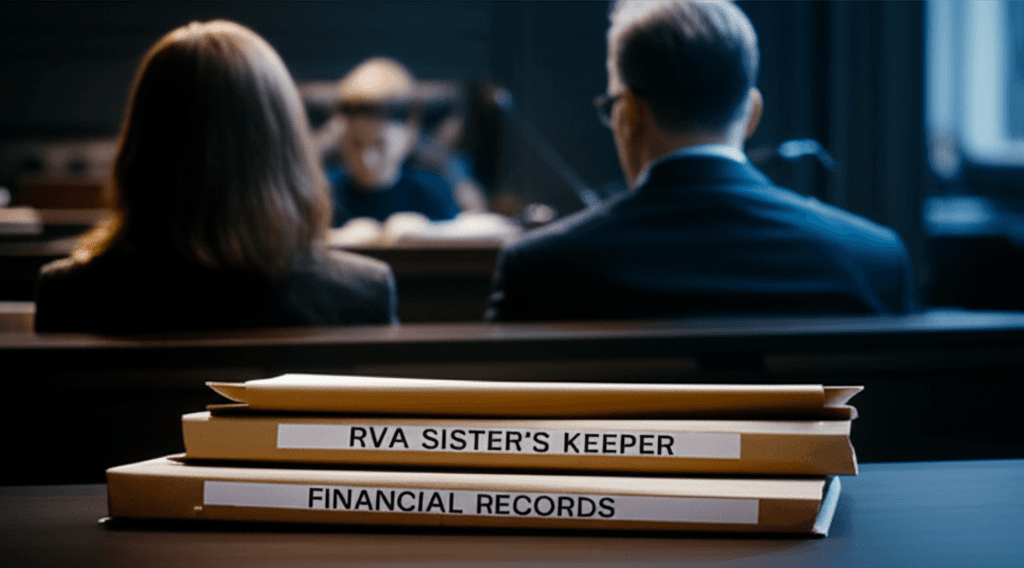
Homeless shelter fraud has rocked the city of Richmond, Virginia, with the director of a local nonprofit sentenced to three years in prison for stealing nearly $1 million in government funds intended to house and feed vulnerable women and children. Kia Player, 41, exploited her position as director of RVA Sister’s Keeper, an inclement weather shelter, to line her own pockets, diverting crucial resources away from those who desperately needed them. The scale of this related fraud investigations is staggering, leaving a trail of broken promises and shattered trust in its wake.
RVA Sister’s Keeper’s Deceptive Practices
Player secured a grant to operate RVA Sister’s Keeper in 2022, receiving $995,000 in funding from the U.S. Department of Housing and Urban Development (HUD) and the City of Richmond. Instead of using the funds for their intended purpose, Player engaged in a systematic scheme to defraud the government. From August 2022 through April 2023, she fabricated and falsified at least 35 invoices, claiming the shelter incurred expenses that never actually occurred.
How the Scheme Worked
Player’s method was both brazen and simple. She submitted inflated invoices for various services, including meals, roof repairs, laundry, and bed bug treatment. A prime example is the “VCM Catering Services,” a fictitious business Player created to submit at least 21 fraudulent invoices for meal provisions. While a family member, a Richmond Public Schools cafeteria manager, did provide some meals, Player vastly overstated the costs and pocketed the difference. Similarly, she fabricated a roof repair invoice and submitted ten invoices for laundry services, while the company only provided services three times and homeless residents occasionally received used blankets. These inflated invoices caused $199,163 in actual losses to HUD and the city.
Victims of the Fraud
The primary victims of this homeless shelter fraud were the vulnerable women and children the shelter was supposed to serve. By diverting funds intended for their care, Player deprived them of essential resources such as adequate meals, safe shelter, and necessary services. The city of Richmond and HUD were also victims, losing nearly $200,000 in taxpayer money that could have been used to support other vital community programs. The public’s trust in nonprofit organizations and government-funded initiatives suffered a significant blow as well.
Unraveling the Deception
The details of how the investigation unfolded are not available in the source material. However, the sheer volume of fraudulent invoices and the blatant nature of the scheme likely triggered red flags during routine audits or financial reviews. The Department of Justice (DOJ) took over the investigation, meticulously piecing together the evidence of Player’s fraudulent activities.
Consequences and Sentencing
In November 2025, Kia Player pleaded guilty to wire fraud. On February 25, 2026, she was sentenced to three years in prison. While the article doesn’t specify fines or asset recovery efforts, it’s likely that the DOJ will pursue these avenues to recoup the stolen funds and hold Player fully accountable for her actions. The sentence sends a clear message that exploiting vulnerable populations and defrauding the government will not be tolerated.
Red Flags and Lessons Learned
This case of homeless shelter fraud highlights the importance of rigorous oversight and due diligence in managing government grants and nonprofit organizations. Clear financial controls, regular audits, and whistleblower protection mechanisms are crucial to preventing similar schemes. The public should also be vigilant in reporting any suspected fraud or misuse of funds.
“Transparency and accountability are essential to ensuring that taxpayer dollars are used effectively and ethically to support those in need.”
By working together, we can protect vulnerable populations and safeguard public resources from those who seek to exploit them.