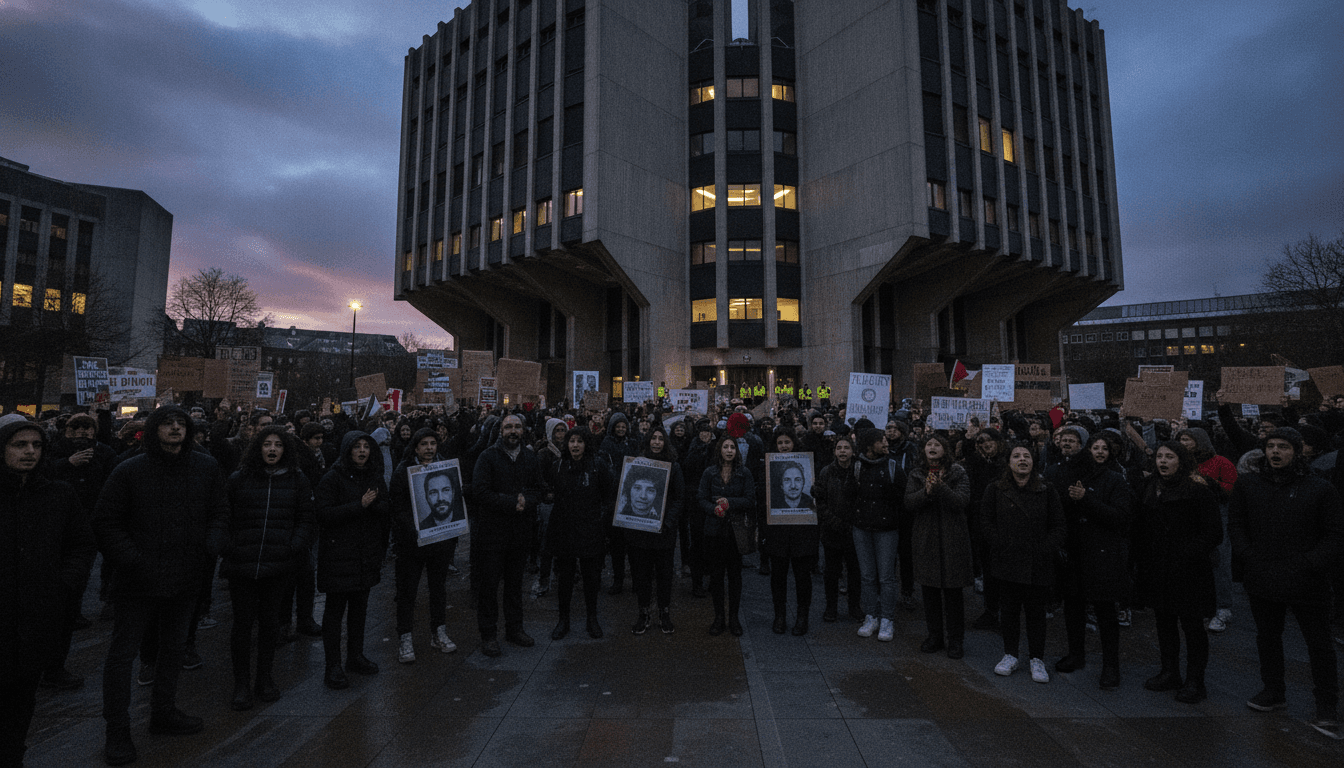
Rays shortstop Wander Franco found guilty for the second time on charges of sexual and psychological abuse of a minor in the Dominican Republic, a verdict delivered Monday that, while confirming his criminal responsibility, will not see him serve prison time. The 25-year-old athlete, whose career has been in limbo since August 2023, was issued a judicial pardon by a three-judge panel, which remarkably declared him a “material victim, but not a legal one” in the complex case.
This latest ruling follows an initial guilty verdict in June 2025, which resulted in a suspended two-year sentence. Both the prosecution and defense appealed that decision, leading to the recent retrial. The court’s full decision and detailed sentencing are anticipated on June 16, providing further clarity on the unusual judicial pardon.
The Long Road to a Verdict
The legal saga began in August 2023, when social media posts surfaced alleging Franco, then 21, had been involved in a relationship with a 14-year-old girl that reportedly commenced in December 2022. This immediately halted his promising MLB career. He was placed on administrative leave for the remainder of the 2023 season and continued on administrative leave at the start of the 2024 season. Formal charges were filed against Franco in the Dominican Republic in July 2024, leading to his placement on Major League Baseball’s restricted list, where he remains, unpaid and not accruing service time.
Adding another layer of complexity to the case, the minor’s mother was again convicted of trafficking her daughter on Monday, receiving a renewed 10-year prison sentence. Her initial conviction and sentence were also subject to appeal, underscoring the protracted legal battles surrounding this case.
Impact Analysis: Legal Precedent and MLB Future
The decision to issue a judicial pardon despite a guilty verdict for sexual and psychological abuse of a minor raises significant questions within the crime & justice landscape. Legal experts are likely to scrutinize the court’s reasoning for declaring Franco a “material victim” while simultaneously holding him criminally responsible. This dual classification could set an unusual precedent, particularly in cases involving minors where power dynamics are inherently skewed.
“The judicial pardon, while preventing prison time, does not erase the finding of criminal responsibility, creating a complex legal and ethical dilemma that will resonate in future discussions about justice for minors.”
For Wander Franco, the immediate future remains uncertain. Major League Baseball has stated it is aware of the verdict and will conclude its investigation at the appropriate time. MLB can still issue discipline under the Joint Domestic Violence, Sexual Assault and Child Abuse Policy, irrespective of the Dominican court’s decision on prison time. The Tampa Bay Rays, Franco’s team, issued a statement acknowledging the ruling, emphasizing their respect for the legal process and their continued cooperation with MLB’s review, while expressing thoughts for those affected by the case. The Rays will continue to cooperate fully with Major League Baseball as it completes its review under the league’s Joint Domestic Violence, Sexual Assault and Child Abuse Policy.
Wander Franco’s Career Crossroads
Beyond potential MLB discipline, a significant hurdle for Franco is his ability to secure a U.S. visa. Previous reporting, including a 2024 story in The Athletic, cited immigration experts who suggested that anything less than a full exoneration from a crime of moral turpitude would make it nearly impossible for him to return to the United States and resume his career in the Majors. A guilty verdict, even with a judicial pardon, is unlikely to be considered a full exoneration, potentially sealing his fate regarding a return to American baseball.
The protracted nature of this case, stretching over nearly three years since the allegations first surfaced, highlights the complexities of international legal proceedings and their intersection with professional sports. The formal charges in the Dominican Republic in July 2024 marked a critical turning point, leading to his transfer to MLB’s restricted list.
What’s Next for Wander Franco
The upcoming release of the court’s full decision and sentencing on June 16 will be crucial, as it is expected to detail the reasoning behind the judicial pardon and the “material victim” designation. Following this, Major League Baseball will likely accelerate its internal investigation. The league’s decision will determine if Franco faces further sanctions, such as a suspension, which could effectively end his MLB career regardless of his legal status in the Dominican Republic. The Tampa Bay Rays’ statement indicated a serious matter, and our thoughts remain with those affected by the case. The Rays will continue to cooperate fully with Major League Baseball as it completes its review under the league’s Joint Domestic Violence, Sexual Assault and Child Abuse Policy.
The legal and professional ramifications for Wander Franco are far from over. This case underscores the enduring challenges faced by sports organizations in managing player conduct and the profound impact legal proceedings can have on high-profile careers, particularly when involving serious allegations against minors. The decision to issue a judicial pardon for a player found guilty of abuse while avoiding prison time will undoubtedly be a point of discussion for legal scholars and sports ethics committees alike.