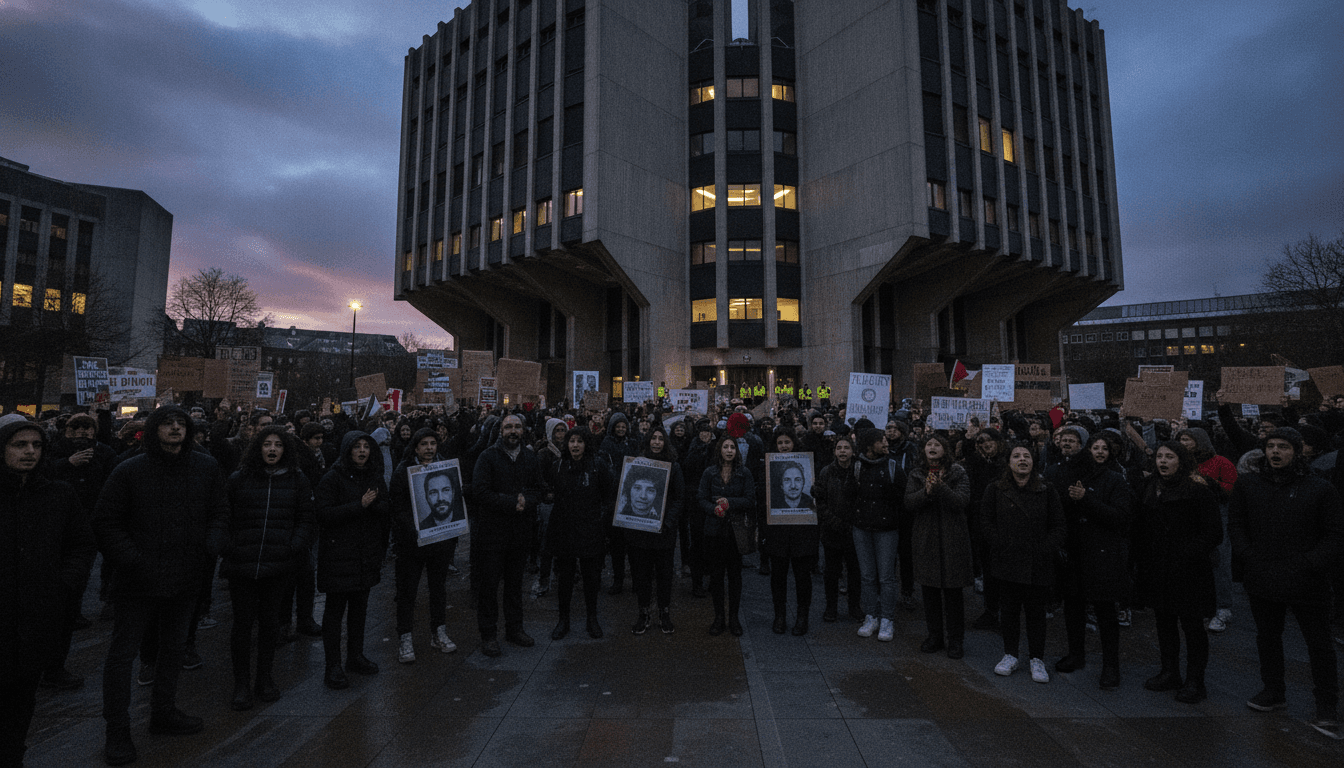
Finnish MP Päivi Räsänen appeals to the European Court of Human Rights, escalating a legal battle that pits freedom of speech against religious incitement laws after she was found guilty over a Bible pamphlet. This move, announced Friday, May 8, 2026, marks a significant internationalization of a case closely watched by legal scholars and human rights advocates across Europe.
Päivi Räsänen, a long-serving Member of Parliament in Finland, found herself at the center of a contentious legal saga following a guilty verdict related to her publication of a pamphlet discussing biblical views on sexuality. The exact contents of the pamphlet, which led to the initial charges and subsequent conviction, have not been detailed beyond its biblical foundation. Her appeal to the European Court of Human Rights (ECtHR) signifies her belief that the Finnish legal system has infringed upon her fundamental rights, particularly freedom of expression and religion. The case has drawn considerable attention, not only within Finland but also among international observers concerned with the implications for free speech and religious liberty in modern European democracies. The Christian Post reported on this development, highlighting the ongoing legal struggle of the Finnish MP Päivi Räsänen.
Impact Analysis
The decision by Finnish MP Päivi Räsänen to appeal to the ECtHR carries substantial implications for the broader crime and justice landscape, particularly concerning the interpretation of hate speech laws versus freedom of expression. A ruling by the ECtHR could set a precedent for how member states balance the protection of minority groups from incitement with the right of individuals to express religiously informed opinions, even if those opinions are deemed controversial or offensive by some. This case could clarify the boundaries of permissible religious discourse in the public sphere and the extent to which national laws can restrict such expression. It also highlights the growing tension between evolving social norms and traditional religious viewpoints, a dynamic frequently explored in related crime & justice articles.
“This appeal will test the very foundations of free speech protections in Europe, particularly where religious expression intersects with contemporary interpretations of human rights,”
one legal expert noted, emphasizing the potential for a landmark decision. The outcome will be scrutinized by legal professionals, human rights organizations, and political actors across the continent, potentially influencing legislative approaches to similar issues in other European nations. The case of Finnish MP Päivi Räsänen is now a crucible for these complex legal and societal questions.
Context & Background
This legal battle is not an isolated incident but rather part of a growing trend in European jurisprudence where traditional religious expressions are increasingly scrutinized under anti-discrimination and hate speech legislation. Over recent years, several cases across various European countries have grappled with similar dilemmas, attempting to delineate where religious conviction ends and incitement to hatred begins. Finland, like many other European nations, has robust laws against incitement, designed to protect vulnerable groups. However, the application of these laws to religious texts and their interpretation has often proven contentious. The specific details of Räsänen’s pamphlet and the exact legal arguments made during her initial trial and subsequent appeal within Finland remain central to understanding the nuances of this complex case. The broader context includes ongoing debates about secularism, religious freedom, and multiculturalism within the European Union.
What’s Next for Finnish MP Päivi Räsänen
The appeal process before the European Court of Human Rights is typically lengthy and meticulous. The ECtHR will first determine the admissibility of the case, assessing whether it meets the criteria for review. If deemed admissible, the court will then proceed to a full hearing, examining arguments from both Räsänen’s legal team and the Finnish state. The decision could take several years, but its eventual outcome will be legally binding on Finland and will serve as an interpretative guide for other Council of Europe member states. Predictions vary, with some legal commentators suggesting the court may uphold Finland’s conviction to protect vulnerable groups, while others believe it may side with Räsänen, emphasizing the importance of freedom of expression, even for controversial religious viewpoints. The future of free speech in Europe hinges, in part, on the resolution of the Finnish MP Päivi Räsänen case.
Key Takeaway
The appeal by Finnish MP Päivi Räsänen to the European Court of Human Rights is more than just a personal legal battle; it represents a critical juncture for fundamental rights in Europe. The eventual ruling will clarify the scope of free speech and religious freedom in an increasingly diverse and sensitive society, setting important precedents for how national legal systems navigate the complex interplay between protecting individual expression and preventing incitement. The implications extend far beyond Finland, influencing legal frameworks and public discourse across the continent regarding the limits of religious expression and the evolving definition of hate speech in democratic societies. The resolution of this case will undoubtedly shape future discussions on these vital issues, affecting how individuals and institutions approach the public expression of faith and belief for years to come.