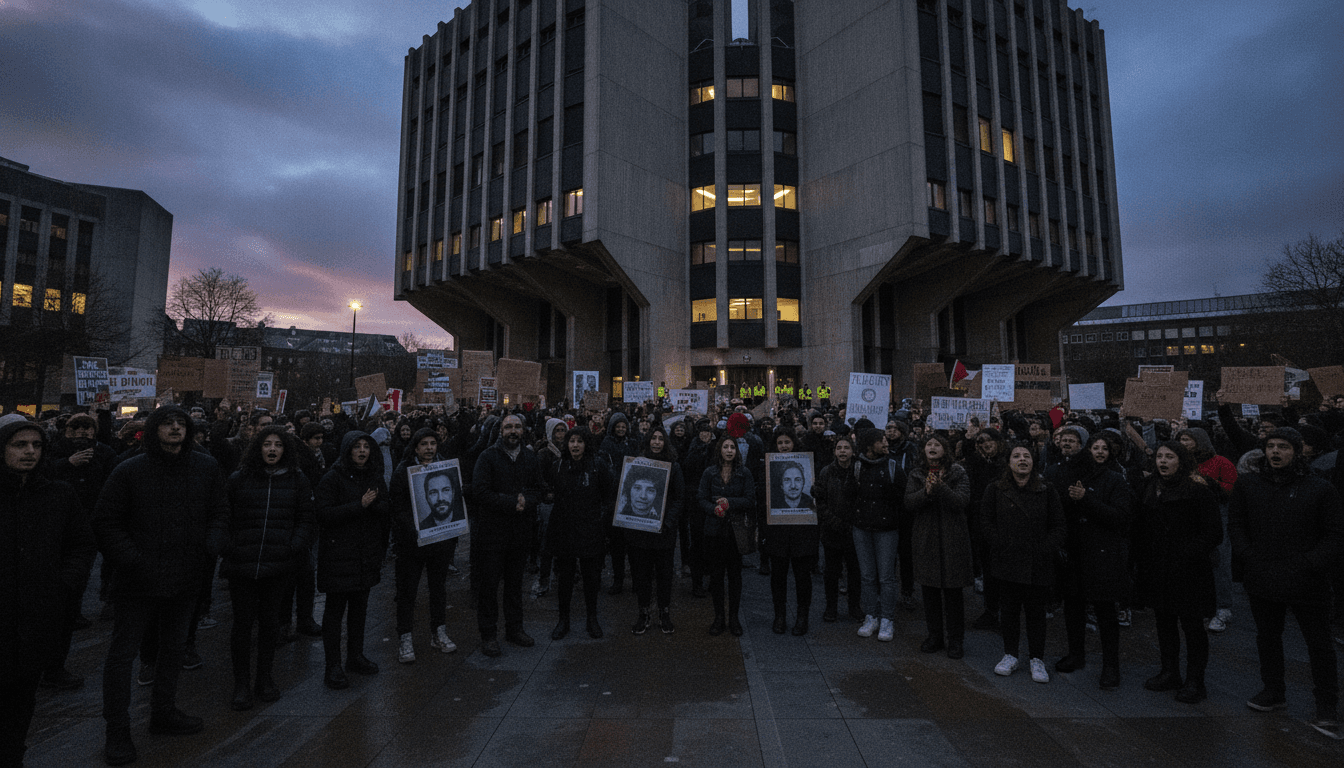
Fernando Blanco, a Spanish national with a history of fraud, found himself arrested on Friday, April 10, 2026, for orchestrating a sophisticated charity fraud that siphoned over €600,000 from unsuspecting donors. The former Ibiza DJ, alongside Margarita Garau, exploited their daughter Nadia Nerea’s rare illness, trichothiodystrophy (TTD), to fund a lavish lifestyle while claiming to seek life-saving treatments abroad.
Who Is Fernando Blanco?
Prior to his arrest, Fernando Blanco was known on the holiday island of Ibiza as a DJ. However, behind this public facade lay a troubling past marked by fraud, having already served prison terms for swindling employers. At 52 years old during the 2016 investigation, Blanco, like his wife, was unemployed, making their subsequent opulent spending a stark red flag. It is crucial to distinguish this Fernando Blanco from others sharing the name, such as the lawyer specializing in insurance law, the Bucknell University professor, the University of Granada lecturer, the comic artist, or the marketing director. This report focuses exclusively on the individual implicated in the Spanish charity fraud.
The Scheme Exposed
The elaborate fraud began around 2008 or 2009 when Fernando Blanco and Margarita Garau established a charity in their daughter Nadia’s name. They leveraged Nadia’s condition, trichothiodystrophy, to appeal for donations, promising cutting-edge medical interventions, including a pioneering operation in Houston, Texas. Blanco even claimed to have traveled to remote locations like Guatemala, India, and a cave in Afghanistan in search of specialist doctors. These claims, however, proved to be fabrications; the supposed genetics specialist, Edward Brown, was nowhere to be found in official registries.
The couple ingeniously utilized various platforms to solicit funds: organizing charity drives, making emotional media appearances, and employing social media campaigns. Their appeals resonated deeply with the public, leading to a significant influx of donations. The scheme operated for years, from its inception until its unraveling in December 2016.
Following the Money
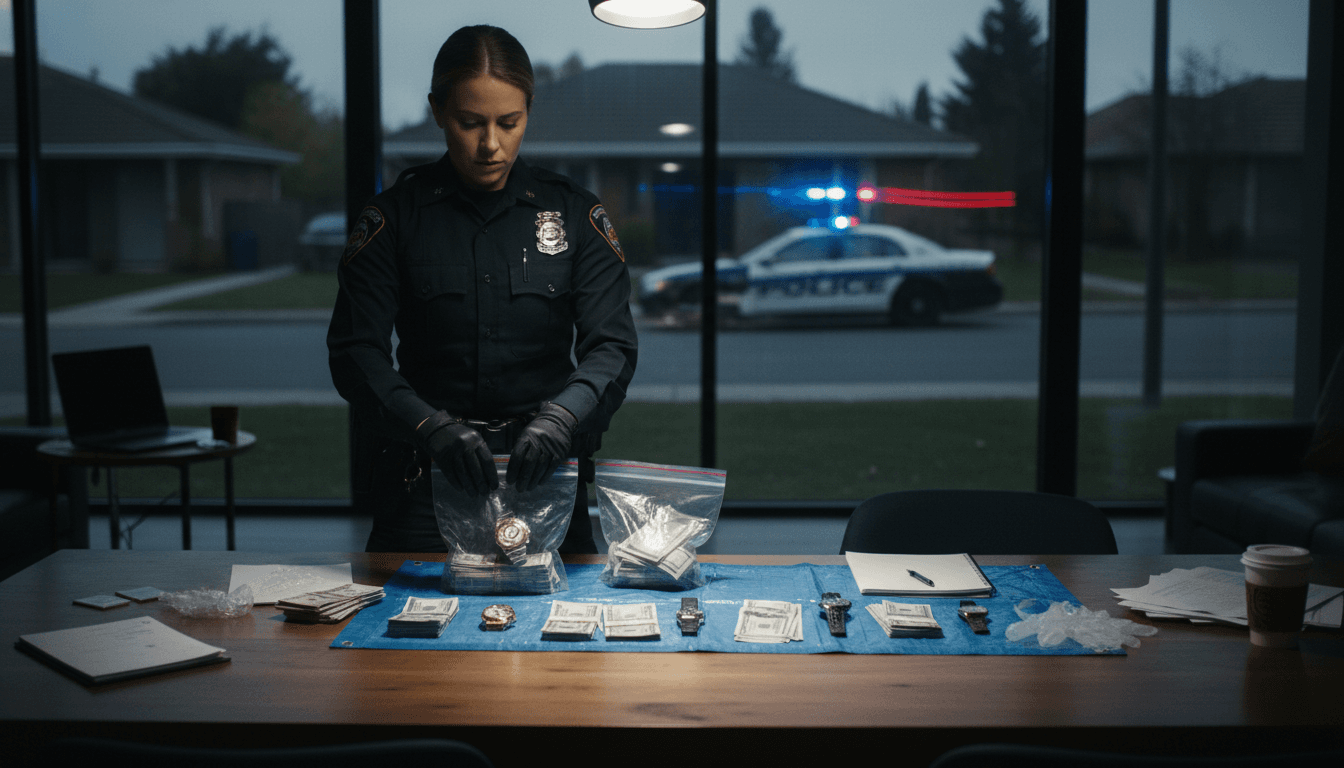
The scale of the deception was staggering. Since 2009, Fernando Blanco and Garau collected over €900,000 (approximately $950,000) in charitable donations. Police investigations meticulously tracked the funds, revealing that nearly €600,000 ($633,000) was diverted to their personal use. This money funded an extravagant lifestyle that included rent for an expensive home, a car, extensive travel, and a collection of luxury watches valued between €50,000 and €60,000. In stark contrast, between 2012 and 2016, a mere €295 was spent on Nadia’s actual medication, exposing the depth of their deceit.
The Investigation
The unmasking of the fraud began in November 2016, when a highly successful donation drive, raising €153,000 in just four days through television and social media, piqued the suspicion of EL PAÍS and two other media outlets. Their investigative reporting ultimately led to the involvement of the Catalan regional police. The authorities initiated a thorough investigation, scrutinizing the couple’s bank accounts, executing searches of their home, and employing wiretaps. These intercepts proved crucial, revealing Blanco’s desperate plans to evade capture.
“The stark contrast between the hundreds of thousands raised and the paltry sum spent on medical care reveals a calculated and cruel exploitation.”
The culmination of the investigation came swiftly. On December 7, 2016, Fernando Blanco was arrested in La Seu d’Urgell as he attempted to flee a police roadblock. Two days later, a judge ordered him to be held without bail, citing concerns about him being a flight risk and potentially destroying evidence. Margarita Garau was released but stripped of custody of Nadia, who was placed with an aunt. A civil liability bond of €1.2 million was ordered on December 30, 2016, with assets to be seized if the bond could not be posted. Police searches of their residence uncovered significant cash, luxury watches, electrical appliances, and even marijuana. The investigation further expanded on January 13, 2017, when both parents came under scrutiny for potential sexual exploitation of their daughter.
Victims Left Behind
The victims of this elaborate scheme were thousands of compassionate individuals who, moved by Nadia’s story, donated their hard-earned money. They contributed through various charity events, television campaigns, and social media appeals, genuinely believing their donations would fund life-saving medical treatment. The emotional impact on these donors, who discovered their generosity had been cruelly exploited, is immeasurable, leaving a trail of shattered trust and disillusionment.
Justice & Consequences
As of December 2016, Fernando Blanco remained remanded in custody without bail. Margarita Garau, though released, lost custody of their daughter. The legal process initiated a civil liability bond of €1.2 million, indicating the severe financial repercussions faced by the couple. While the full extent of their convictions, sentences, and the outcome of the sexual exploitation investigation were not available in the immediate aftermath, the initial legal actions underscore the gravity of their crimes and the commitment of the Spanish authorities to address such egregious fraud.
Lessons Learned
The case of Fernando Blanco serves as a stark reminder of the critical importance of due diligence in charitable giving. Several red flags were evident throughout the scheme. Blanco himself admitted to “exaggerating” the severity of Nadia’s illness in a televised interview. His claims of meeting specialists in obscure locations and seeking pioneering, unverified treatments should have raised immediate suspicion, especially when the supposed genetics specialist, Edward Brown, could not be officially registered. The stark discrepancy between the couple’s unemployment and their lavish spending on luxury items was a clear indicator of financial impropriety. Furthermore, Blanco’s prior fraud convictions, if widely known and considered, could have prevented many from falling victim. This case also highlights the responsibility of media outlets to rigorously verify facts before promoting charitable campaigns. Always research a charity’s legitimacy, scrutinize claims that seem too extraordinary, and be wary of appeals that lack transparency in how funds are utilized, especially when dealing with personal stories that bypass established charitable organizations.