The financial world has been rocked by revelations of two colossal Ponzi schemes, Juicy Fields and Recyclix, which collectively siphoned over €700 million from unsuspecting investors across Europe. At the heart of exposing these elaborate frauds stands investigative journalist Daniel Flis, whose meticulous work has been instrumental in tracing the intricate web of deceit behind these operations.
Who Is Daniel Flis?
Daniel Flis is a name synonymous with incisive investigative journalism in Poland. Known for his unwavering dedication to uncovering large-scale financial malfeasance, Flis has honed his craft at prestigious organizations such as OKO.press and Gazeta Wyborcza. Currently, he serves as an investigative journalist at FRONTSTORY.PL, continuing his pursuit of truth in complex financial landscapes. His expertise is further recognized through his participation in the OCCRP Research Fellowship Program and international investigative projects with the Reporters Foundation, underscoring his pivotal role in cross-border financial crime investigations.
The Schemes Exposed: Juicy Fields and Recyclix
Flis’s investigative lens has sharply focused on two particularly audacious European Ponzi schemes: Recyclix and Juicy Fields. Both schemes, while distinct in their purported business models, shared the common thread of luring investors with promises of astronomical returns that ultimately proved to be nothing more than a redistribution of new investor funds.
Recyclix: The Virtual Waste Mirage
Launched in late 2015 and registered in Warsaw, Poland, in 2014 by Dmitri Paladi, Recyclix presented itself as an innovative plastic recycling venture. Investors were promised an astonishing 8% to 14% monthly return, potentially soaring to over 100% annually, all from the seemingly lucrative business of buying and recycling ‘virtual waste.’ However, the reality was starkly different; no actual recycling ever occurred. The scheme was a classic Ponzi, relying entirely on fresh investments to pay off earlier participants. By 2018, Recyclix had collapsed, leaving behind a trail of devastated investors.
Juicy Fields: The Cannabis Cultivation Illusion
Operating from early 2020 until its dramatic implosion in July 2022, Juicy Fields, also known as Juicy Holdings B.V., positioned itself as a groundbreaking medical cannabis investment platform. It tantalized investors with promises of 6-14% monthly returns, or even 36-66% per plant within approximately 100 days, equating to over 100% annually. The minimum investment was a modest €50, making it accessible to a wide audience. Juicy Fields employed aggressive marketing tactics, leveraging social media, influencers, and even making appearances at legitimate cannabis industry events to craft an illusion of credibility. They went as far as paying South American plantations to install webcams and display Juicy Fields banners, creating a deceptive visual spectacle for investors who believed they were watching their cannabis plants grow. In truth, there was no large-scale cultivation or sales; the scheme was a sophisticated house of cards, sustained only by a continuous influx of new money.
Following the Money: The Staggering Scale of Fraud
The financial scale of these operations is staggering, illustrating the devastating impact on tens of thousands of individuals:
- Recyclix: Defrauded investors of at least €39 million, with an additional €100 million lost in Bitcoin, bringing the total to approximately €139 million.
- Juicy Fields: Approximately 186,000 people directly invested a colossal €645 million. Some estimates suggest the total damages could be significantly higher, with an estimated 550,000 registered participants worldwide.
The collective amount defrauded by these two schemes, primarily uncovered through the diligent work of investigative journalists like Daniel Flis, exceeds €700 million, making them among the most significant investment frauds in recent European history.
The Investigation: Unraveling the Deception
The unmasking of Juicy Fields and Recyclix was a complex, multinational undertaking, involving a consortium of regulatory bodies and law enforcement agencies. Regulatory warnings from Germany’s BaFin in March 2022 and Spain’s CNMV in May 2022 about Juicy Fields served as early alarms. However, it was the relentless pursuit by investigative journalists, including Daniel Flis, that truly illuminated the intricate connections and operational mechanics of these schemes. Flis and his colleagues meticulously traced money flows, exposed false identities, and connected the dots between seemingly disparate entities, providing crucial insights for authorities.
Key agencies involved in the ongoing investigations include Europol, Eurojust, German authorities (Landeskriminalamt Berlin, Staatsanwaltschaft Berlin, BaFin), Spanish authorities (Policía Nacional – UDEF, Audiencia Nacional), the French National Gendarmerie, the UK’s National Crime Agency, Malta Police, and Italy’s CONSOB (for Recyclix). The abrupt cessation of withdrawals and deletion of social media accounts by Juicy Fields in July 2022 served as the definitive confirmation of its fraudulent nature.
“The sheer audacity and international reach of these Ponzi schemes highlight the critical role of cross-border investigative journalism in protecting the public from sophisticated financial predators.”
Victims Left Behind: A Trail of Devastation
The human cost of these schemes is immense. Tens of thousands of global investors fell victim to Recyclix, while Juicy Fields ensnared around 186,000 direct investors, with an estimated 550,000 registered participants worldwide. Victims hailed from numerous countries, including Germany, Spain, Malta, and Poland. Many, lured by initial small ‘returns,’ reinvested larger sums, some even taking out loans, only to see their life savings vanish. The promises of easy wealth turned into financial ruin and profound emotional distress.
Justice & Consequences: The Long Road to Accountability
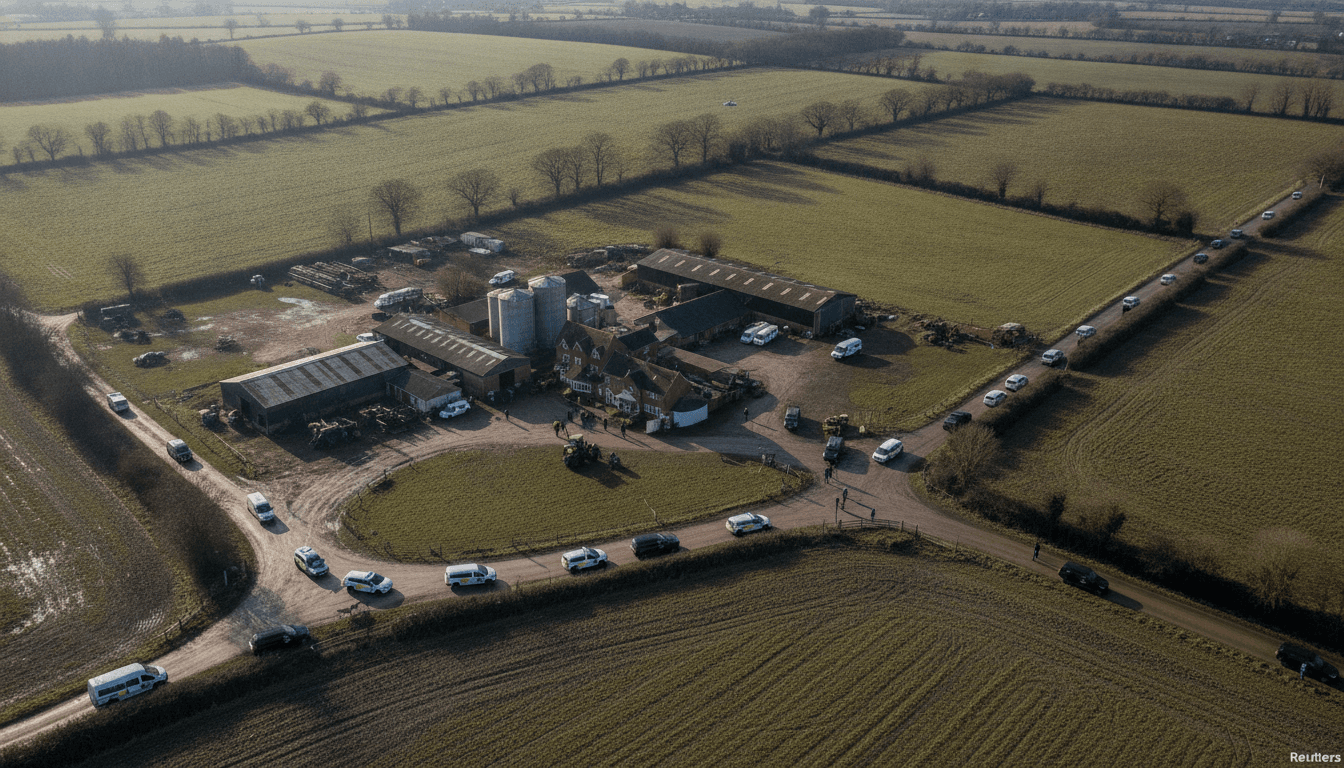
The wheels of justice are slowly turning. As of April 2024, a major Europol-coordinated action across 11 countries resulted in nine arrests related to Juicy Fields. Assets seized or frozen include €4.7 million in bank accounts, €1.5 million in cryptocurrencies, €106,000 in cash, and €2.6 million in real estate. Luxury vehicles and works of art were also confiscated.
In August 2024, Sergei Berezin, a Russian national believed to be a mastermind behind Juicy Fields, was extradited from the Dominican Republic to Spain, facing charges of aggravated fraud, money laundering, and membership in a criminal organization. Two German citizens, Viktor Bitner and Friedrich Ulrich Graf von Luxburg Fürst zu Carolath-Beuthen, are also slated for charges, with Graf’s assets in Lower Silesia, valued at PLN 5.5 million, secured by Polish investigators. For Recyclix, while two participants were reportedly jailed in Poland in May 2021 for three years on an aggravated money laundering charge, reports suggest the Polish prosecutor’s office only charged and subsequently released a frontman, indicating ongoing complexities in achieving full accountability.
Lessons Learned: Vigilance in a Deceptive World
The cases of Juicy Fields and Recyclix offer crucial lessons in financial literacy and vigilance. Several red flags were evident:
- Unrealistically High Returns: Promises of 14% monthly or over 100% annually are hallmarks of Ponzi schemes.
- Lack of Transparency: Vague business models, shifting corporate structures, and absence of regulatory licenses are critical warning signs.
- Regulatory Warnings: Heed alerts from financial authorities like BaFin and CNMV.
- Aggressive Marketing: Excessive social media hype, influencer endorsements, and referral bonuses often mask illegitimate operations.
The work of journalists like Daniel Flis serves as a vital safeguard, but ultimately, investors must exercise extreme caution. If an investment opportunity seems too good to be true, it almost certainly is. Always verify claims, scrutinize business models, and consult independent financial advice before committing your hard-earned money.