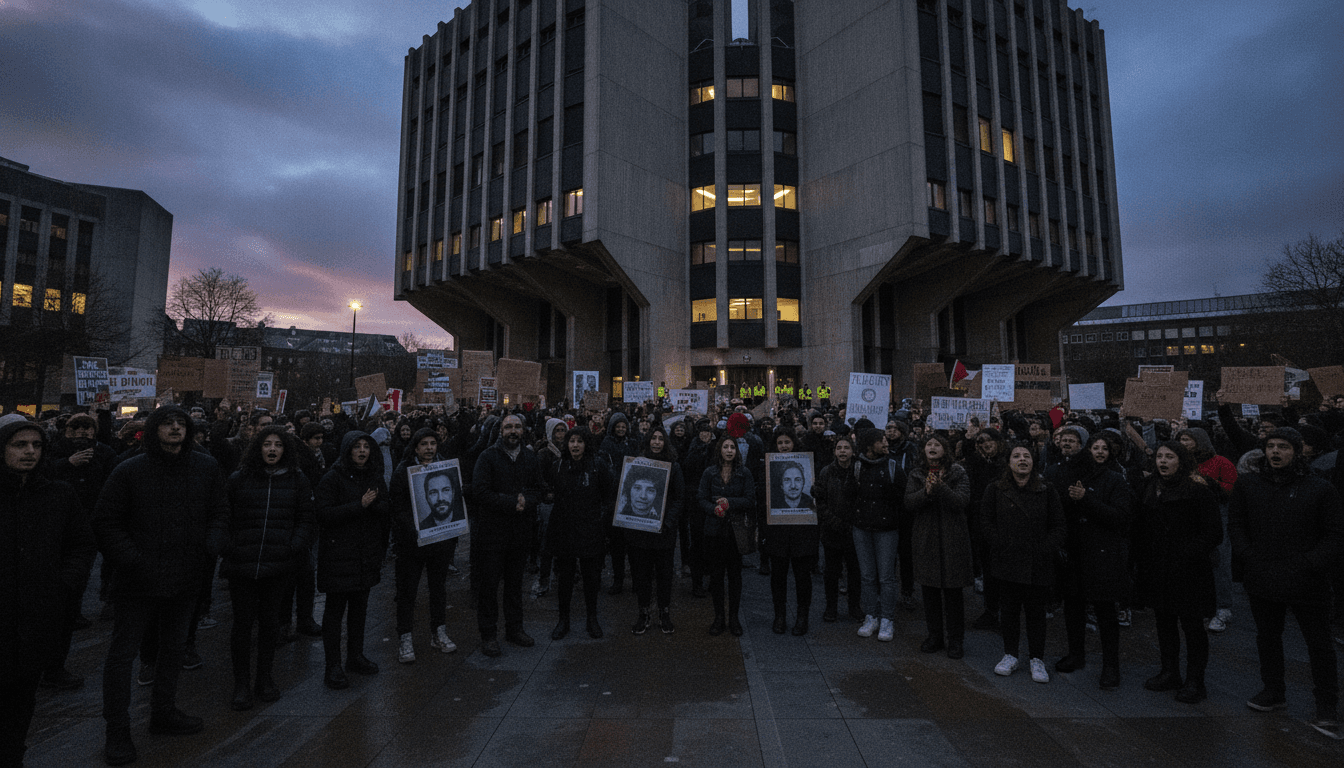
The Supreme Court of Korea has upheld the guilty verdicts for 18 individuals involved in a courthouse riot related to President Yoon’s martial law bid, marking a significant conclusion to a contentious legal battle. The decision, handed down on Friday, May 1, 2026, solidifies the convictions and reinforces the judiciary’s stance on public order during periods of political tension. This ruling brings to a close a high-profile case that has drawn considerable attention to the boundaries of protest and the enforcement of law in the face of perceived government overreach.
The Incident and Its Aftermath
The incident at the heart of this case occurred during a period of heightened political instability following President Yoon’s controversial martial law bid. While specific dates of the riot were not detailed in the court’s announcement, it is understood to have transpired during a critical juncture when public sentiment was intensely divided. The 18 individuals were found guilty of various charges stemming from their participation in the disturbance within or around a courthouse, an act that judicial authorities deemed a direct challenge to the rule of law and the administration of justice.
Details surrounding the riot itself suggest a volatile environment where public frustration spilled over into direct confrontation. The exact nature of the charges against the 18 individuals, such as property damage, assault, or obstruction of justice, were not specified in the recent ruling, but the collective guilty verdict indicates a pattern of behavior that crossed the line from peaceful demonstration to unlawful assembly and disruption. The initial trial and subsequent appeals have meticulously examined the evidence, culminating in the highest court’s affirmation of the lower court’s findings.
Impact Analysis of Courthouse Riot Verdicts
The upholding of these courthouse riot verdicts carries substantial implications for the broader crime and justice landscape in Korea. Firstly, it sends a clear message regarding the limits of protest, particularly when demonstrations escalate into actions that impede judicial processes or endanger public safety. The Supreme Court’s decision underscores the principle that even in politically charged environments, the sanctity of judicial institutions must be preserved.
Secondly, this ruling could influence future responses to civil unrest. Law enforcement and judicial bodies may feel emboldened to take a firmer stance against disruptive protests, potentially leading to more arrests and convictions in similar circumstances. Conversely, it might also prompt civil society groups to re-evaluate their protest strategies to avoid crossing legal thresholds that could lead to severe penalties.
“This verdict solidifies the judiciary’s commitment to maintaining order, even amidst significant political upheaval. It sets a precedent for how the state will address challenges to its authority, particularly within the sensitive confines of the justice system.”
The case also highlights the judicial system’s independence, even when dealing with events linked to high-level political decisions like a presidential martial law bid. The ability of the courts to adjudicate these matters without apparent political interference, culminating in a Supreme Court decision, reinforces public trust in the rule of law.
Context and Background
The events leading to the courthouse riot verdicts are deeply intertwined with President Yoon’s martial law bid, a contentious political move that sparked widespread debate and opposition. While the specifics of the martial law bid are beyond the scope of this judicial ruling, its existence created an atmosphere of intense public scrutiny and dissent. Such periods of political crisis often test the resilience of democratic institutions and the boundaries of civic engagement.
Historically, countries experiencing significant political transitions or crises have seen increased instances of public protest, some of which have unfortunately turned violent or disruptive. The Korean judiciary, like many others globally, has a mandate to balance the right to protest with the need to maintain public order and ensure the smooth functioning of essential state services, including the courts. This case serves as a contemporary example of this delicate balance being tested and ultimately affirmed by the highest judicial authority.
What’s Next
With the Supreme Court having delivered its final judgment, the legal avenues for the 18 individuals are largely exhausted. Their convictions are now firm, and they will face the consequences outlined by their sentences, which were not detailed in the source material. This could range from imprisonment to fines, depending on the severity of the specific charges against each individual. The broader implications, however, will continue to unfold.
Legal scholars and civil rights advocates will likely analyze this decision for its long-term impact on freedom of assembly and speech in Korea. Future protest movements will undoubtedly consider these courthouse riot verdicts when planning their actions, potentially leading to more structured and legally compliant demonstrations. The government, too, will likely view this as a validation of its approach to managing public dissent, which could inform future policy decisions regarding public security and order.
Key Takeaway
The Supreme Court’s decision to uphold the guilty verdicts for 18 individuals involved in a courthouse riot marks a pivotal moment in Korean jurisprudence. It underscores the judiciary’s unwavering commitment to upholding the rule of law, even when confronted with profound political unrest stemming from events like President Yoon’s martial law bid. This ruling reinforces the clear distinction between legitimate protest and unlawful disruption, setting a significant precedent for how future challenges to public order, particularly within the sensitive confines of the justice system, will be addressed. The verdict serves as a powerful reminder that while dissent is a cornerstone of democracy, it must operate within the established legal framework to ensure the stability and integrity of state institutions.