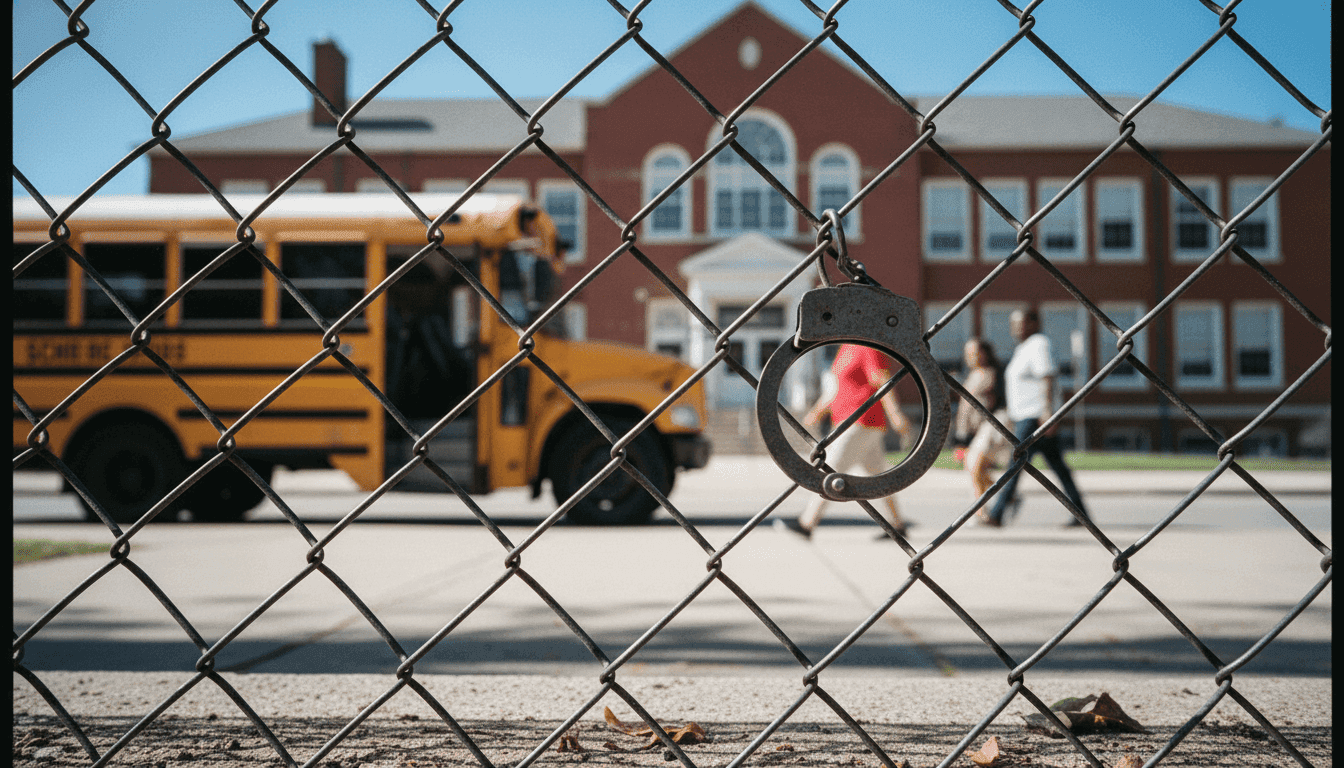
A significant Columbia drug bust has led to the arrest of 41 individuals and formal charges against eight for dealing illicit substances near school zones, underscoring ongoing efforts to combat drug trafficking and protect vulnerable communities. The operation, which culminated on Friday, May 1, 2026, represents a concerted effort by law enforcement agencies to disrupt the flow of narcotics within the city, particularly in areas frequented by children.
The State reported details of the extensive sweep, highlighting the gravity of charges related to school proximity. While 41 arrests were made, the focus on the eight individuals charged with dealing near schools signals a prioritized approach to prosecuting offenses that pose a direct threat to public safety and youth welfare. This targeted enforcement sends a clear message about the legal repercussions for those who exploit the vulnerability of school environments for illicit gain.
Impact Analysis
This Columbia drug bust carries significant implications for the broader crime and justice landscape in the region. The high number of arrests, particularly the charges concerning school zones, reflects an intensified focus by law enforcement on community-level drug operations. Such operations often destabilize neighborhoods, contributing to other forms of crime and eroding public trust. By targeting dealers operating near schools, authorities are addressing a critical nexus where drug activity directly endangers young people and creates unsafe environments for learning and play.
The charges related to proximity to schools invoke stricter penalties under state and federal laws, demonstrating a judicial system designed to offer enhanced protection to educational institutions. This enforcement strategy aims to deter future drug dealing in these sensitive areas, potentially leading to a decrease in drug-related incidents around schools. It also suggests a shift towards proactive policing and intelligence-led operations rather than merely reactive responses to reported incidents.
“The persistent targeting of drug dealing near schools is a critical component of safeguarding our future generations and restoring community confidence in public safety.”
Furthermore, the scale of the Columbia drug bust indicates a well-coordinated effort between various law enforcement entities, which is crucial for tackling complex criminal networks. Inter-agency collaboration often leads to more comprehensive investigations and successful prosecutions, moving beyond individual arrests to dismantle larger trafficking operations. This collaborative model could serve as a blueprint for future law enforcement initiatives in other municipalities facing similar challenges.
Context & Background
Drug dealing, particularly in proximity to schools, has been a persistent issue in many urban and suburban areas across the nation. Historically, legislation has been enacted to impose harsher penalties on individuals caught dealing drugs within designated distances of schools, parks, and other youth-centric locations. These ‘drug-free school zone’ laws were established to create buffer zones, intending to shield children from the pervasive influence and dangers associated with drug transactions.
In recent years, law enforcement agencies have increasingly utilized intelligence gathering and community tips to identify and dismantle these localized drug networks. The approach often involves undercover operations, surveillance, and extensive data analysis to map out distribution chains and identify key players. This Columbia drug bust aligns with a national trend of intensified efforts to disrupt street-level drug markets, which are often linked to broader organized crime activities and the distribution of more dangerous substances like fentanyl and methamphetamine. Related crime & justice articles often highlight the cyclical nature of drug enforcement and the ongoing challenges faced by communities.
What’s Next
Following the significant Columbia drug bust, the legal proceedings for the 41 arrested individuals, and especially the eight charged with dealing near schools, will commence. This will involve initial appearances, bond hearings, and potentially grand jury indictments. Prosecutors will likely leverage the enhanced penalties associated with school zone offenses to pursue convictions, aiming for sentences that reflect the severity of endangering children and communities.
The broader implications could include increased surveillance around school areas and public spaces, potentially leading to further arrests. Community leaders and school officials will likely review existing security protocols and drug prevention programs in light of these events. There may also be a push for additional resources to support anti-drug initiatives and rehabilitation programs, addressing the root causes and societal impacts of drug abuse. The long-term success of this operation will be measured not just by convictions but by a sustained reduction in drug activity in Columbia’s most sensitive areas.
Key Takeaway
The Columbia drug bust, culminating in 41 arrests and eight specific charges for dealing near schools, underscores the relentless commitment of law enforcement to protect vulnerable populations and maintain community safety. This operation serves as a potent reminder of the severe legal consequences for those who engage in drug trafficking, particularly when targeting areas frequented by children. It highlights the ongoing struggle against illicit drug markets and the imperative for continued vigilance, inter-agency cooperation, and community engagement to foster safer environments for all citizens.