In a case that sent shockwaves through the UK’s investment community, Andrew Nathaniel Skeene, a British national born in November 1977, stands as a stark reminder of the devastating impact of sophisticated financial deception. Convicted and sentenced on Wednesday, April 8, 2026, for his central role in a £37 million “green investment” fraud, Skeene’s actions left approximately 2,000 investors, including many pensioners, facing financial ruin and profound distress. His elaborate scheme, peddling phantom teak plantations in Brazil, was a masterclass in exploiting trust and the burgeoning interest in ethical investments.
Who Is Andrew Nathaniel Skeene?
Before the unravelling of Global Forestry Investments (GFI), Andrew Nathaniel Skeene presented himself as a director at the helm of a promising venture. Details of his early career or public persona are scarce, but his later actions reveal a sophisticated operator capable of orchestrating complex financial structures designed to obscure his true intentions. Together with his accomplice, Junie Conrad Omari Bowers, Skeene cultivated an image of legitimacy, leveraging the appeal of environmental protection and community support to draw in unsuspecting investors. His seemingly respectable position, however, belied a deep-seated intent to defraud, ultimately leading to his arrest at Heathrow Airport on June 29, 2019, marking the beginning of the end for his illicit empire.
The Scheme Exposed
Between August 2010 and December 2015, Andrew Nathaniel Skeene and Bowers meticulously crafted and operated three fraudulent investment schemes: Belem Sky Plantation, Para Sky Plantation, and Para Grosso Sky Plantation. These schemes were marketed as secure, ethically sound opportunities to invest in Brazilian teak tree plantations, promising not only robust financial returns but also a positive environmental and social impact. Investors were assured their capital would be used to purchase teak plots, with a guaranteed minimum 10% annual return – an enticing prospect that proved too good to be true. The minimum investment was £5,000, supposedly buying a plot of around 100 trees.
In reality, the promise of lush teak plantations and ethical forestry was a mere façade. Little to no legitimate activity occurred on the ground in Brazil. Instead, Skeene and Bowers systematically siphoned off investors’ life savings and pensions. They established an intricate web of companies and accounts, employing nominee or “straw directors” to mask their beneficial ownership and the true flow of funds. A staggering £13 million from plot sales was funnelled directly into their personal bank accounts. During the scheme’s peak, Skeene and Bowers collectively withdrew approximately £750,000 in cash and splurged an additional £2 million on retail, luxury goods, and entertainment. Most notably, Skeene used investor funds to finance his lavish wedding, while Bowers indulged in the purchase of a Bentley Continental GT – stark evidence of their personal enrichment at the expense of their victims.
Following the Money
The scale of the GFI fraud was immense, deceiving approximately 2,000 investors and collectively pilfering around £37 million of their hard-earned savings and pensions. The SFO’s meticulous money tracing exercise revealed how these funds were diverted from their stated purpose into the personal coffers of Skeene and Bowers. While a significant portion was directly transferred to their accounts, the remainder was dissipated through cash withdrawals and luxury purchases, leaving little trace for recovery. On July 28, 2025, Andrew Skeene was ordered to pay back £170,000 within three months, or face an additional two years in prison – a fraction of the total amount stolen, highlighting the difficulty in recovering funds once they have been laundered and spent. His accomplice, Bowers, was ordered to pay a nominal sum of £1 due to a lack of funds, though the SFO retains powers to revisit this if his financial position improves.
The Investigation
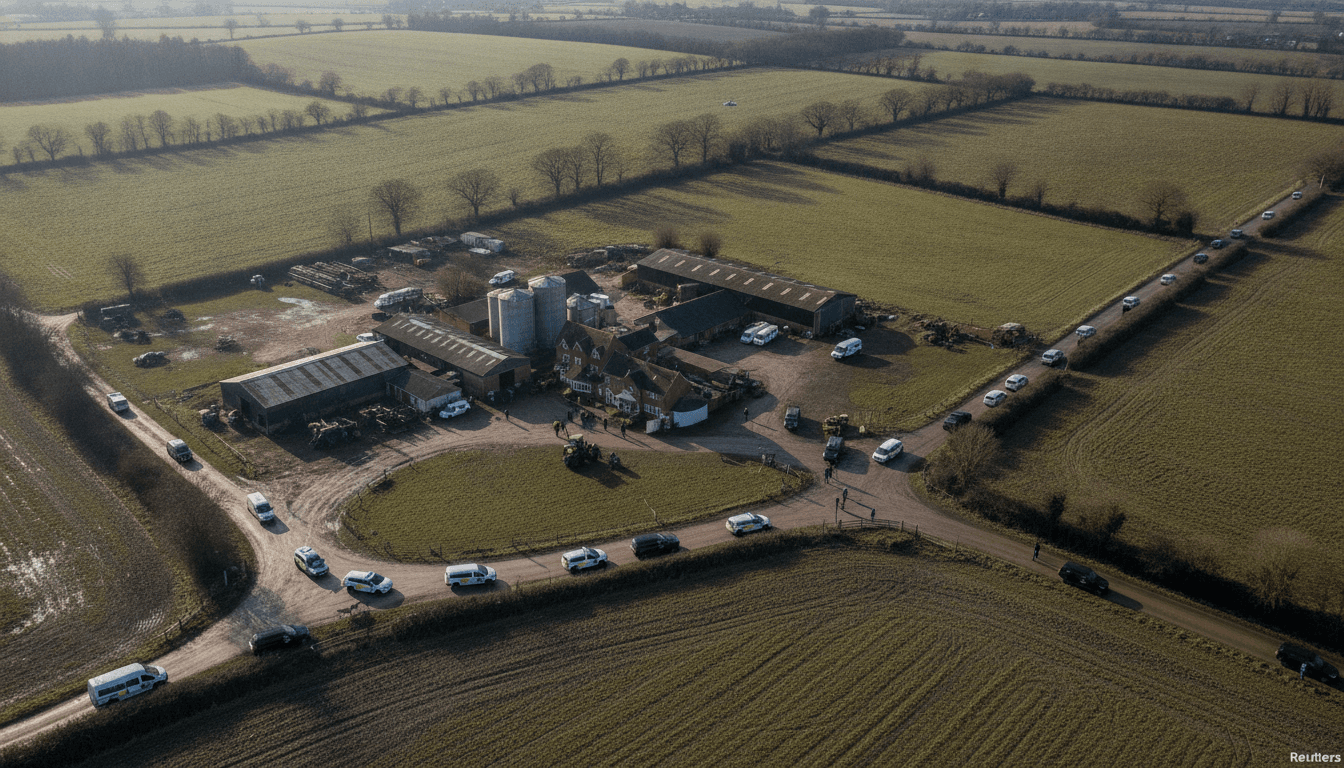
The fraudulent activities of Global Forestry Investments first caught the attention of the Serious Fraud Office (SFO) in 2014. On February 25, 2015, the SFO officially launched a criminal investigation, executing search warrants at two sites in the southeast of England. The investigation, a testament to “exceptional investigatory work,” was complex, uncovering an intricate network of money transfers, forged documents, and invented identities. Crucial assistance was provided by the Brazilian Ministério Público Federal through mutual legal assistance requests, underscoring the international scope of the fraud and the collaborative effort required to dismantle it. The Insolvency Service also played a role, conducting its own probe into GFI following its compulsory liquidation. The meticulous analysis of extensive communications between the defendants and the painstaking money tracing exercise were pivotal in building the case against Skeene and Bowers.
Victims Left Behind
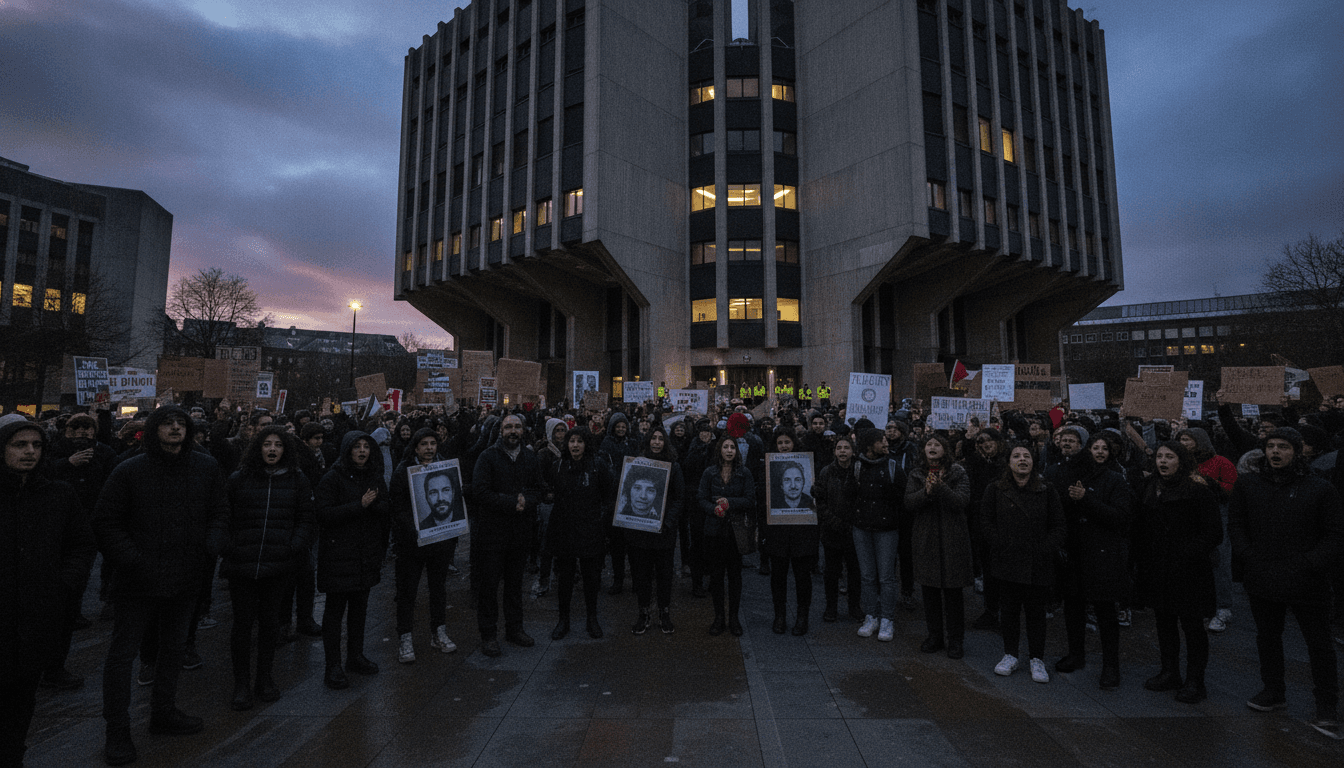
The human cost of the GFI fraud is immeasurable. The 2,000 victims, many of whom were pensioners and savers, invested their life savings in what they believed was a legitimate, ethical, and secure “green investment.” The judge in the case poignantly highlighted the “serious detrimental impact” the schemes had on investors. For many, the dream of a comfortable retirement was shattered, replaced by “prolonged distress and mental anguish.” Lives were irrevocably altered, with some individuals prevented from retiring, their financial security obliterated by the greed of Skeene and Bowers. The promise of environmental stewardship and community support, which had drawn many to invest, ultimately became another layer of deceit in their devastating financial loss.
Justice & Consequences
Andrew Nathaniel Skeene was formally charged on July 9, 2019, with three counts of conspiracy to defraud, four counts of forgery, one count of misconduct in the course of winding up, and one count of making a false statement not under oath. His accomplice, Junie Conrad Omari Bowers, was charged with the same offenses on July 31, 2019. After a lengthy legal process, a jury at Southwark Crown Court returned guilty verdicts for both Skeene and Bowers on May 31, 2022, on three counts of conspiracy to defraud and one count of misconduct in the course of winding up a company. On June 15, 2022, they were each sentenced to 11 years imprisonment and received 10-year director disqualification orders. Their attempts to appeal both their sentences and convictions were ultimately rejected by the Court of Appeal on January 21, 2025, solidifying their fate. The subsequent confiscation order against Skeene for £170,000, while substantial, represents only a fraction of the total stolen, a common outcome in complex fraud cases where assets are often hidden or spent.
Lessons Learned
The Global Forestry Investments case offers crucial related fraud investigations insights into the red flags that investors should vigilantly look for. The promise of “unrealistic returns,” such as the GFI’s minimum 10% annual return, should always be met with skepticism, especially for investments marketed as low-risk or “safe and steady.” The appeal of “greenwashing” and ethical investment claims, while positive in principle, can be exploited by fraudsters to lend an air of legitimacy to their schemes. A significant red flag was the “lack of transparency,” evidenced by the complex company structures and the use of nominee directors to obscure the true beneficiaries – Skeene and Bowers. Furthermore, the judge noted that the information provided to investors was either false or misleading from the outset, or became so without correction. The lavish lifestyles of the directors, funded by investor money, should also serve as a stark warning sign. Finally, claims of SIPP-compatibility, while seemingly legitimate, can be used to lure pension holders, adding a layer of perceived security that may not exist. Investors must exercise extreme caution, conduct thorough due diligence, and seek independent financial advice when confronted with schemes promising high returns, especially those with an opaque structure.
“The schemes had a serious detrimental impact on investors, preventing some from retiring and causing prolonged distress and mental anguish.”
The case of Andrew Nathaniel Skeene underscores the imperative for individuals to be acutely aware of the sophisticated tactics employed by fraudsters. Always question promises of guaranteed high returns, scrutinize the transparency of an investment’s structure, and be wary of any venture that seems to prioritize personal luxury for its directors over the legitimate growth of the investment itself. Your financial future depends on vigilance and informed decision-making.