BERLIN, GERMANY – Andreas M., a German national, has been convicted of sanctions evasion after orchestrating an elaborate scheme to illegally export 111 armored luxury cars to Russia, German Customs announced Thursday, March 12, 2026. The sophisticated operation, which funneled an estimated €20 million in proceeds, flagrantly violated EU sanctions designed to pressure Moscow.
The conviction marks a significant victory for German authorities in their ongoing efforts to enforce international sanctions and dismantle illicit financial networks. Andreas M. was sentenced to six years in jail and has been in detention since his arrest in November 2024. The court also ordered the confiscation of approximately €20 million, representing the illicit gains from the criminal enterprise.
The Charges Against Andreas M.
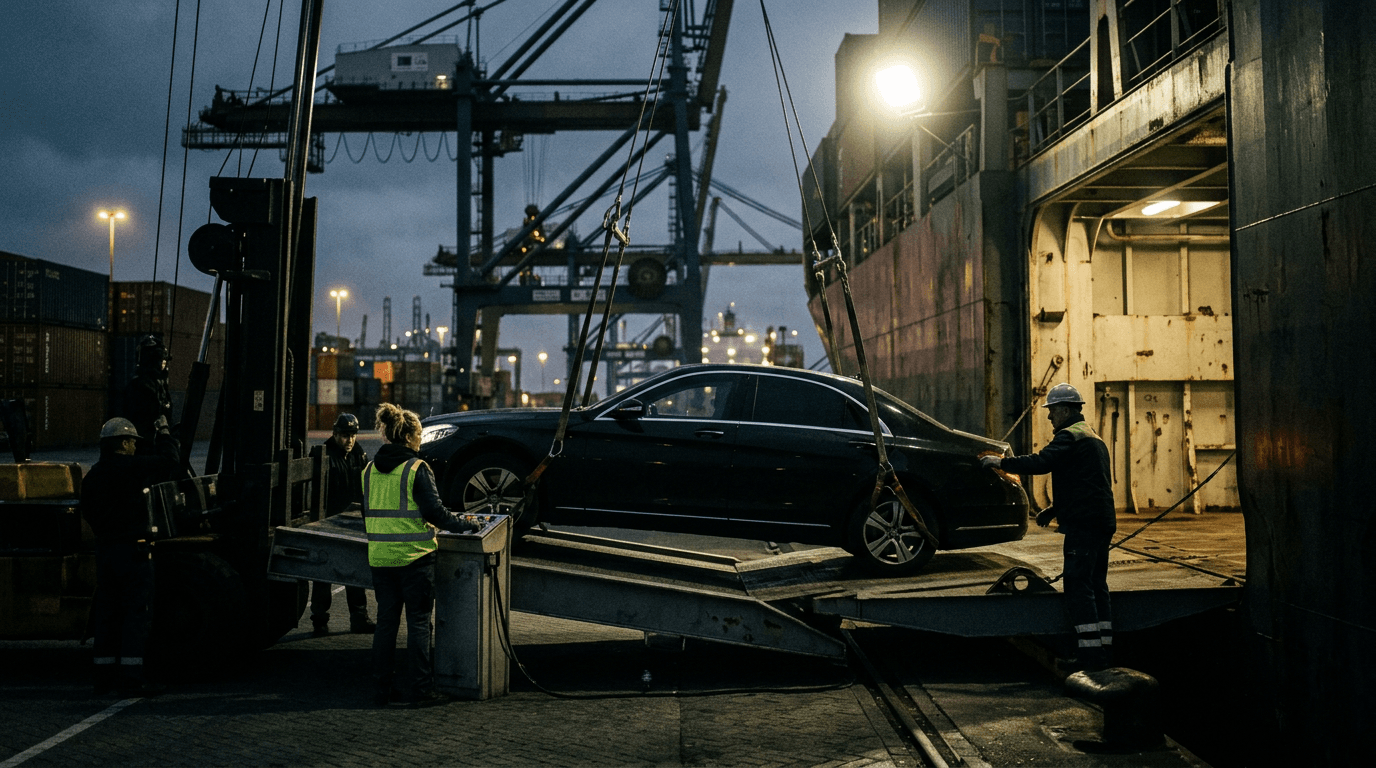
Andreas M. faced charges stemming from his role as the main defendant in an extensive operation that bypassed critical EU sanctions. He was found guilty of illegally exporting 111 armored luxury vehicles to Russia. These high-value cars, specifically targeted by EU sanctions, were acquired through a complex network of shell companies before being shipped to customers that included various Russian state agencies and state-owned corporations. The scale of the ambition was further revealed by plans to export an additional 400 cars, valued at €40 million, before the scheme was ultimately exposed.
The mechanism involved creating an “extensive procurement network of shell companies” to obscure the true nature of the transactions and the ultimate destination of the luxury vehicles. This intricate web allowed Andreas M. and his co-conspirators to acquire the vehicles in Germany and then funnel them to Russia, circumventing legitimate export controls and financial oversight. Another defendant, Inna W., who pleaded guilty before the trial, received a two-year suspended sentence, highlighting the varying degrees of involvement in the illicit operation.
The direct financial impact of the scheme is underscored by the court’s order to confiscate approximately €20 million in criminal proceeds. This figure represents the confirmed gains from the illegal export of the 111 vehicles. The planned export of an additional 400 cars, valued at €40 million, illustrates the potential for even greater financial damage and highlights the significant disruption caused by German Customs’ intervention. The primary victims of this crime are the integrity of the European Union’s sanctions regime and the collective efforts of member states, including Germany, to exert diplomatic and economic pressure on Russia.
Andreas M. is a German national whose involvement in this high-profile sanctions evasion case has brought him to national attention. Beyond his role as the orchestrator of this sophisticated export network, specific details about his age or prior professional background are not publicly available. His leadership in the scheme, however, points to a deep understanding of international trade mechanisms and a deliberate intent to exploit loopholes for illicit gain.
The investigation and prosecution were meticulously carried out by German Customs. While the specific trigger for the initial discovery of the fraud remains undisclosed, the nature of the scheme—involving an “extensive procurement network of shell companies”—suggests a complex unravelling of financial trails and corporate structures. Sanctions evasion schemes often rely on obfuscation, making the work of agencies like German Customs critical in tracing illicit funds and goods through intricate global pathways. The raids related to the investigation were conducted in 2024, leading to Andreas M.’s arrest in November 2024. He subsequently pleaded guilty midway through his trial, a move often indicative of overwhelming evidence presented by the prosecution.
“The conviction of Andreas M. sends a clear message that Germany is committed to rigorously enforcing international sanctions and will pursue those who seek to undermine global stability for personal profit.”
With Andreas M. now convicted and sentenced to six years in jail, the immediate legal proceedings for the main defendant conclude. He has been in detention since November 2024, a period that will be credited against his sentence. The confiscation of €20 million represents a significant recovery of illicit assets. While the immediate case against Andreas M. is closed, authorities may continue to monitor for any remaining elements of the network or other individuals who may have facilitated his operations. This case serves as a stark warning to others considering similar illicit activities.
For businesses and individuals, this case underscores the critical importance of robust compliance frameworks. Red flags that could have prevented this scheme include the use of shell companies and complex corporate structures lacking transparency, which are often employed to obscure ultimate beneficial ownership and transaction purposes. Unexplained indirect transactions, inconsistent or incomplete documentation, and dealings with entities in high-risk jurisdictions should trigger immediate scrutiny. Furthermore, the nature of the goods themselves – luxury armored vehicles – should always raise a red flag when destined for sanctioned regions. Companies must conduct thorough due diligence on all partners, supply chains, and end-users to ensure compliance with international sanctions and prevent inadvertently becoming part of an illicit network. Staying vigilant against these indicators is paramount to protecting against related fraud investigations and maintaining ethical business practices.