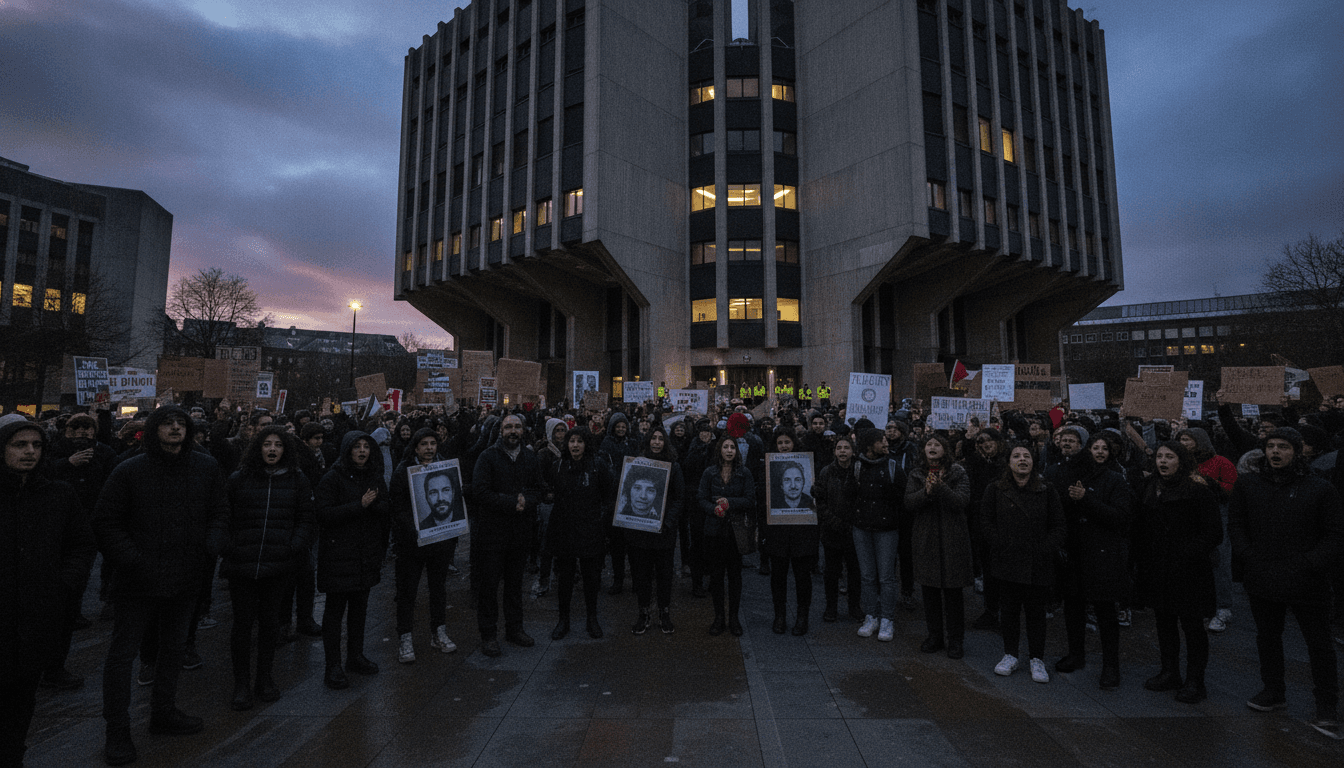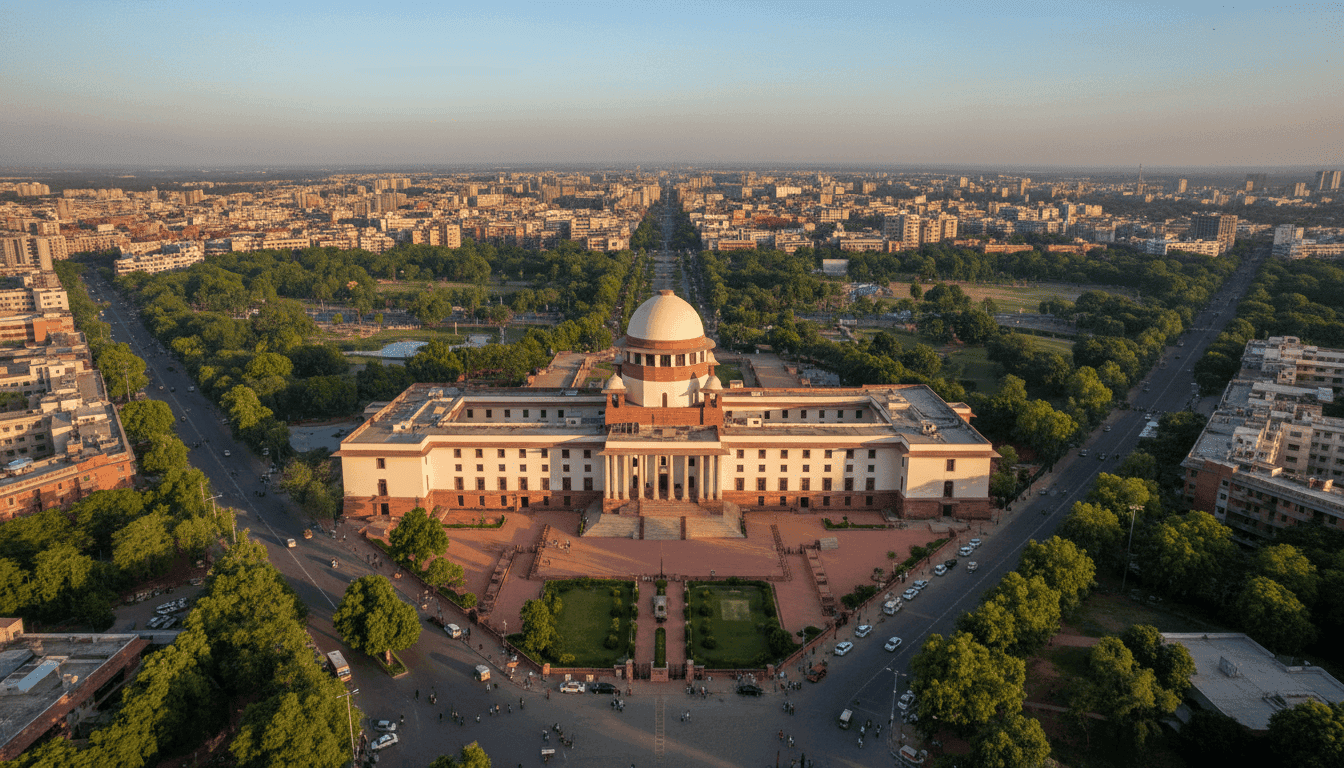
The Supreme Court on Thursday, April 23, 2026, issued a significant order, staying the Chhattisgarh High Court’s verdict which had handed a life term to Amit Jogi, son of former Chhattisgarh Chief Minister Ajit Jogi, in the Jaggi murder case. This development marks a pivotal moment in a long-running legal battle, effectively pausing the implementation of the High Court’s judgment and allowing for a further review of the evidence and arguments.
The case revolves around the murder of Nationalist Congress Party (NCP) treasurer Ram Avtar Jaggi in June 2003. Amit Jogi was accused of orchestrating the assassination, a charge he has consistently denied. The trial court had initially acquitted him in 2007, but the High Court overturned that decision, convicting him and imposing a life sentence. The Supreme Court’s stay now reopens the complex legal questions surrounding the case, pushing the final resolution further into the future.
The implications of this stay are far-reaching, particularly for Amit Jogi and his political career. As the son of a prominent political figure, his legal battles have always been under intense public scrutiny. The High Court’s life term verdict had cast a shadow over his future, but the Supreme Court’s intervention offers a temporary reprieve and the possibility of a different outcome. For the family of Ram Avtar Jaggi, the stay means continued uncertainty and a prolonged wait for definitive justice.
Impact Analysis
This Supreme Court decision to stay Amit Jogi life term carries significant weight within India’s crime and justice landscape. It underscores the multi-layered nature of the judicial process, where a conviction at one level can be challenged and re-evaluated at a higher one. Such stays are not uncommon, but in high-profile cases involving political figures, they often draw intense public and media attention, raising questions about judicial independence and the fairness of the system.
“The Supreme Court’s intervention reiterates the principle of ‘innocent until proven guilty beyond reasonable doubt’ and the exhaustive appellate process available in our legal system. It’s a reminder that even after a High Court conviction, the highest court can find grounds for further scrutiny.”
The ruling also highlights the persistent challenges in achieving finality in complex criminal cases, especially those with political undertones. The length of time elapsed since the 2003 murder – over two decades – is a testament to the slow grind of justice, a common critique of the Indian legal system. This case will undoubtedly be cited in discussions about judicial delays and the need for expedited trials, particularly for cases that have such a profound impact on public trust in institutions. For more insights into judicial delays, see our related crime & justice articles.
Context & Background
The Jaggi murder case originated in June 2003 with the assassination of Ram Avtar Jaggi, a key figure in the Nationalist Congress Party. The subsequent investigation and trial became highly politicized, largely due to Amit Jogi’s familial connection to the then-Chief Minister, Ajit Jogi. The initial acquittal by the trial court in 2007 was met with skepticism by some, leading to an appeal that culminated in the High Court’s recent conviction and the imposition of a life sentence. This trajectory illustrates the often-contentious journey of justice in cases where powerful individuals are implicated.
The political landscape of Chhattisgarh has also been intertwined with this case. Ajit Jogi, a prominent leader, faced numerous allegations during his tenure, and the Jaggi murder case was one of the most high-profile controversies associated with his family. The ongoing legal battle for Amit Jogi life term has therefore not just been a personal struggle but also a significant factor in the political narrative of the state.
What’s Next
With the Supreme Court staying the High Court’s verdict, the case will now proceed to a full hearing before the apex court. This means that the legal teams for both the prosecution and Amit Jogi will present their arguments and evidence once again. The Supreme Court will meticulously examine the findings of both the trial court and the High Court, focusing on points of law, interpretation of evidence, and adherence to due process. There is no immediate timeline for this final hearing, but such processes can often take months, if not years, to conclude.
The outcome could range from the Supreme Court upholding the High Court’s conviction, to overturning it and reinstating the trial court’s acquittal, or even ordering a fresh trial. Each scenario carries significant implications for Amit Jogi’s future, his political aspirations, and the perception of justice in the state. The legal community will be closely watching how the Supreme Court navigates the complex web of evidence and legal precedents in this high-stakes case.
Key Takeaway
The Supreme Court’s decision to stay Amit Jogi life term in the Jaggi murder case on April 23, 2026, is a stark reminder of the protracted and often unpredictable nature of high-profile criminal justice in India. It underscores that legal battles, especially those involving politically connected individuals, are rarely straightforward and can span decades, moving through multiple judicial tiers. The ongoing saga continues to test public faith in the speed and impartiality of the justice system, highlighting the persistent need for efficiency while upholding rigorous legal scrutiny. This case will undoubtedly remain a significant reference point in discussions about judicial process, political influence, and the pursuit of justice in India’s complex legal landscape. Further developments will be critical for understanding its ultimate impact on both the individuals involved and the broader legal framework. For further analysis on such cases, refer to our extensive crime & justice reporting.