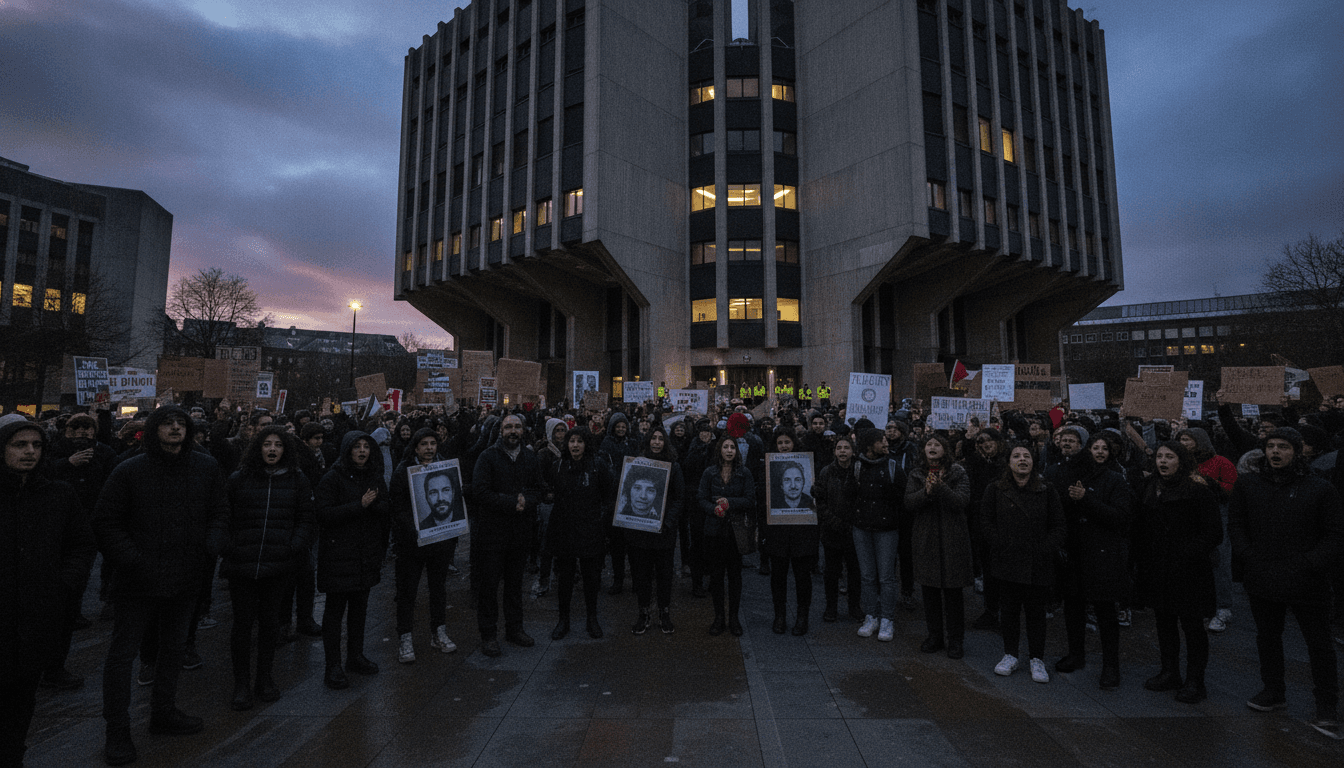
A dramatic manslaughter verdict has been delivered in the high-profile case of Caleb Cegers, who was found guilty of manslaughter – not murder – in the 2023 fatal shooting of Taylor Wyss. The jury’s decision, announced on Thursday, April 16, 2026, marks a pivotal moment in a case that has gripped public attention, redefining the legal trajectory for Cegers and offering a complex resolution for the victim’s family.
The Story: Caleb Cegers Guilty of Manslaughter
The core of this legal battle revolved around the tragic events of 2023, culminating in the death of Taylor Wyss. While specific details surrounding the shooting itself were not disclosed in the immediate aftermath of the verdict, the trial saw prosecutors argue for a murder conviction, implying premeditation or malice aforethought. The defense, however, successfully presented a case that led the jury to conclude that Cegers’ actions, while resulting in a fatality, did not meet the higher legal threshold for murder. The distinction between murder and manslaughter hinges on intent and the circumstances surrounding the act. Manslaughter often implies a lack of premeditation, an act committed in the heat of passion, or through reckless negligence, rather than a deliberate intent to kill. The jury’s finding of Caleb Cegers guilty of manslaughter suggests they believed the shooting, though fatal, was not carried out with the specific intent or malice required for a murder conviction. This outcome reflects the complex evidentiary presentations and legal arguments made by both sides throughout the trial.
Impact Analysis
This verdict sends ripples through the broader crime and justice landscape, particularly concerning how intent is prosecuted and perceived in fatal shooting cases. For the family of Taylor Wyss, the decision brings a form of closure, yet perhaps not the definitive justice they might have sought with a murder conviction. For the legal community, it underscores the critical role of jury deliberation and the nuances of distinguishing between degrees of culpability in violent crimes. It also highlights the challenges prosecutors face in proving intent beyond a reasonable doubt, especially when circumstances are ambiguous or open to interpretation. This case could become a touchstone in future discussions about sentencing guidelines for manslaughter in Oregon, potentially influencing how similar cases are approached by both prosecution and defense teams. Related crime & justice articles often explore the public’s perception of such verdicts and the ongoing debate about justice for victims.
“The distinction between murder and manslaughter is often a fine line, heavily dependent on the specific intent proven in court. This verdict demonstrates the jury’s careful consideration of that critical difference.”
Context & Background
Fatal shootings, particularly those that proceed to trial, are often scrutinized intensely by the public and legal experts alike. The 2023 shooting of Taylor Wyss was no exception, drawing significant community interest. While the source material does not elaborate on the specific circumstances leading to the shooting, such cases frequently involve complex personal histories, disputes, or accidental encounters. The legal framework in Oregon, like many states, provides clear definitions for various degrees of homicide, requiring juries to meticulously weigh evidence against these definitions. This verdict for Caleb Cegers guilty of manslaughter, rather than murder, indicates that the prosecution’s evidence, while strong enough to secure a conviction for a fatal crime, did not fully convince the jury of the necessary intent for the more severe charge.
What’s Next
With Caleb Cegers guilty of manslaughter, the next critical phase will be sentencing. While the specific sentencing guidelines for manslaughter in Oregon are not detailed in the immediate report, it is typically a felony offense carrying significant prison time, though less severe than a murder conviction. Both the prosecution and defense will likely present arguments regarding mitigating and aggravating factors during the sentencing hearing. This could include Cegers’ past record, expressions of remorse, or the specific details of the shooting that influenced the jury’s decision. The Wyss family will also have the opportunity to deliver victim impact statements, which often play a crucial role in sentencing decisions. Appeals are also a possibility following a conviction, which could prolong the legal proceedings for months or even years. Further updates on the sentencing and any potential appeals will be closely watched by those interested in the case and the broader legal community. For more on judicial processes, see our coverage on recent legal precedents.
Key Takeaway
The jury’s decision to find Caleb Cegers guilty of manslaughter, rather than murder, underscores the intricate nature of intent in criminal law and the profound impact of jury deliberation. This verdict highlights the legal system’s attempt to calibrate justice based on the specific culpability proven in court, offering a nuanced outcome in a case marked by tragic loss. It serves as a reminder that the path to justice is rarely straightforward, often involving complex legal distinctions that can significantly alter a defendant’s future and a victim’s family’s sense of closure.