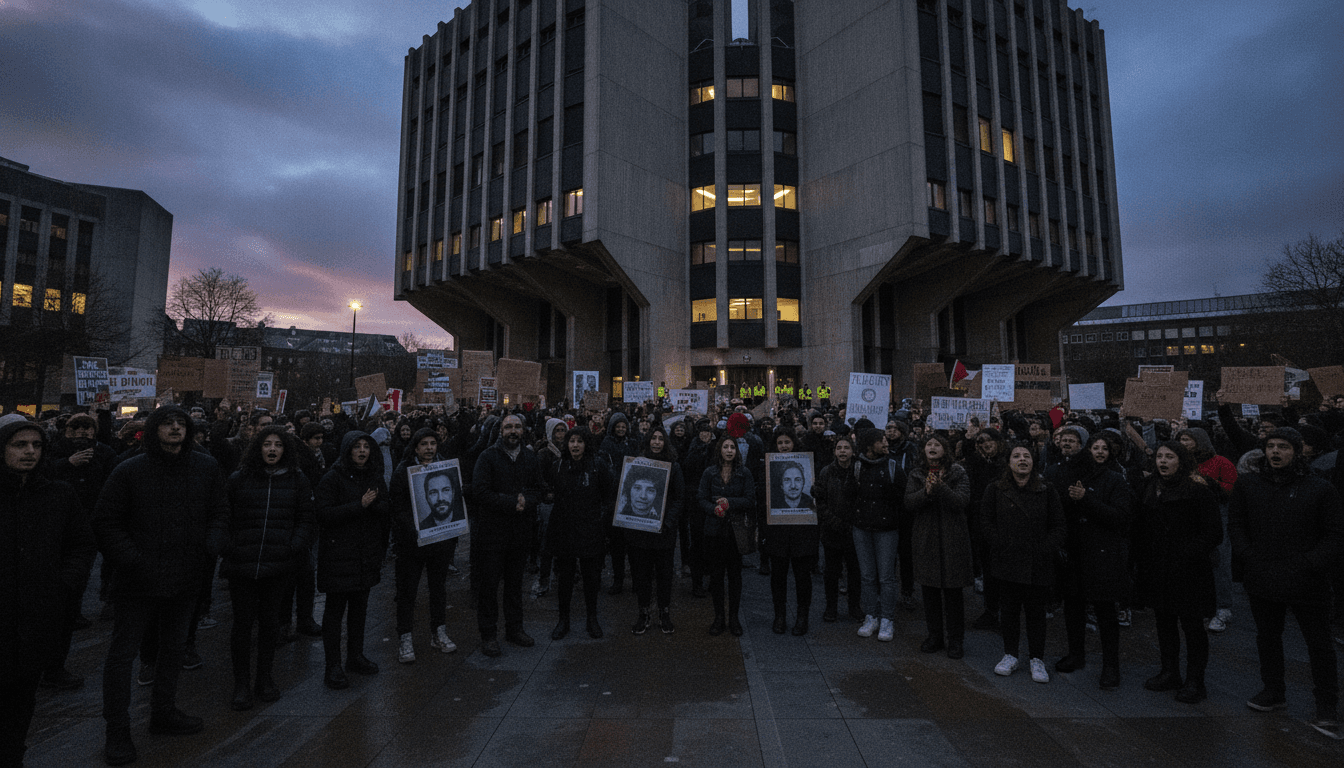
Heightened security across Dharwad is now a dramatic reality following the court verdict in the Yogesh Gowda murder case. The judicial decision, delivered on Sunday, April 19, 2026, has prompted an immediate and significant response from local law enforcement, transforming the city’s atmosphere as authorities work to pre-empt any potential unrest or public disturbance. This proactive measure underscores the high-stakes nature of the case and the community’s intense interest in its outcome, reflecting a broader trend in high-profile criminal proceedings.
The Story: A Verdict’s Ripple Effect
The Yogesh Gowda murder case has culminated in a court verdict that has reverberated throughout Dharwad. While the specific details of the verdict itself – such as convictions, acquittals, or sentences – are not explicitly stated, the police’s swift action to heighten security across Dharwad indicates a significant and potentially contentious judgment. Such measures are typically deployed when a verdict is anticipated to elicit strong reactions from various segments of the populace, potentially leading to protests, celebrations, or even retaliatory actions. The date of the verdict, April 19, 2026, marks a critical juncture in this long-running legal battle, bringing a formal conclusion to the judicial process but initiating a new phase of public management and security enforcement.
Impact Analysis
The police’s decision to heighten security across Dharwad following the Yogesh Gowda murder case verdict has immediate and far-reaching implications for public order and the rule of law. It demonstrates a pre-emptive strategy to maintain peace, a crucial aspect of modern policing in sensitive cases. This approach aims to deter any individuals or groups from taking the law into their own hands, reinforcing the authority of the judicial system. The visible presence of law enforcement also serves as a reassurance to the general public, signaling that authorities are in control and committed to ensuring safety. This incident highlights the delicate balance between upholding justice and managing societal reactions, a challenge frequently faced by judicial and law enforcement agencies in India. For more insights into such challenges, explore our related crime & justice articles.
Context & Background: A History of Tensions
The Yogesh Gowda murder case, while specific in its details, likely fits into a broader pattern of crime and justice issues that can sometimes ignite public sentiment. High-profile murder cases, particularly those involving political figures, business leaders, or individuals with significant community ties, often generate intense scrutiny and emotional responses. The need to heighten security across Dharwad suggests that the case may have been fraught with underlying tensions, perhaps related to the identities of the accused or the victim, or the nature of the crime itself. Previous instances of public unrest or significant social division stemming from judicial outcomes could also inform the current security posture, indicating a learned response from law enforcement to prevent past mistakes from recurring. The meticulous planning involved in deploying such extensive security measures points to a deep understanding of the local socio-political landscape and potential flashpoints.
“The deployment of heightened security following a significant court verdict is not merely a reactive measure, but a strategic imperative to uphold the integrity of the judicial process and ensure public safety in potentially volatile situations.”
What’s Next: Sustained Vigilance
Looking ahead, the immediate future for Dharwad involves a period of sustained vigilance and continued law enforcement presence. The heightened security across Dharwad is unlikely to be a short-term measure; rather, it will probably remain in effect until authorities are confident that the immediate threat of unrest has subsided and public order is firmly re-established. Future implications might include ongoing monitoring of social media for incitement, increased patrols in sensitive areas, and potentially, community engagement initiatives to foster dialogue and de-escalate tensions. Any appeals against the verdict, or subsequent legal proceedings, could also trigger renewed security concerns, necessitating a flexible and adaptive response from police. The long-term impact on community relations and public trust in the justice system will depend on how effectively authorities manage this post-verdict period.
Key Takeaway: Justice and Public Order
The unfolding situation in Dharwad following the Yogesh Gowda murder case verdict serves as a stark reminder of the intricate relationship between judicial outcomes and public order. The decision to heighten security across Dharwad underscores the critical responsibility of the state to not only deliver justice but also to safeguard its citizens from potential fallout. This event highlights the complexities faced by legal systems globally, where a verdict, while bringing closure to a legal battle, can open new challenges in maintaining peace and stability. The proactive and robust response by law enforcement in Dharwad provides a crucial case study in managing the societal impact of high-stakes legal decisions, emphasizing the need for strategic planning and decisive action to prevent chaos and uphold the rule of law. For further reporting on high-profile legal cases and their societal impact, visit our crime & justice section.