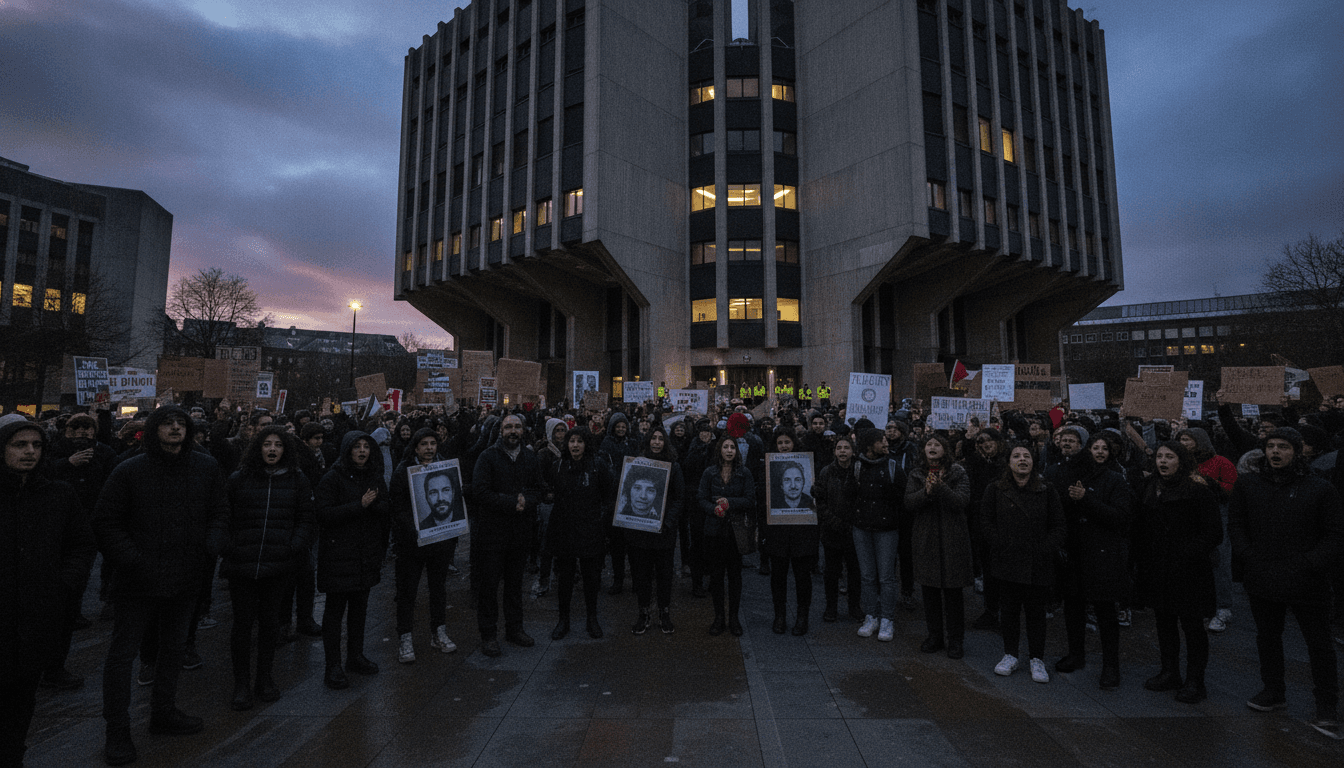
Ben Roberts-Smith war crime charges have sent shockwaves through Australia’s military and legal communities, as the decorated former soldier was released from prison on bail on Friday, April 17, 2026. This development follows his formal charging with five counts of war crime murder, marking a significant escalation in a long-running and highly scrutinised saga.
The former Victoria Cross recipient, whose name has become synonymous with both valor and controversy, faces allegations that strike at the core of military conduct and international humanitarian law. The charges, laid against a figure once celebrated as a national hero, underscore the gravity of the accusations and the unwavering commitment of authorities to pursue justice, irrespective of prior accolades. While the specific details of the alleged incidents remain under wraps due to ongoing legal processes, the sheer number of murder charges indicates a comprehensive investigation into multiple alleged unlawful killings during his service.
Impact Analysis
The charging and subsequent bail release of Ben Roberts-Smith on five counts of war crime murder represents a pivotal moment for Australia’s justice system and its military. It signals a robust commitment to accountability, even for those at the highest echelons of military recognition. This case will undoubtedly set precedents for how allegations of war crimes are investigated, prosecuted, and perceived by the public. The legal process, expected to be lengthy and complex, will test the capacity of civilian courts to handle intricate evidence from combat zones, including witness testimonies, operational reports, and forensic data collected over years. The outcome will resonate deeply within the Australian Defence Force, potentially influencing training protocols, ethical guidelines, and the mental health support provided to personnel returning from conflict zones. Related crime & justice articles often highlight the challenges of prosecuting high-profile individuals, but this case adds the unique layer of military service and national hero status, amplifying its scrutiny.
“The pursuit of justice in this case, regardless of the accused’s past heroic deeds, underscores a fundamental principle: no one is above the law, especially when allegations involve the gravest of crimes against humanity.”
Furthermore, the case has significant implications for Australia’s international standing. As a signatory to various international conventions, Australia is obliged to investigate and prosecute war crimes. The thoroughness and fairness of this trial will be closely watched by international human rights organisations and allied nations, affecting perceptions of Australia’s adherence to the rule of law and its commitment to ethical military conduct. The Ben Roberts-Smith war crime charges are not just a domestic legal battle; they are a global statement.
Context & Background
The charges against Ben Roberts-Smith did not emerge in a vacuum. They are the culmination of years of intense scrutiny, investigative journalism, and a landmark defamation case that brought numerous allegations of misconduct into the public domain. While the defamation case was a civil matter, it provided a platform for former comrades and witnesses to detail alleged incidents of unlawful killings and bullying during his deployments to Afghanistan. The findings in that civil case, though not criminal convictions, cast a long shadow over Roberts-Smith’s reputation and undoubtedly contributed to the momentum for criminal investigation. The allegations themselves are part of a broader inquiry into potential war crimes committed by Australian special forces in Afghanistan, which gained significant public attention through the Brereton Report. This independent inquiry, released in 2020, found credible information of 39 unlawful killings by Australian soldiers, recommending criminal investigations into 19 individuals. The Ben Roberts-Smith war crime charges are a direct, high-profile outcome of this extensive investigative effort, demonstrating the government’s commitment to address the findings of the Brereton Report.
What’s Next
The immediate future for Ben Roberts-Smith involves navigating the complex legal landscape that lies ahead. His release on bail signifies the initial phase of what will likely be a protracted legal battle. The next steps will involve committal hearings to determine if there is sufficient evidence for the case to proceed to trial. Should it go to trial, it will involve extensive evidence presentation, cross-examinations, and potentially expert testimonies on military protocols and forensic evidence. Given the international nature of the alleged crimes, securing witnesses and evidence from Afghanistan could present significant logistical and diplomatic challenges. The case will likely be heard in the Federal Court, given the nature of the charges, and could span months, if not years. Appeals, regardless of the verdict, are almost certain, prolonging the final resolution. The Ben Roberts-Smith war crime charges will dominate headlines for the foreseeable future, shaping discussions around military accountability. Further crime & justice updates will be critical as this case unfolds.
Key Takeaway
The charging of Ben Roberts-Smith with five counts of war crime murder and his subsequent bail release underscore a monumental shift in how Australia confronts allegations of misconduct within its elite military ranks. This case is not merely about one individual; it is about the integrity of a nation’s defence force, its adherence to international law, and its capacity to deliver justice for the gravest of crimes. The proceedings will serve as a stark reminder that the pursuit of justice, however challenging or uncomfortable, is paramount for maintaining public trust and upholding the values that underpin a democratic society. The outcome will define a crucial chapter in Australia’s military history and its commitment to accountability.