Skoda and VW unveil four new models for the Indian market, signaling a robust expansion strategy set to unfold over the next year. The joint offensive from the automotive giants will introduce two SUVs and two sedans, aiming to invigorate their presence across various segments, from performance-oriented luxury to practical compact offerings. This strategic push, announced on Tuesday, June 9, 2026, by CarLelo, highlights a concerted effort to capture a larger share of India’s dynamic automotive landscape.
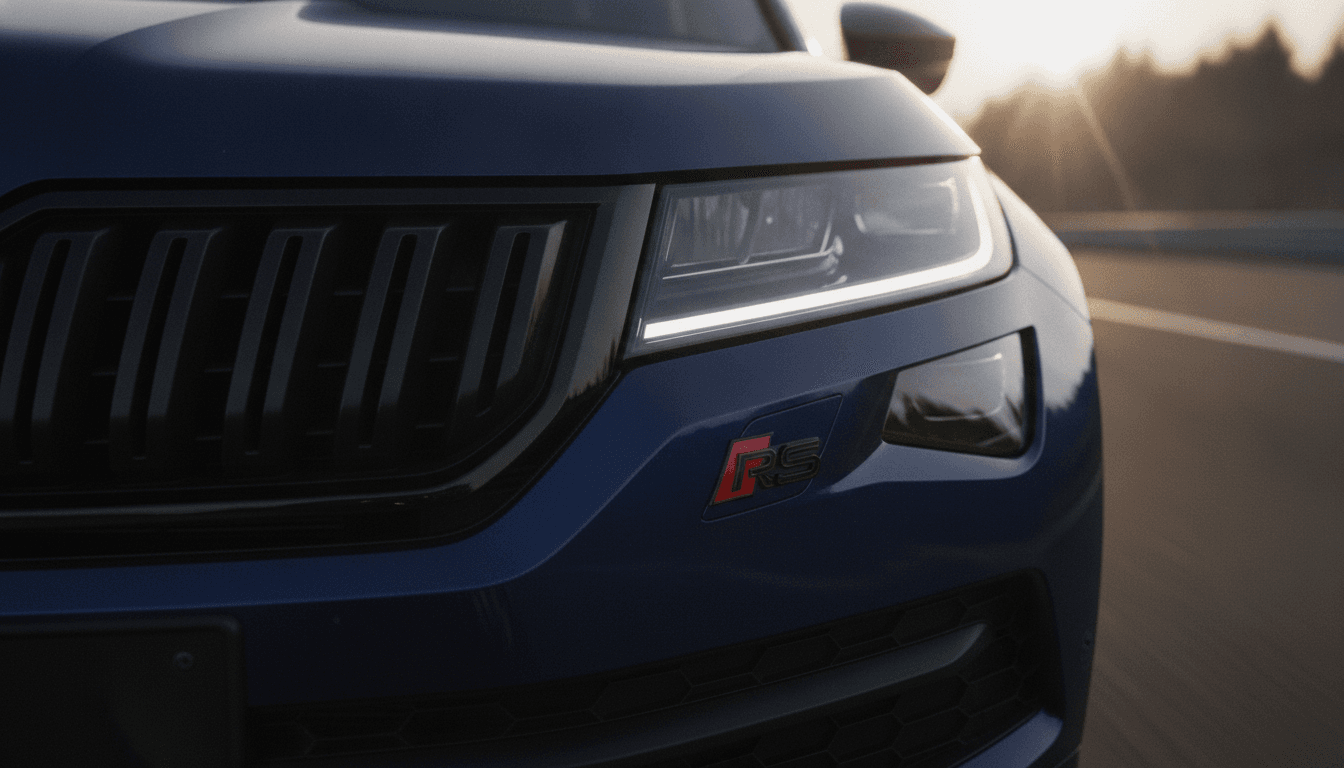
The immediate highlight of this new product pipeline is the much-anticipated Skoda Kodiaq RS, slated for launch later this month. This performance SUV will be powered by a potent 2.0-litre turbo-petrol engine, delivering 216 hp and 400 Nm of torque. Mated to a 7-speed dual-clutch automatic gearbox and an all-wheel-drive system, the Kodiaq RS is positioned to cater to enthusiasts seeking both exhilarating performance and the practicality inherent in an SUV. As a fully built import, it will occupy the premium tier above the standard Kodiaq, marking Skoda’s foray into the high-performance SUV niche within the Indian market.
Refreshed Sedans and a New Compact SUV
Beyond the Kodiaq RS, the strategy includes significant updates to their popular sedan offerings. Skoda is preparing a facelifted version of its Slavia sedan, which is expected to feature a refreshed front grille, full-LED headlamps and tail lamps, redesigned bumpers, and new alloy wheels. Internally, the Slavia facelift could see a larger digital instrument cluster and an upgraded air-conditioning system. A notable mechanical update might involve the replacement of the optional 6-speed automatic gearbox with an 8-speed unit in certain variants, promising improved efficiency and a smoother driving experience.
Following closely, Volkswagen is set to launch the updated Virtus, mirroring its sibling’s refresh. The Virtus facelift is anticipated to sport redesigned bumpers, new alloy wheels, and updated lighting, potentially including a front light bar for a more distinctive aesthetic. The cabin enhancements are expected to include a larger digital driver display, improved AC performance, and additional comfort features, aligning with evolving consumer expectations for in-car technology and luxury.
A significant long-term play for Volkswagen involves a new compact SUV for the Indian market, projected for a 2027 debut. This vehicle will leverage the versatile MQB A0 IN platform, a modular architecture shared with Skoda’s Kylaq. Powering this upcoming SUV will likely be a 1.0-litre turbo-petrol engine, generating 114 hp and 178 Nm of torque, available with both manual and automatic gearbox options. The Volkswagen compact SUV is expected to differentiate itself with a sportier design compared to its Skoda counterpart, while retaining core mechanical commonalities.
“This coordinated product offensive from Skoda and Volkswagen underscores a clear commitment to the Indian market, strategically targeting both established and emerging segments with a mix of performance, updated aesthetics, and new market entries,” stated a senior automotive analyst.
Impact Analysis on the Automotive Landscape
The introduction of these four models, particularly the performance-oriented Kodiaq RS and the new compact SUV, signifies a calculated move by the Volkswagen Group to solidify its position in one of the world’s most competitive automotive markets. The facelifts for the Slavia and Virtus are crucial for maintaining momentum in the sedan segment, which, despite the SUV boom, still holds considerable importance for Indian consumers. Upgrading features and efficiency are key to fending off rivals and retaining customer loyalty.
The compact SUV segment, where Volkswagen plans its new entry, is a high-volume, high-growth area. By utilizing the MQB A0 IN platform, the company aims for cost efficiencies and localized production advantages, which are critical for competitive pricing in India. This move positions Volkswagen to directly challenge established players and emerging entrants in a segment that continues to drive significant sales volumes.
Context and Background
The Indian automotive market has witnessed a sustained shift towards SUVs in recent years, prompting many manufacturers to re-evaluate their product portfolios. However, sedans like the Slavia and Virtus have carved out a niche for themselves, appealing to buyers who value their driving dynamics, fuel efficiency, and traditional aesthetics. Skoda and Volkswagen’s decision to refresh these models rather than phase them out demonstrates a belief in the enduring appeal of sedans, albeit with necessary modern updates.
Historically, both brands have focused on delivering European engineering and driving pleasure to Indian consumers. This new wave of launches, especially the Kodiaq RS, reinforces that brand identity by offering a premium, performance-centric option. The compact SUV, on the other hand, represents a volume play, crucial for achieving scale and market penetration in a price-sensitive segment. This balanced approach reflects a mature understanding of the diverse demands within the Indian market.
What’s Next for Skoda and VW Unveil Four New Models
Over the next year, the automotive industry will closely watch the market reception of these new models. The Kodiaq RS launch later this month will be a litmus test for the premium performance SUV segment. Subsequently, the success of the Slavia and Virtus facelifts will indicate the continued vitality of the mid-size sedan category. The most significant long-term implication, however, will stem from the 2027 launch of Volkswagen’s compact SUV. Its competitive positioning, feature set, and pricing will be critical determinants of its impact on the segment and Volkswagen’s overall market share in India. The shared platform with Skoda’s Kylaq also suggests a potential for synergistic development and cross-brand efficiencies in the future, further strengthening the group’s presence in the region.
This multi-pronged strategy by Skoda and Volkswagen to unveil four new models in India within the next year underscores a calculated and ambitious effort to navigate the complexities and capitalize on the growth opportunities in one of the world’s most dynamic automotive markets. The blend of performance, refreshed popular models, and a strategic entry into a high-volume segment positions the brands for significant advancements in their market footprint.