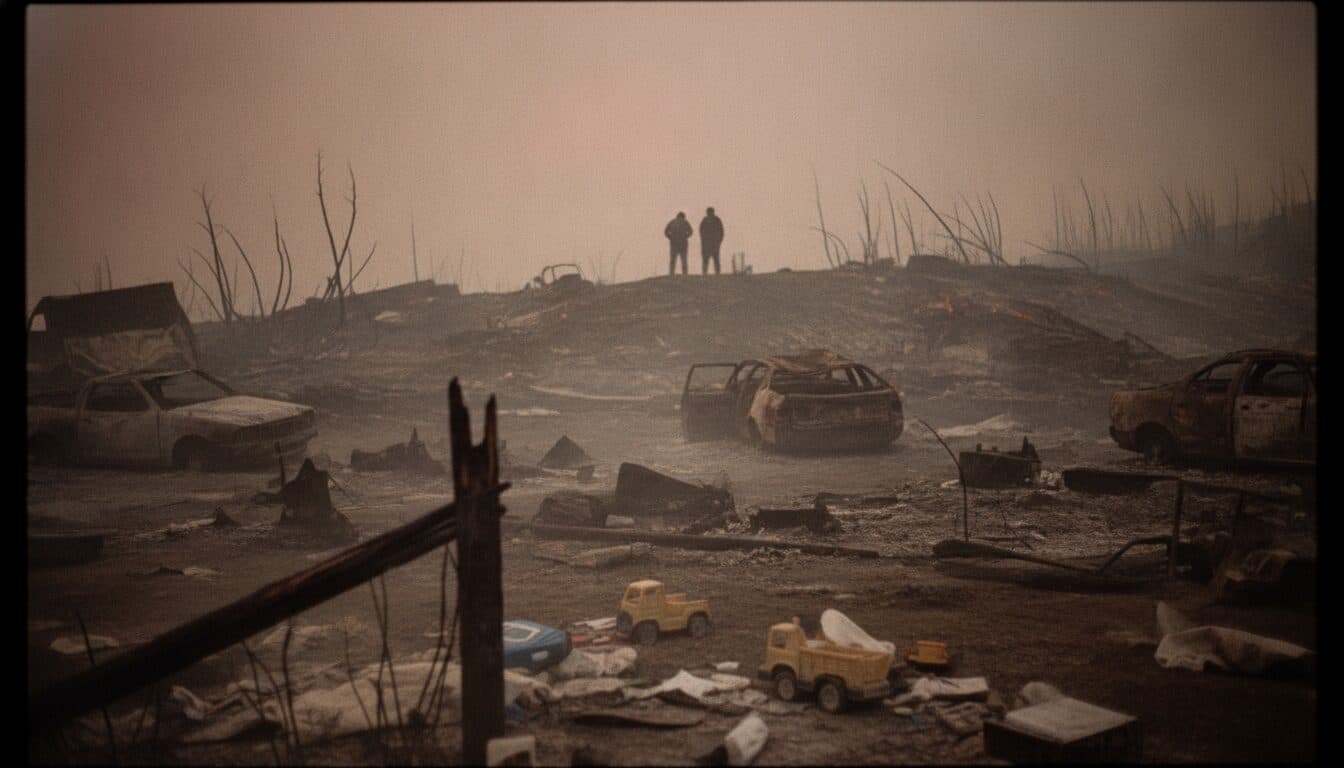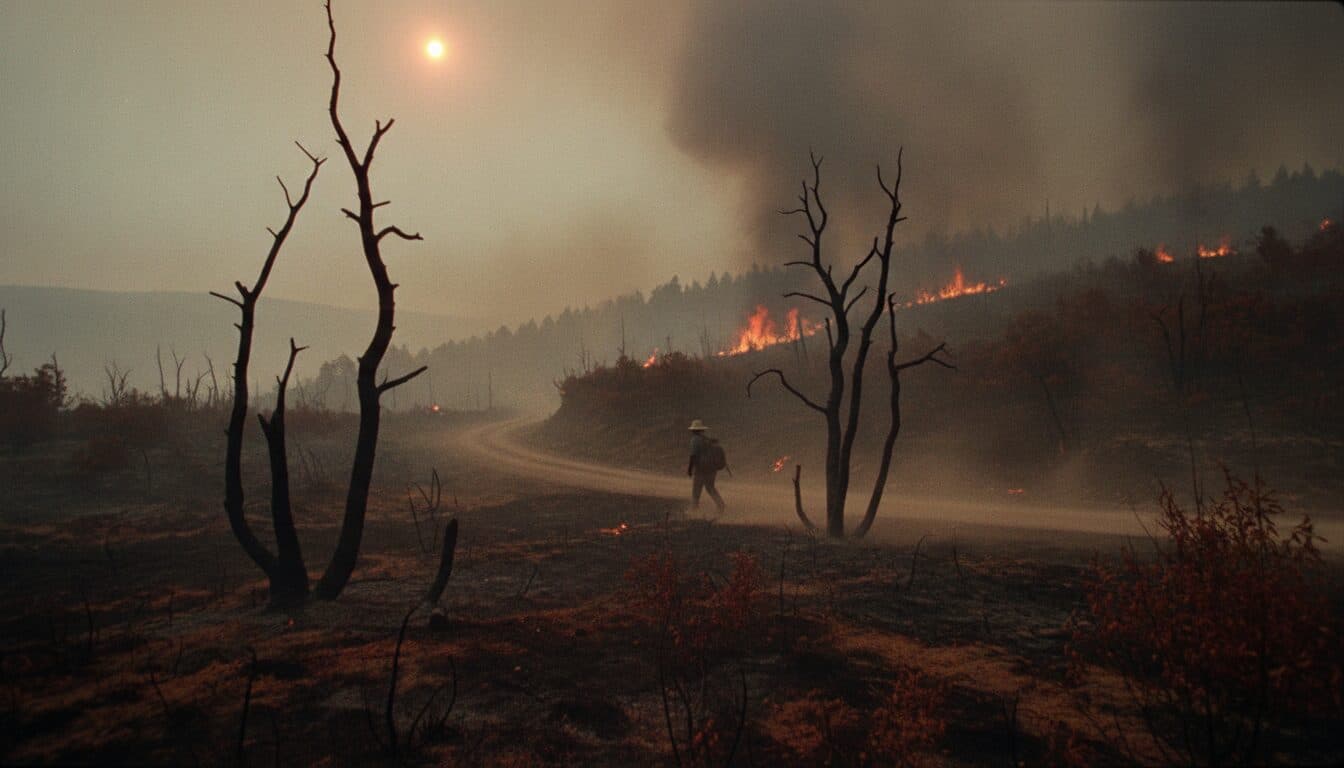
Southern Europe is grappling with an escalating wildfire crisis, with Spain declaring its first national emergency for a wildfire and France experiencing its worst wildfire year on record. The conflagrations, fueled by searing heat and tinder-dry conditions, have forced mass evacuations across both nations, impacting tens of thousands and raising significant concerns about environmental damage and economic disruption, particularly for the crucial tourism sector. This trending news story highlights the growing vulnerability of the region to extreme weather events.
Spain’s declaration of a national emergency on July 23rd, published on July 24th, underscores the severity of the situation. This unprecedented measure places the crisis under the direct authority of Interior Minister Fernando Grande-Marlaska Gómez, with operational command assigned to the Military Emergency Unit (UME). Two large blazes near Madrid, in the Madrid region and the neighboring province of Ávila, merged into a single inferno by July 24th, with a third fire threatening to join them. These fires have necessitated the evacuation of over 10,000 people from towns west of the capital, including Villa del Prado and San Martín de Valdeiglesias. Regional leader Isabel Díaz Ayuso described the situation as “the worst wildfire in our region’s history” and an “unprecedented situation: a perfect storm of extremely high temperatures and relentless winds.”
As of July 25th, the wildfires in Madrid and Ávila provinces have scorched nearly 25,000 hectares, with Ávila accounting for 13,000 to 15,000 hectares and Madrid’s toll at 9,940 hectares. More than 63,000 people have been affected, with over 30,000 evacuated and more than 20,000 confined to their homes in Madrid. In Ávila, 5,150 people were evacuated, and 8,635 remain confined. Prime Minister Pedro Sánchez, visiting the affected areas, warned that the fire situation remained complex, noting that around 130,000 hectares have already burned in Spain since January, exceeding the annual average of 100,000 hectares over the last decade. Beyond the Madrid region, Spain has faced other significant blazes in 2026, including a deadly wildfire near Los Gallardos, Almería Province, on July 9th, which claimed 13 lives and injured at least 17, making it the deadliest in Andalusian history. Another fire in Guadalajara province had burned over 32,000 hectares as of July 23rd.
Across the border in France, more than 167,000 people have been evacuated due to wildfires, primarily in the southwestern Gironde and Landes regions. This marks 2026 as France’s worst wildfire year on record, surpassing the previous high set in 2022, with 69,473 hectares burned since the start of the year. The Cap Ferret peninsula, a popular holiday destination on the Atlantic coast, has seen total evacuations ordered. A fire near Saumos in Gironde, which ignited on July 22nd, spread rapidly, forcing thousands to flee, including from some Bordeaux suburbs. French Interior Minister Laurent Nunez characterized it as a “large, self-sustaining fire that is extremely difficult to bring under control.” The blaze, about 30 kilometers west of Bordeaux, raised concerns about shifting winds pushing it closer to the city.
As of July 24th, the Gironde wildfire had consumed more than 10,000 hectares. In total, some 40,000 people were evacuated in southwestern France due to a fire that ravaged over 25,000 acres, destroying 80 homes, 50 of them completely. Another wildfire near Biscarrosse, just 40 kilometers south of Cap Ferret, devastated 2,500 hectares and led to the evacuation of over 23,000 people, including from campsites and a residential care home. French Prime Minister Sébastien Lecornu described the fires as unprecedented, noting that the Gironde blaze was generating its own winds. France has sought assistance through the EU’s civil protection mechanism, receiving three water-bombing planes. Soldiers have been mobilized, and 1.5 million face masks are being distributed against smoke. Dozens of French firefighters have been injured, though no deaths have been reported in France.
Unprecedented Wildfire Crisis Exposes Climate Vulnerabilities
The economic impact of these widespread fires is beginning to register, particularly within the tourism and agriculture sectors. Holiday destinations like Cap Ferret are deserted, and the extensive burn areas will have long-term ecological and agricultural consequences. The direct financial cost of firefighting, emergency services, and rebuilding efforts will be substantial for both Spanish and French governments. Insurance companies are bracing for a surge in claims from destroyed properties and businesses. The disruption to transport links and local economies underscores the far-reaching consequences of such environmental disasters.
The current mass evacuations and raging fires are occurring amidst successive heat waves that hit unusually early and with severe intensity this year, turning Southern Europe’s landscapes into tinderboxes. Scientists consistently warn that climate change is exacerbating the frequency and intensity of heat and dryness, making the region increasingly vulnerable to wildfires. Europe is reportedly heating at about twice the global average rate, a stark indicator of the accelerating crisis. The total area of land burned so far this year across EU countries is the second largest on record, a grim testament to the escalating threat. This trend points to a future where such extreme events may become the norm rather than the exception.
“The situation across Southern Europe is a stark reminder of the escalating climate crisis and its immediate, devastating impact on lives, livelihoods, and critical infrastructure. Businesses and governments must urgently re-evaluate their climate resilience strategies.”
Looking ahead, the immediate focus remains on containing the wildfires and ensuring the safety of evacuated populations. However, the long-term implications are profound. Governments will face increased pressure to invest in robust wildfire prevention and response mechanisms, including advanced monitoring systems, improved forest management, and enhanced international cooperation. The tourism industry will need to assess the long-term impact on visitor numbers and potentially adapt to new environmental realities. For investors, this crisis highlights the increasing financial risks associated with climate change, particularly in sectors exposed to weather-related disruptions. The need for sustainable investment and climate-resilient infrastructure will only grow more urgent.
The ongoing wildfire crisis in Southern Europe serves as a critical warning. The scale of the mass evacuations, the declaration of a national emergency in Spain, and the record-breaking burn areas in France underscore the urgent need for comprehensive climate action and adaptation strategies. For businesses and policymakers, these events are not isolated incidents but harbingers of a future demanding proactive and significant investment in resilience and sustainability.